
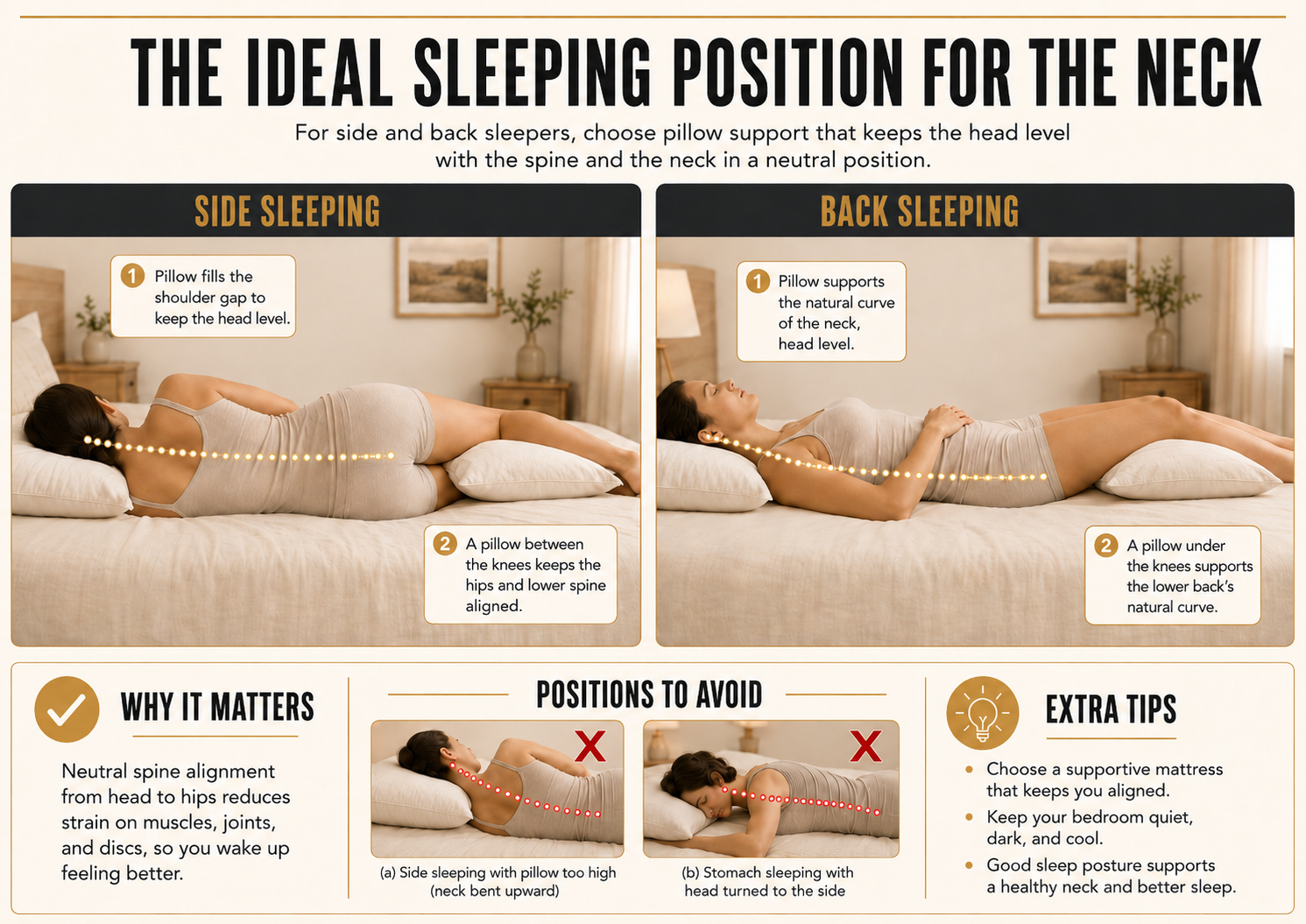
Neck Pain and Sleep: Pillows, Positions, and the Pain Cycle
Neck pain and poor sleep feed each other: pain makes it harder to sleep, and bad sleep makes pain worse the next day. Learn how your pillow and sleep position actually affect your neck, what to look for when choosing support, how to break the cycle of pain and restless nights, and why better sleep is one of the most underrated tools for recovery.

Tech Neck: What the Evidence Actually Says About Posture and Pain
You have probably been told that looking down at your phone is wrecking your neck, but the evidence linking posture to pain is more complicated than the headlines suggest. Learn what research actually shows about screen time, head position, and discomfort, why posture alone rarely tells the whole story, and what genuinely helps your neck feel and function better, beyond simply sitting up straight.
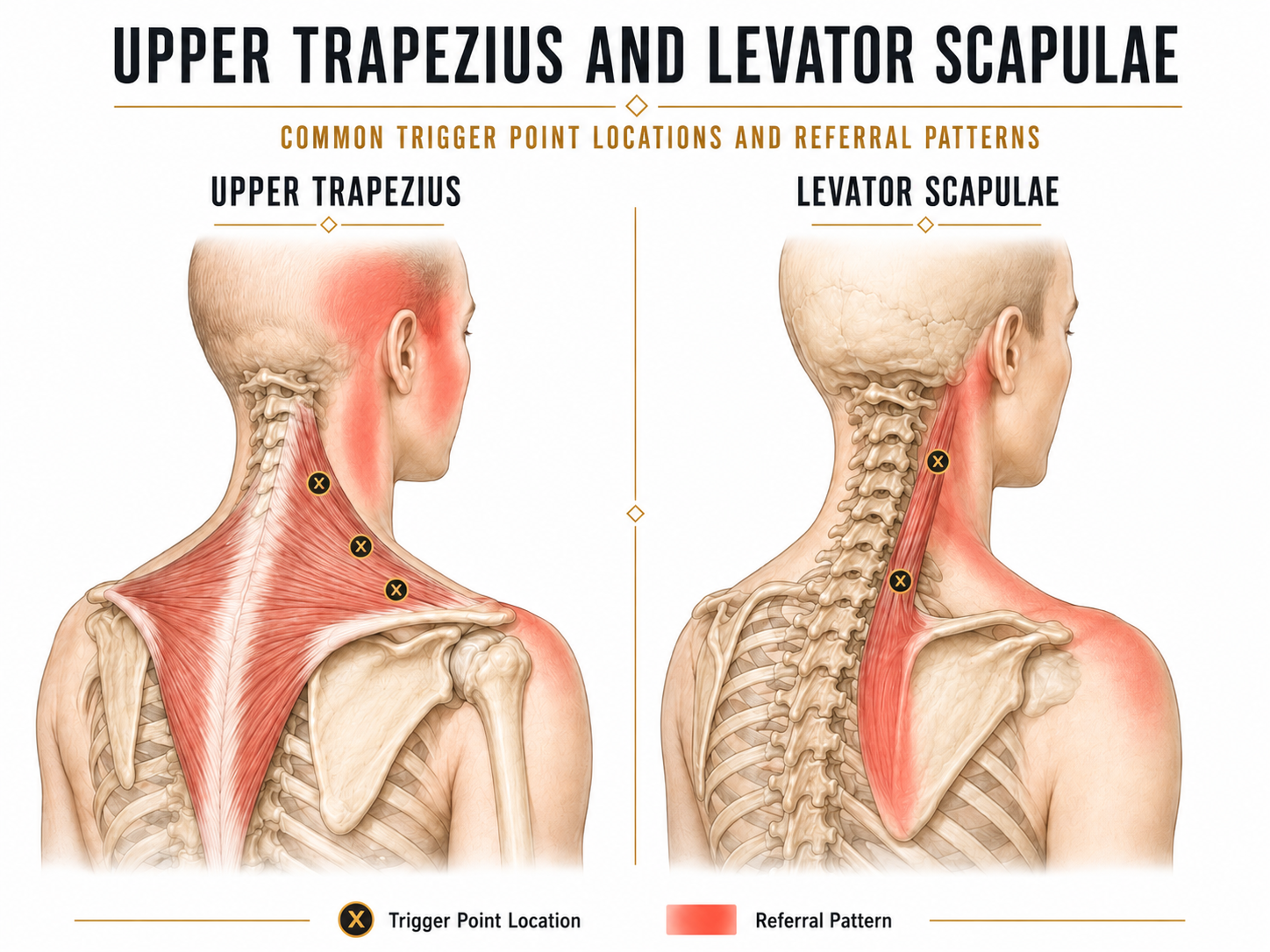
Myofascial Pain and Trigger Points: The Knots in Your Neck
Myofascial pain comes from tight bands of muscle and the tender trigger points, the knots, that form within them, and it is one of the most common and most overlooked sources of neck pain. Learn what trigger points actually are, why they refer pain to other areas, what causes them to develop, and which treatment approaches genuinely release them and keep them from coming back.
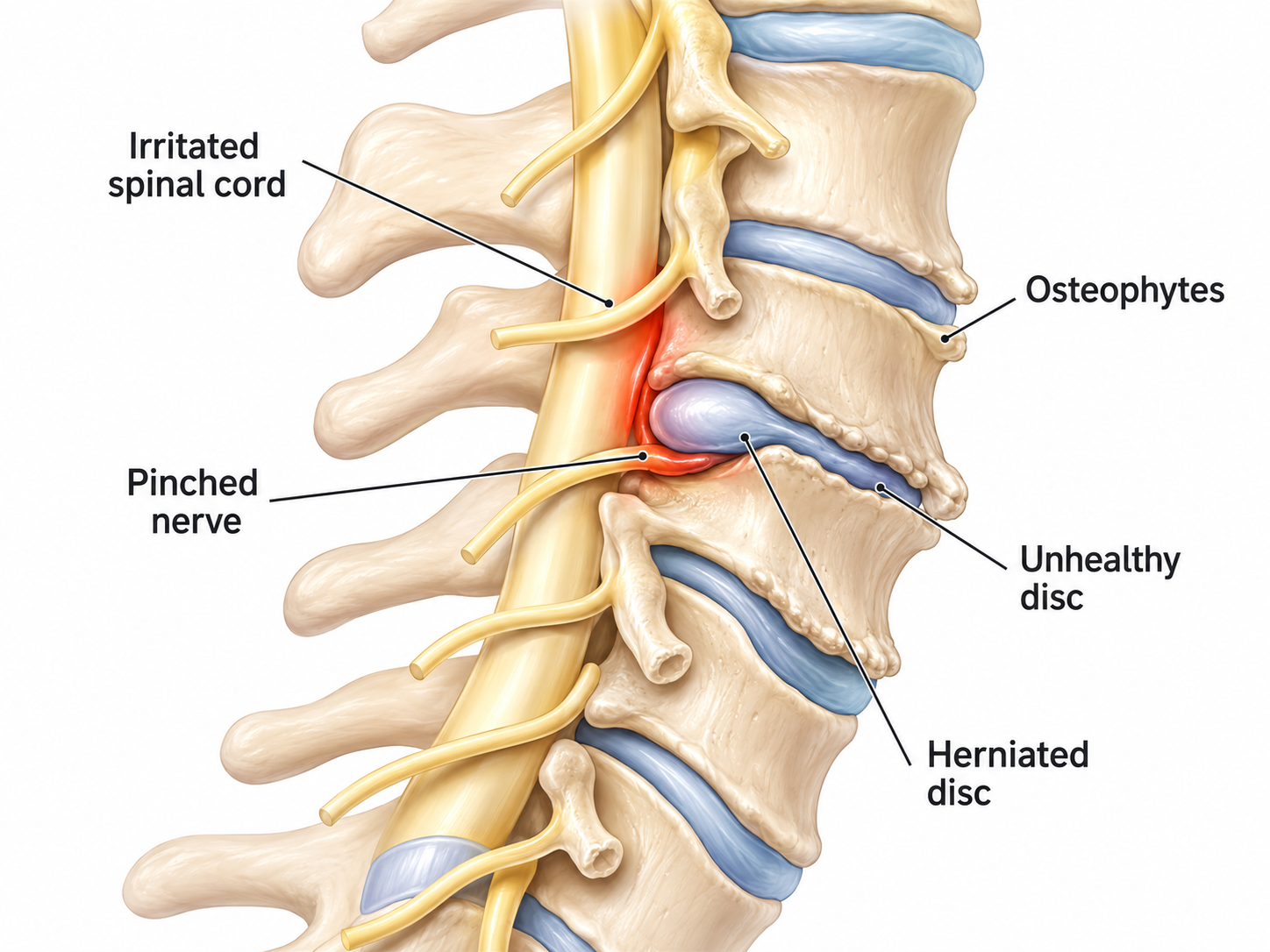
Cervical Radiculopathy: When Neck Pain Travels Down the Arm
Cervical radiculopathy is what happens when a nerve in the neck becomes compressed or irritated, sending pain, numbness, tingling, or weakness down into the shoulder, arm, or hand. Learn what causes that nerve to become pinched, how the condition is diagnosed, why most cases improve without surgery, and what treatment approaches give you the best chance of calming the nerve and restoring normal function.
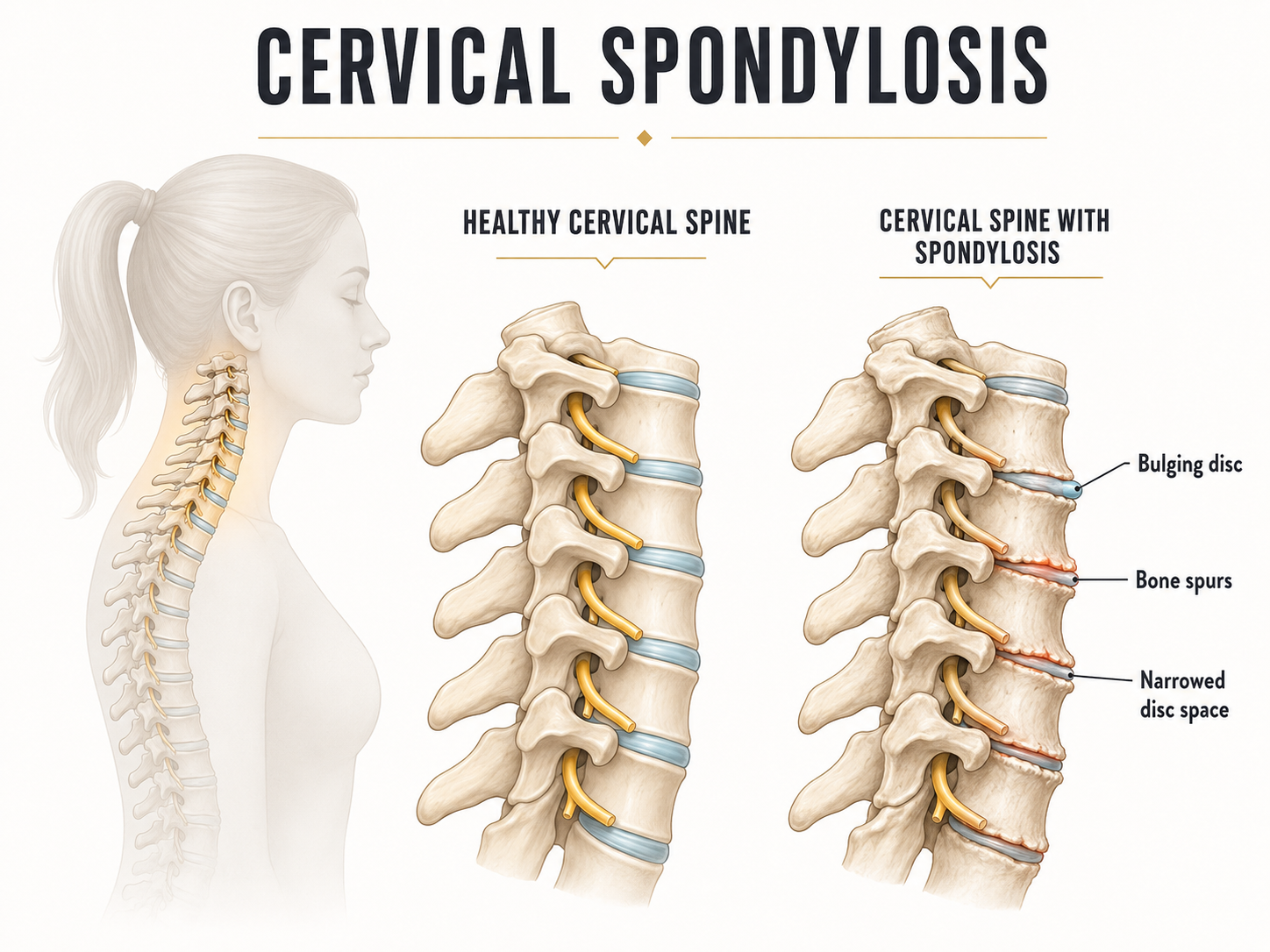
Cervical Spondylosis: Understanding the Aging Neck
Cervical spondylosis is the age-related wear of the discs, joints, and bones of the neck, and it is far more common than most people realize. Learn what these changes actually mean, why they often show up on imaging without causing pain, how to tell ordinary aging from a problem that needs attention, and what you can do to keep your neck mobile, strong, and comfortable as you get older.
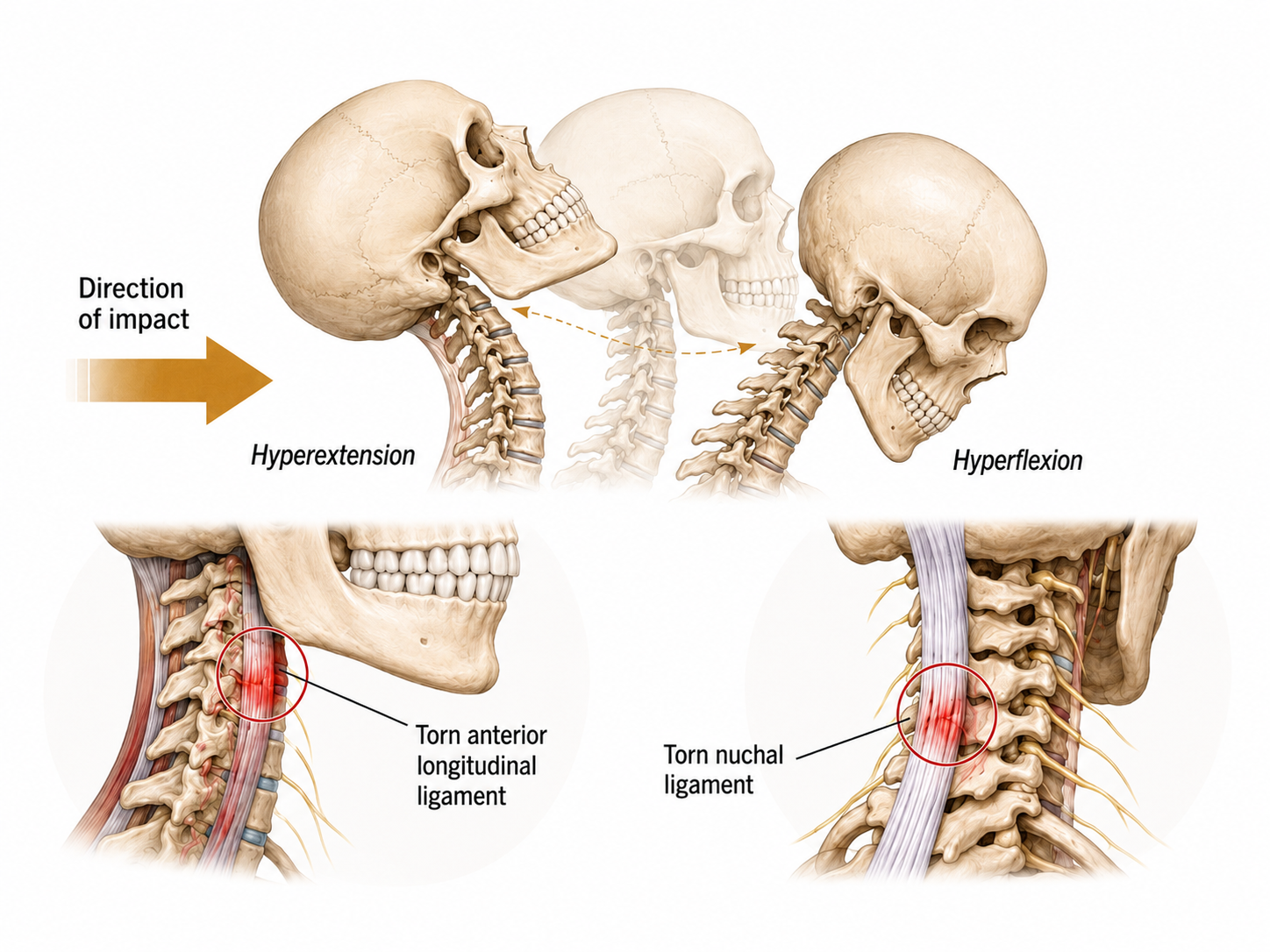
Whiplash and Whiplash Associated Disorder (WAD)
Whiplash and whiplash associated disorder (WAD) are often treated as minor, but the symptoms can range from short-lived neck stiffness to lasting pain and disability. Learn the difference between the injury mechanism and the disorder it triggers, how WAD is graded and assessed, why some people recover quickly while others don't, and what gives you the best odds of a full recovery.

Why Is Neck Pain Such a Pain in the Neck?
Neck pain is common, but it is rarely simple. Learn what causes it, how to recognize the main types, when symptoms need prompt attention, and how movement, targeted exercise, hands-on care, sleep, and stress management can support recovery.
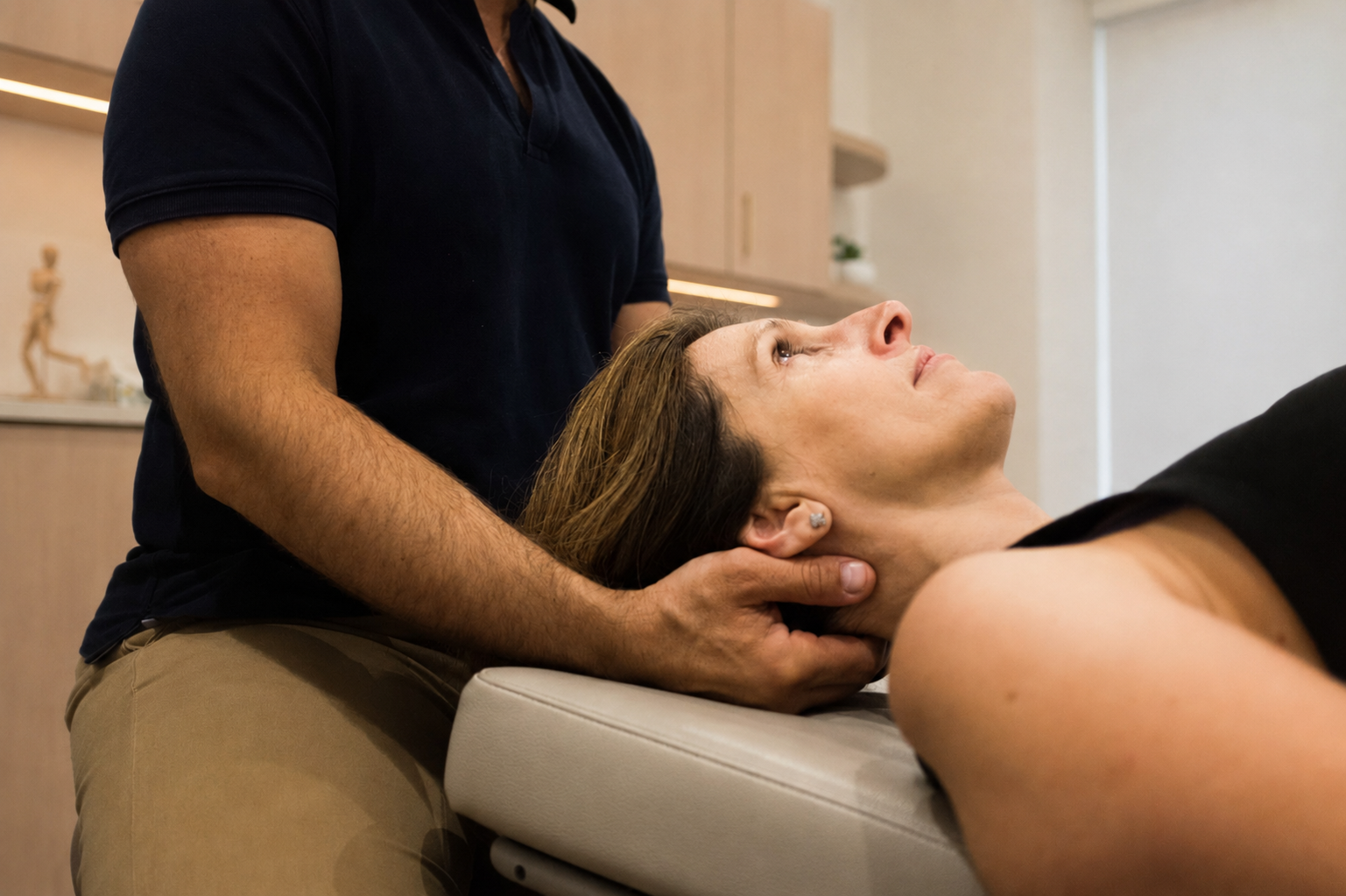
Mechanical Neck Pain: The Most Common Neck Pain, Explained
Mechanical neck pain is the most common type of neck pain, the everyday stiffness and ache that comes from the joints, muscles, and ligaments of the neck rather than from a serious underlying disease. Learn what actually causes it, why it often flares without a clear injury, how it is assessed, and which treatment and self-care approaches give you the fastest path back to comfortable, normal movement.