
Instrument Assisted Soft Tissue Therapy
Precision Treatment for Stubborn Soft-Tissue Pain
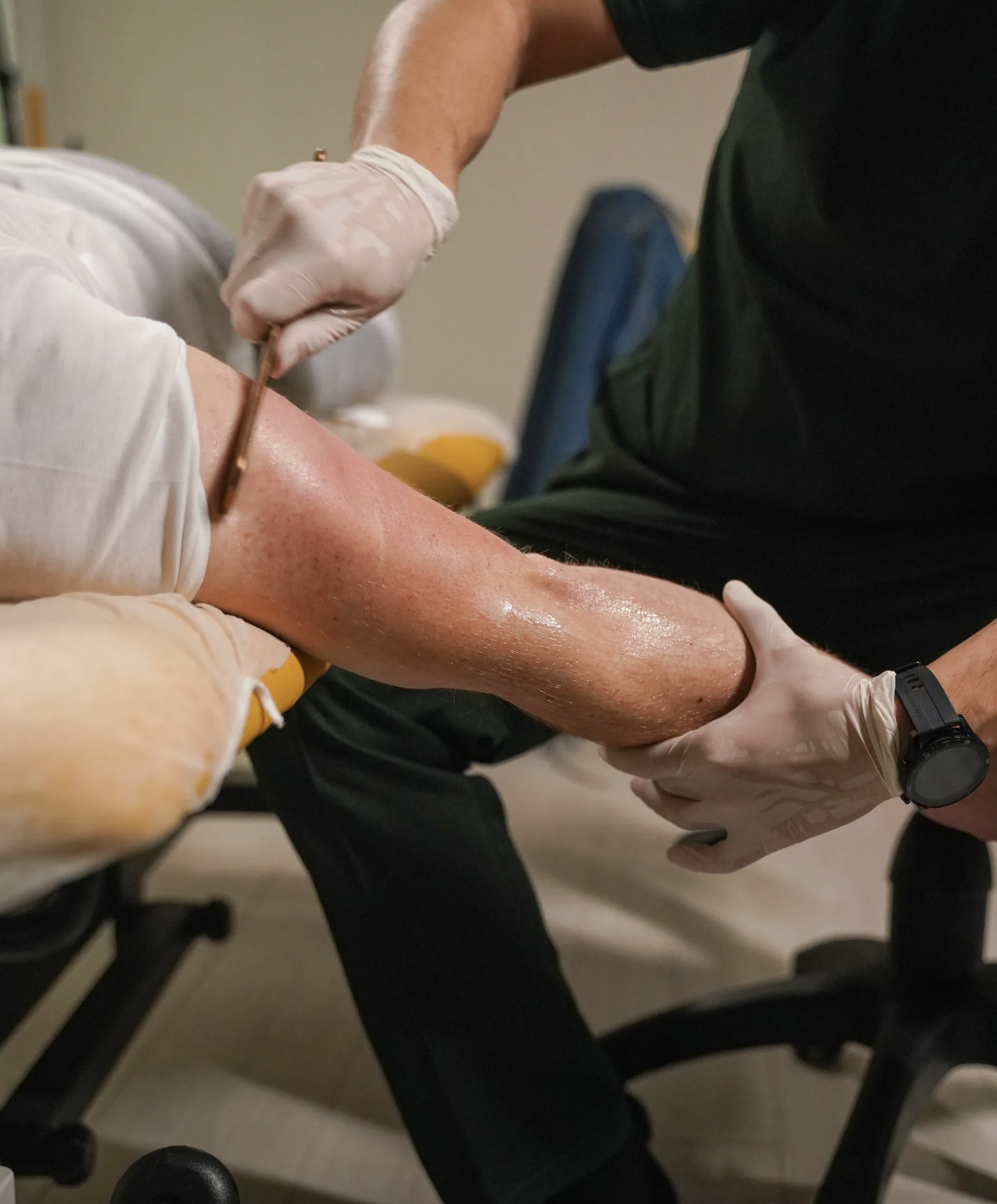
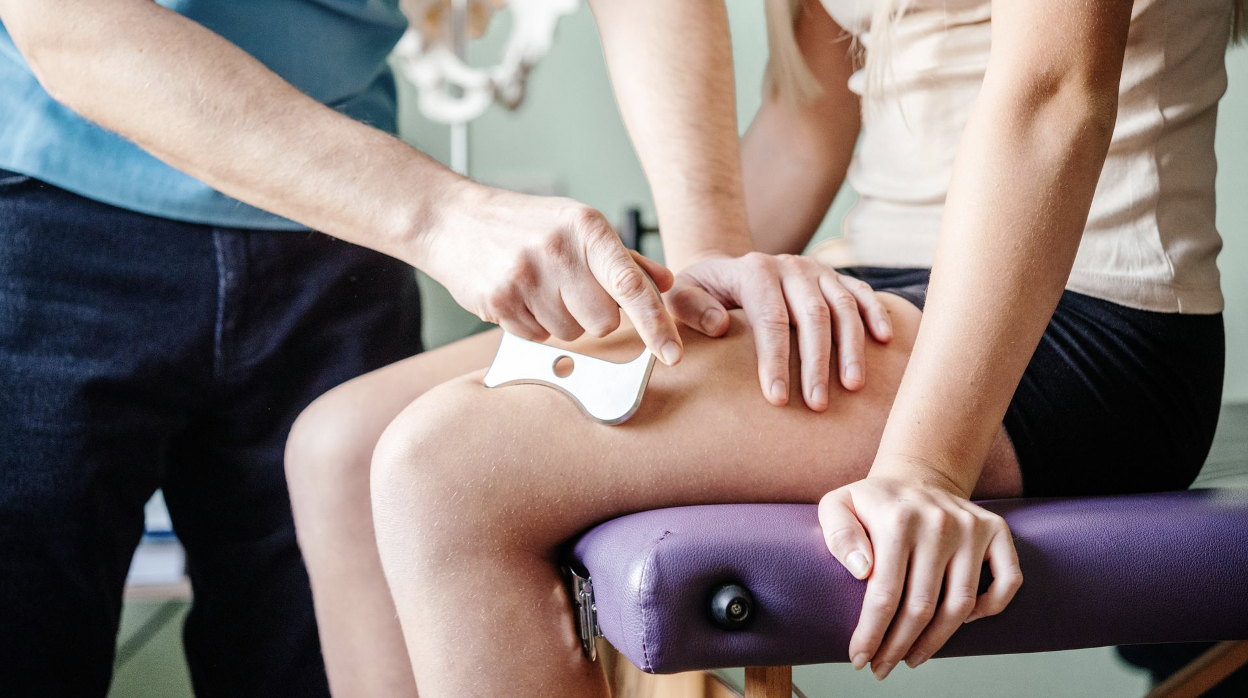
Instrument Assisted Soft Tissue Therapy (IASTM) is a targeted manual therapy approach that uses specialized tools to assess and treat dysfunctional soft tissue. By improving tissue glide, circulation, and neuromuscular feedback, IASTM helps restore movement quality, reduce pain, and accelerate recovery especially when progress has plateaued with conventional care.
This therapy is integrated into individualized treatment plans, not applied in isolation, ensuring that tissue change translates into lasting functional improvement.
What Instrument Assisted Soft Tissue Therapy Addresses
IASTM is designed to address soft-tissue dysfunction that contributes to pain, stiffness, and impaired movement. It is particularly effective for tissues that have adapted poorly to injury, repetitive strain, or prolonged postural stress.
This therapy is commonly used when manual hands-only techniques are insufficient to identify or resolve deeper or more persistent restrictions.
Commonly Addressed Concerns Include:
Chronic muscle tightness and restricted range of motion
Tendinopathies and repetitive strain injuries
Scar tissue and post-surgical adhesions
Myofascial restrictions affecting joint mechanics
Sport-related soft-tissue injuries
Ongoing discomfort despite rest or exercise
Cervical Sprain/Strain (Neck Pain)
Lumbar Sprain/Strain (Back Pain)
Carpal Tunnel Syndrome (Wrist Pain)
Medial Epicondylitis (Golfers Elbow)
Lateral Epicondylitis (Tennis Elbow)
Rotator Cuff Tendinitis (Shoulder Pain)
Plantar Fasciitis (Foot and Heel Pain)
Patellofemoral Pain Disorders (Knee Pain)
Patellar Tendinitis (Jumper's Knee)
Heel Pain / Achilles Tendinitis
Shin Splints
Post-Surgical and Traumatic Scars
Myofascial Pain and Restrictions
Musculoskeletal Imbalances
How IASTM Works and Beyond Surface-Level Treatment
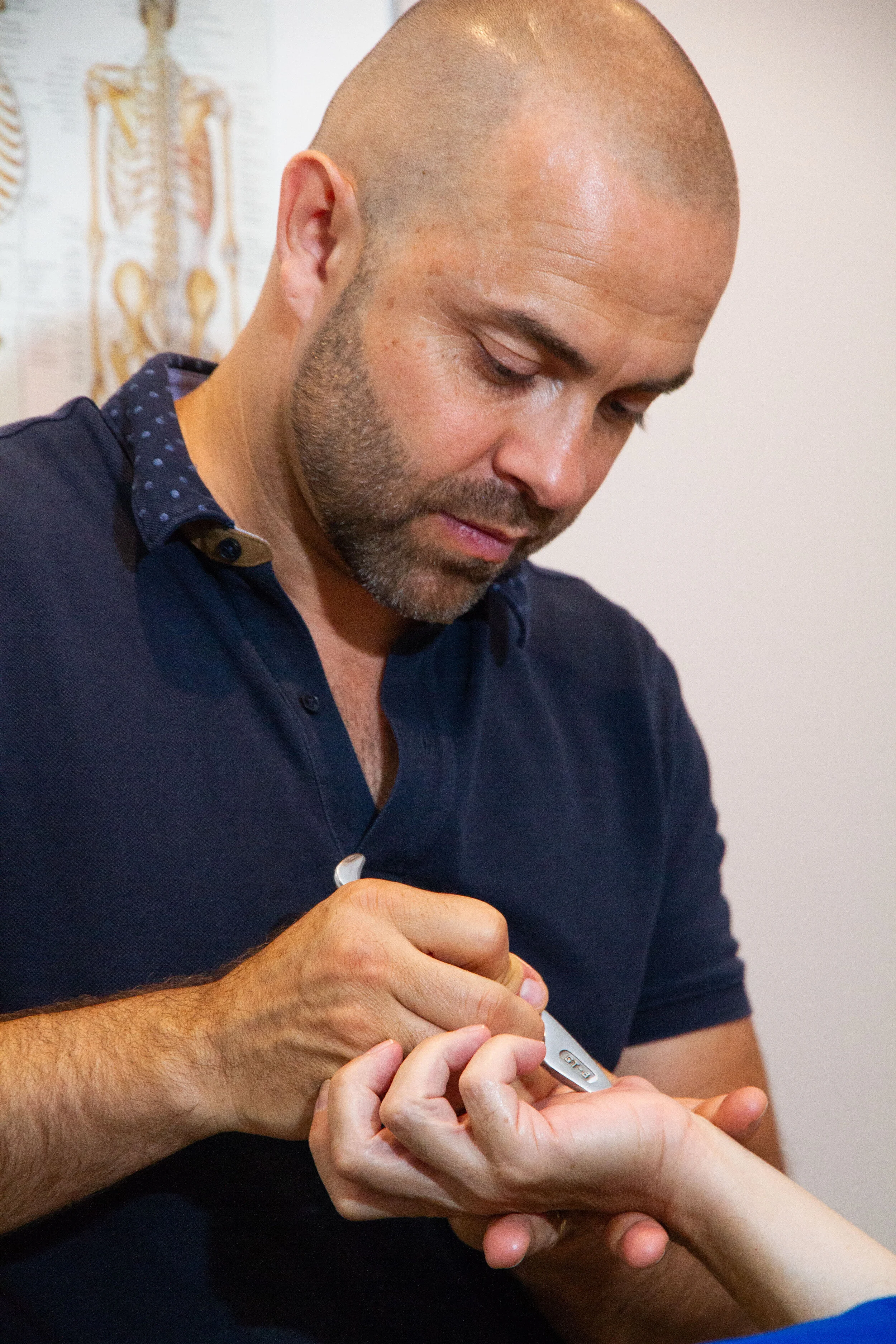
IASTM works by providing controlled mechanical input to soft tissue using ergonomically designed instruments. This input enhances tactile feedback for the clinician while stimulating local tissue responses that support healing and remodelling.
Rather than forcefully breaking tissue, the goal is to improve tissue quality, sensory awareness, and load tolerance. The instruments allow for precise detection of restrictions and more consistent pressure than hands alone, particularly in deeper or denser tissue regions.
Treatment intensity is adjusted based on tissue response, stage of healing, and individual tolerance.
What to Expect During Treatment
IASTM sessions are brief, purposeful, and integrated into a broader treatment visit. After assessment, the therapy is applied to targeted areas for a short duration, often followed by movement, mobility, or neuromuscular re-education.
Patients may experience:
Mild to moderate discomfort during treatment
Temporary redness or warmth in the treated area
A sensation of increased mobility immediately after care
These responses are normal and typically short-lived. Treatment parameters are always adapted to ensure safety and clinical relevance.
Integrated Care for Long-Term Results
Instrument Assisted Soft Tissue Therapy is most effective when combined with corrective movement, strength, and load management strategies. Tissue change without movement retraining rarely holds.
At ONE80 Health, IASTM is used to create opportunity, improved mobility, reduced pain, better tissue tolerance which is then reinforced through active care. This ensures improvements are not only felt, but retained.
Is IASTM Right for You?
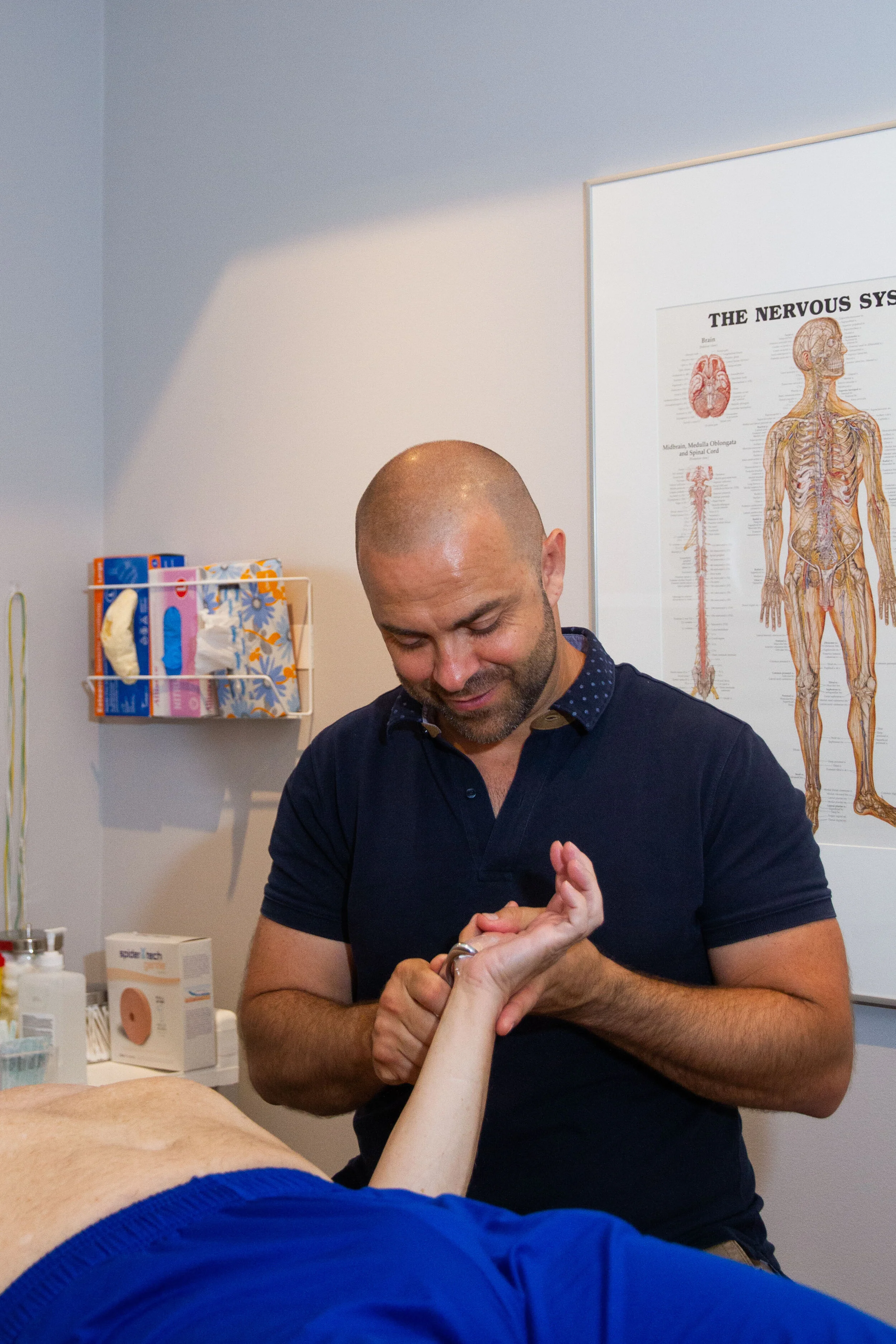
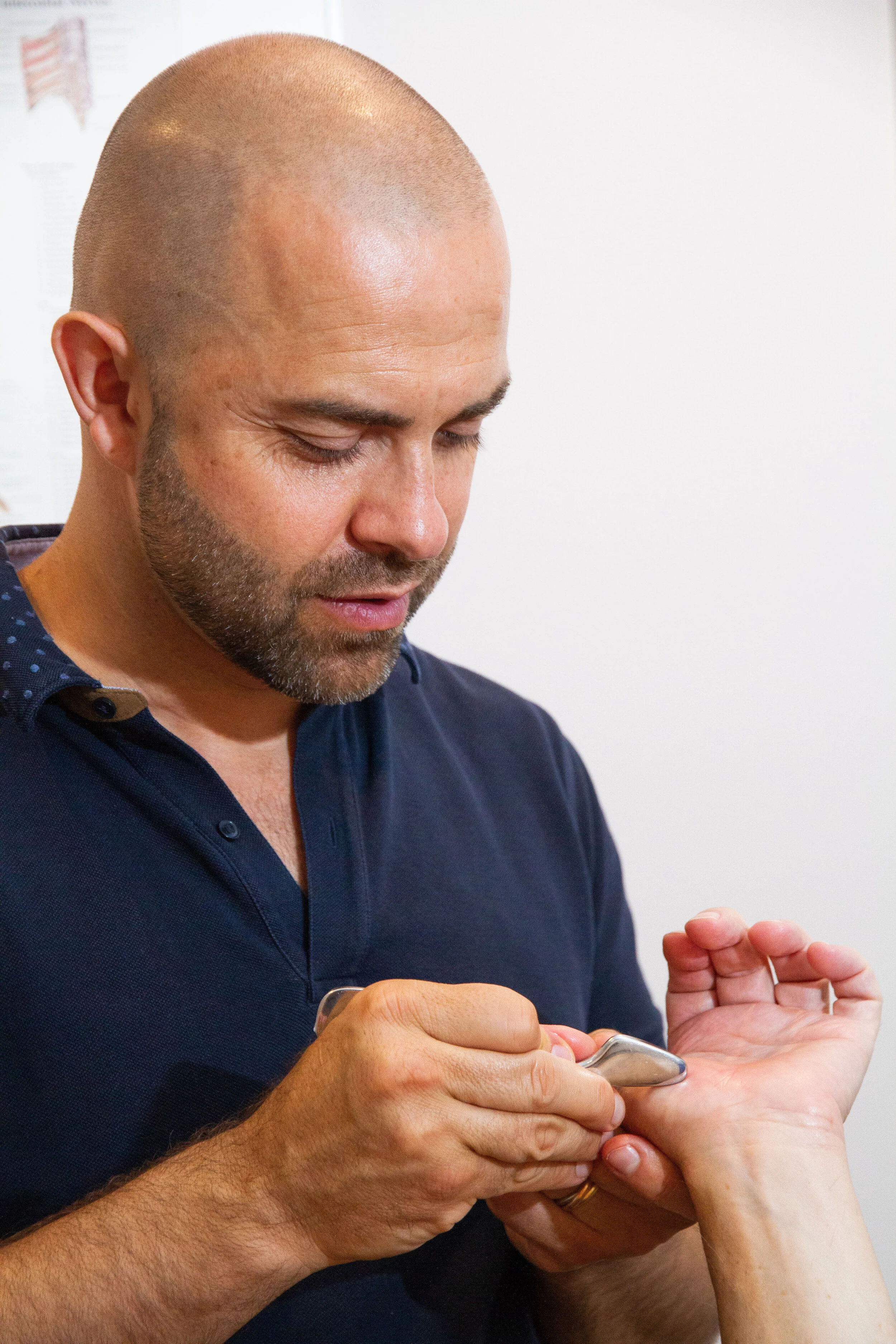
IASTM may be appropriate if you are experiencing persistent soft-tissue discomfort, limited mobility, or recurring injury patterns that have not fully resolved. A comprehensive assessment will determine whether this therapy is suitable for your condition and how it fits within your overall care plan. Book an assessment to determine whether Instrument Assisted Soft Tissue Therapy is appropriate for your condition and goals.
FAQs
-
Faster rehabilitation
Faster recovery from injury
Reduced need for anti-inflammatory medication
Restoration of range of motion and movement
Relief from chronic conditions
-
-
Compromised tissue integrity such as open wounds, infections, or tumors
Patients with active implants like pacemakers, internal defibrillators, or PICC/pump lines
Presence of Deep Vein Thrombosis (DVT)
Cervical carotid sinus
-
Temporary redness or mild soreness in the treated area is common and typically resolves within 24–48 hours. Bruising is uncommon and not a goal of treatment. Therapy intensity and duration are selected to support tissue recovery, not overwhelm it.
-
The number of sessions varies depending on the condition being treated, tissue response, and how well treatment is supported with movement and rehabilitation. Some patients notice improvement after one or two sessions, while others require a short series integrated into a broader care plan for lasting results.
-
IASTM may be appropriate for individuals with chronic muscle tightness, repetitive strain injuries, post-surgical scar tissue, or movement limitations that have not fully responded to conventional care. A thorough assessment is required to determine whether this therapy is suitable and how it fits into your overall treatment strategy.