
SOFT TISSUE THERAPY
Soft Tissue Therapy for Pain Relief, Mobility, and Recovery

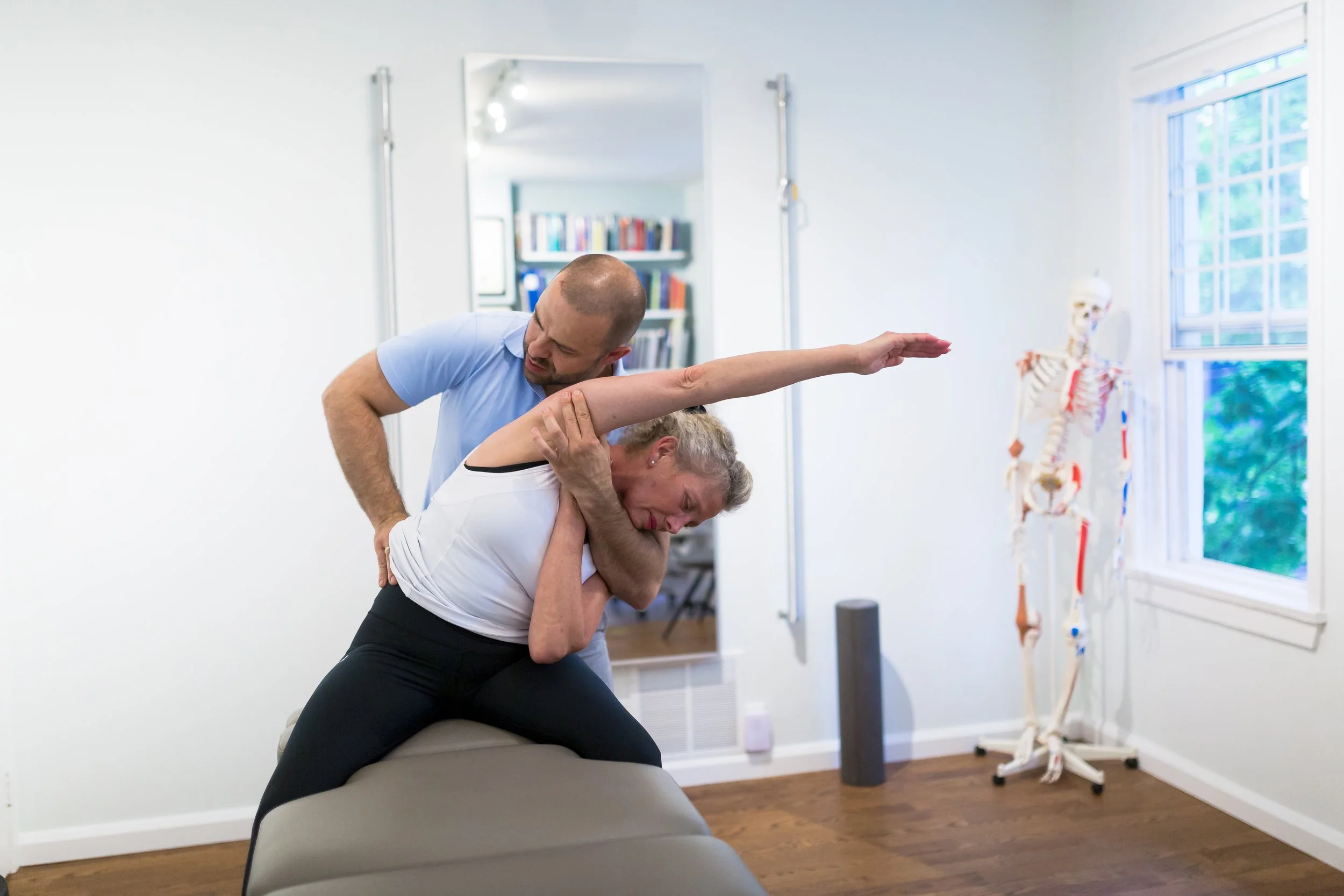
Soft Tissue Therapy focuses on assessing and treating muscles, fascia, tendons, and connective tissue that contribute to pain, restriction, and movement dysfunction. Treatment is individualized and clinically driven, addressing both symptoms and the underlying tissue stressors that limit recovery.
This approach is used to support injury recovery, reduce chronic tension, and improve how the body tolerates daily and athletic demands.
Conditions and Complaints We Commonly Address
Soft tissue dysfunction often develops from repetitive strain, postural stress, previous injury, or compensatory movement patterns. When untreated, these tissues lose elasticity, circulation, and load tolerance contributing to pain and restricted movement.
Soft Tissue Therapy may be appropriate for individuals experiencing:
Muscle tightness, knots, or trigger points
Chronic neck, shoulder, and back tension
Tendinopathies and overuse injuries
Sports-related strains and recovery limitations
Postural-related discomfort from prolonged sitting or standing
Residual stiffness following injury or surgery
Reduced mobility affecting exercise or daily activities
A Targeted, Assessment-Driven Approach
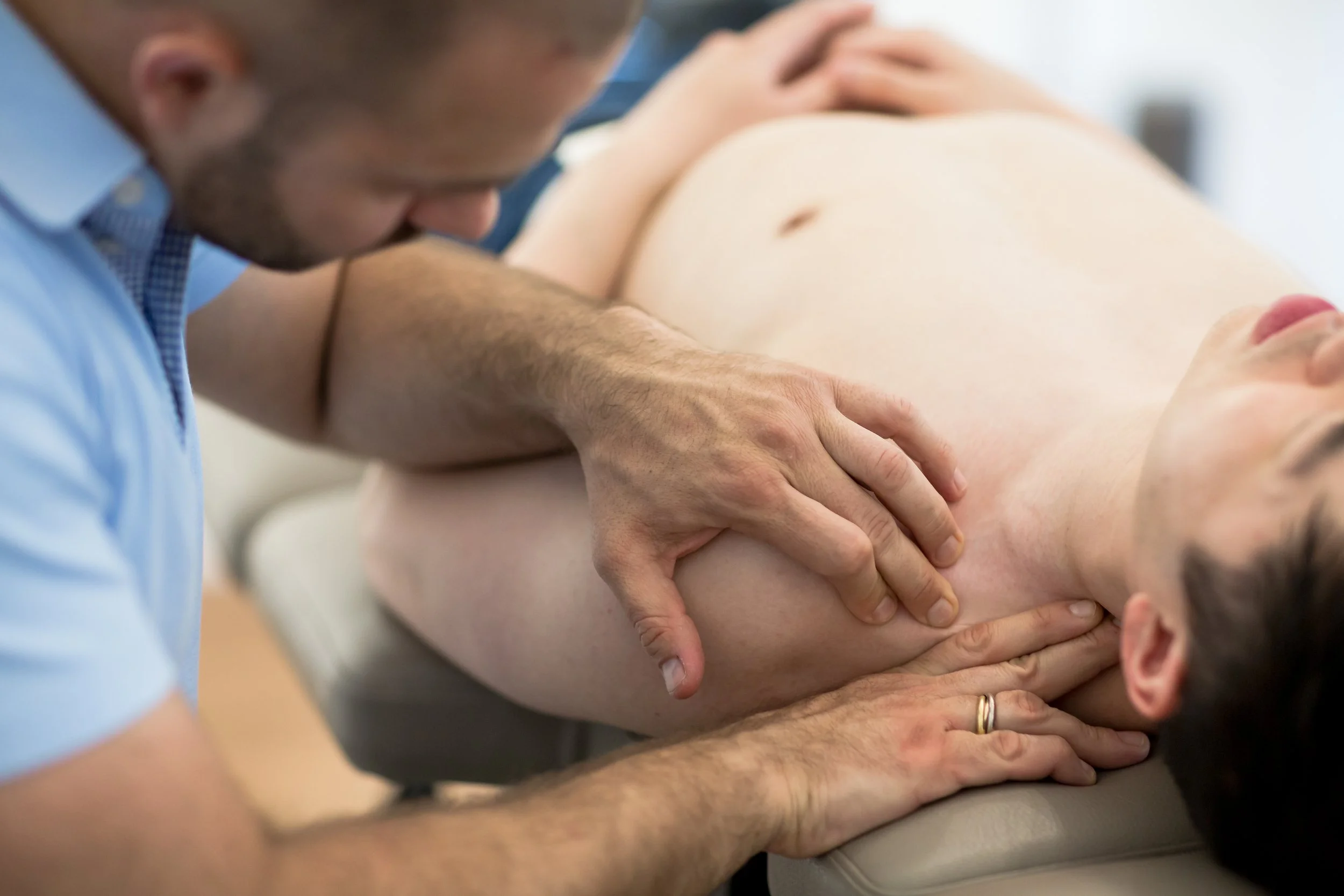
Soft Tissue Therapy at ONE80 Health is not a standardized routine. Each session begins with assessment evaluating movement, tissue quality, and mechanical stress patterns that contribute to symptoms.
Treatment is guided by clinical findings and may focus on:
Improving tissue extensibility and glide
Reducing abnormal tone and protective guarding
Supporting circulation and metabolic recovery
Restoring movement efficiency and load tolerance
Care is adapted over time as tissue response and functional capacity improve, rather than applying the same techniques at every visit.
Manual and Instrument-Assisted Techniques
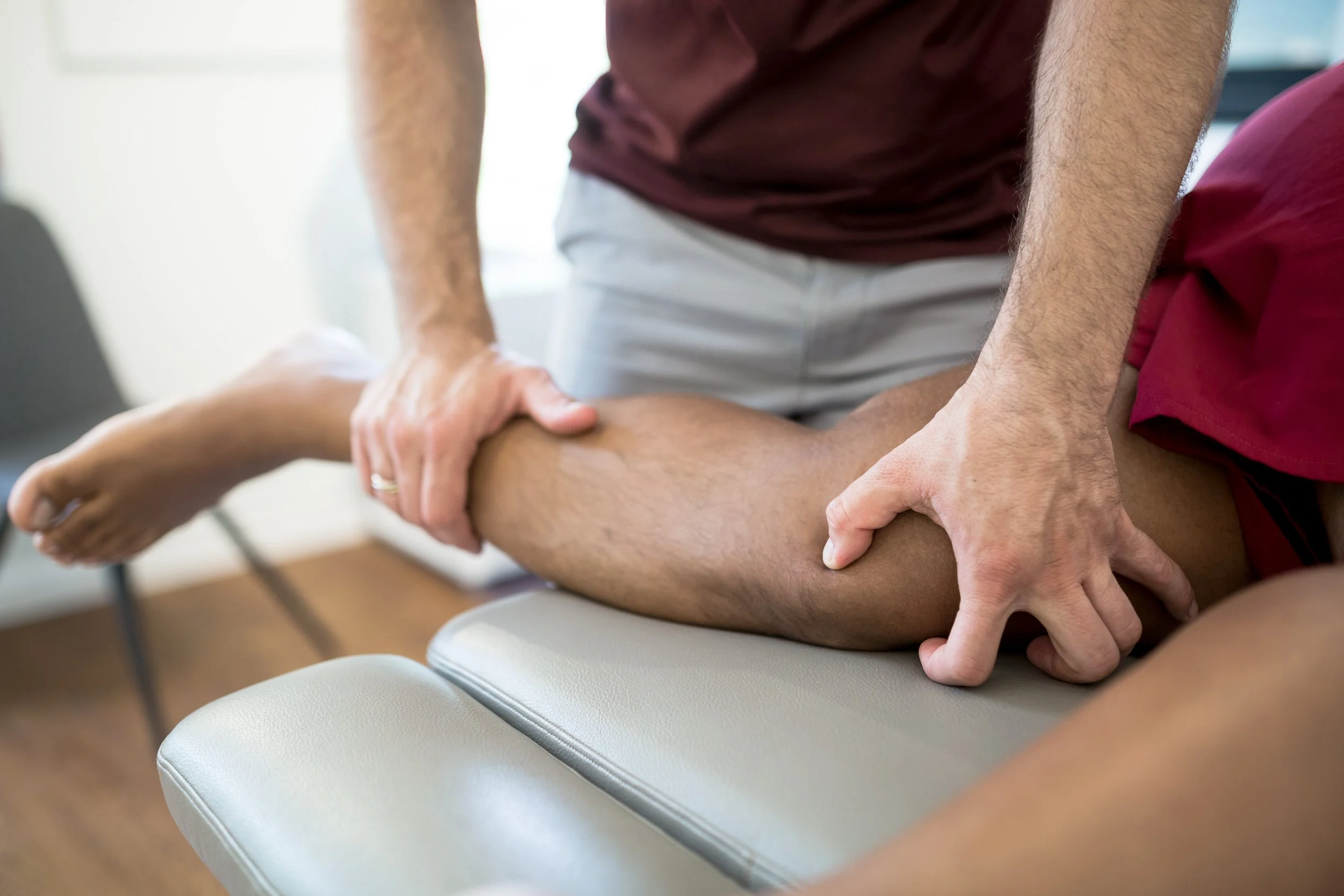
Depending on the clinical presentation, Soft Tissue Therapy may involve a combination of manual and instrument-assisted methods designed to influence tissue tone, mobility, and neuromuscular coordination.
Techniques may include:
Myofascial release techniques
Trigger point and deep tissue methods
Instrument-assisted soft tissue mobilization (IASTM)
Fascial distortion-based approaches
Neuromuscular techniques for tone regulation
Technique selection is based on tissue response and patient tolerance, not force or intensity for its own sake.
What Your Visit Looks Like
Soft Tissue Therapy sessions are structured, focused, and clinically guided.
During your visit, you can expect:
A brief reassessment to track progress and tissue response
Targeted treatment of involved tissues
Adjustments to pressure and technique based on comfort and response
Integration with movement or corrective strategies when appropriate
Some post-treatment soreness can occur, particularly when addressing chronically restricted tissue, but this is typically short-lived and followed by improved movement and reduced tension.
Who Soft Tissue Therapy Is For
Soft Tissue Therapy is appropriate for a wide range of individuals, from highly active patients to those managing persistent tension or discomfort.
This service is commonly used by:
Office professionals with postural strain
Athletes and recreational exercisers
Individuals recovering from injury or surgery
Patients with chronic muscle tension or movement restriction
Those seeking improved mobility and recovery capacity
Treatment is tailored to current ability, goals, and tissue tolerance rather than fitness level or pain severity alone.
Part of a Broader Recovery and Performance Strategy
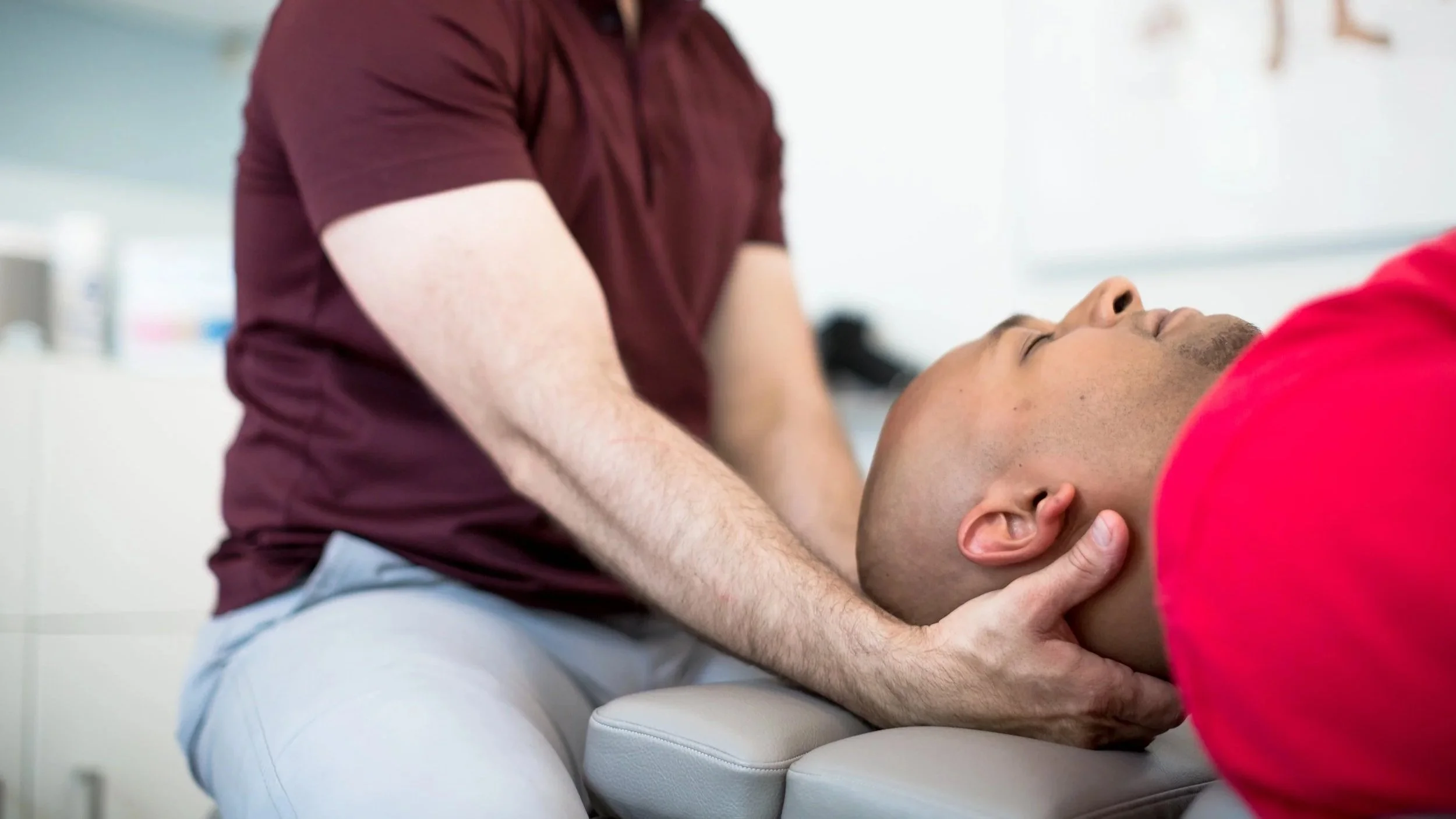
Soft Tissue Therapy is often most effective when integrated into a comprehensive care plan that addresses movement habits, recovery strategies, and physical demands.
Our team works collaboratively to ensure care supports both short-term symptom relief and long-term tissue resilience.
FAQs
-
-
Soft Tissue Therapy is a clinically directed treatment focused on assessing and addressing dysfunction in muscles, fascia, and connective tissue that contribute to pain and movement restriction. While it may involve hands-on techniques, it differs from relaxation-based massage by being assessment-driven, goal-oriented, and integrated into a broader care plan.
-
Treatment intensity is adjusted based on tissue response and individual tolerance. Some techniques may create temporary discomfort, particularly in areas of chronic tension or restriction, but treatment is never intended to be aggressive or excessive. Most patients describe the sensation as therapeutic rather than painful.
-
The number of sessions varies depending on the nature of the condition, tissue response, activity level, and overall goals. Some individuals notice improvement after a small number of visits, while others with longer-standing issues may benefit from a short series of treatments as part of a structured care plan.
-
Soft Tissue Therapy is often used alongside other services to support movement quality, recovery, and long-term tissue health. When appropriate, care may be coordinated with other therapies to ensure treatment is comprehensive, efficient, and aligned with individual goals.