
OSTEOPATHIC MANIPULATIVE THERAPY
Osteopathic Manipulative Therapy for Whole-Body Function and Resilient Movement
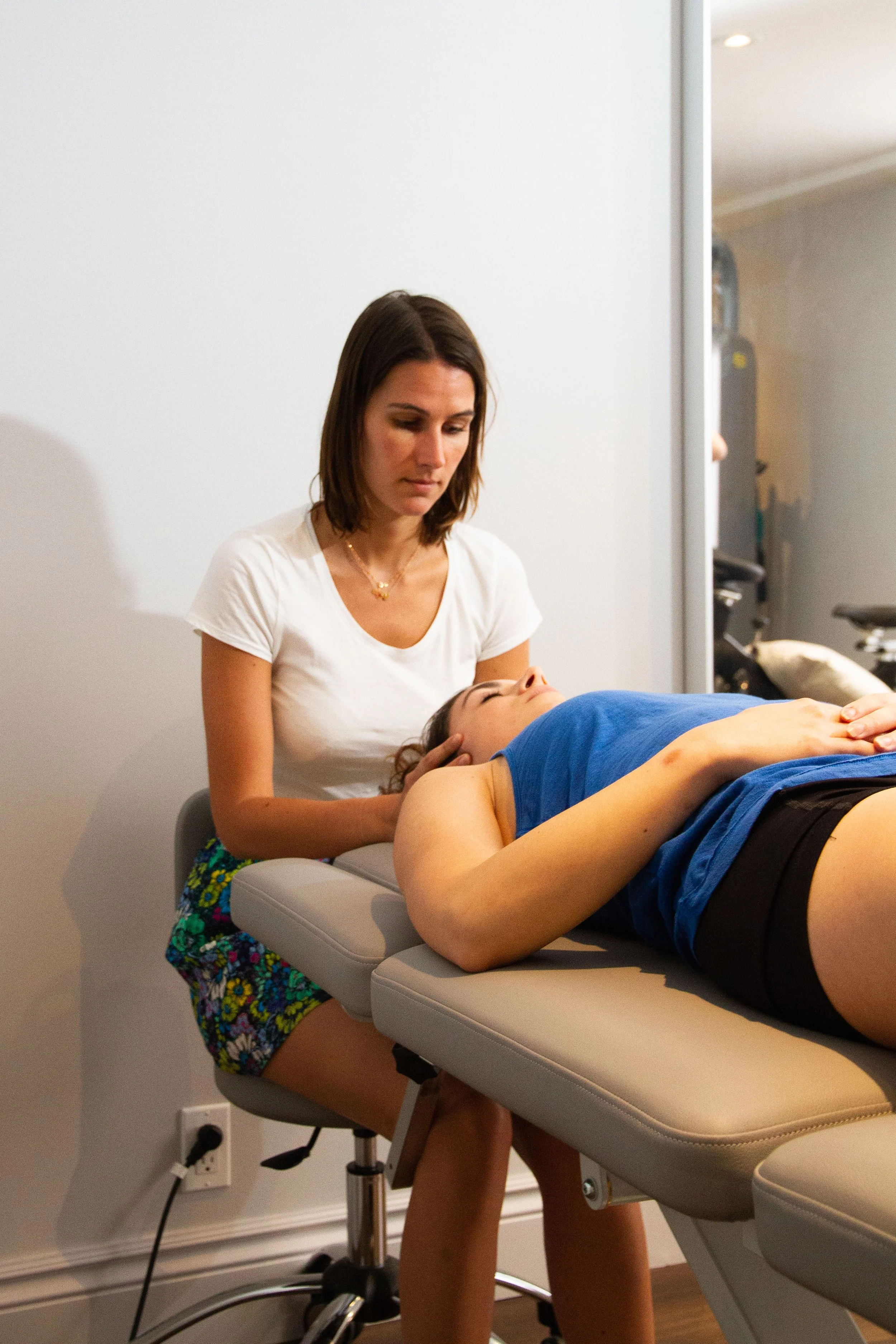
Osteopathic Manipulative Therapy (OMT) is a gentle, precise, hands-on treatment focused on restoring motion between joints, muscles, fascia, and internal structures. By addressing mechanical restrictions and neurological tension patterns, OMT helps improve circulation, breathing mechanics, posture, and overall physical resilience.
At ONE80 Health, osteopathic care is fully integrated into your broader treatment plan never isolated, never generic, and always matched to how your body is actually functioning.
What Osteopathic Care Helps With
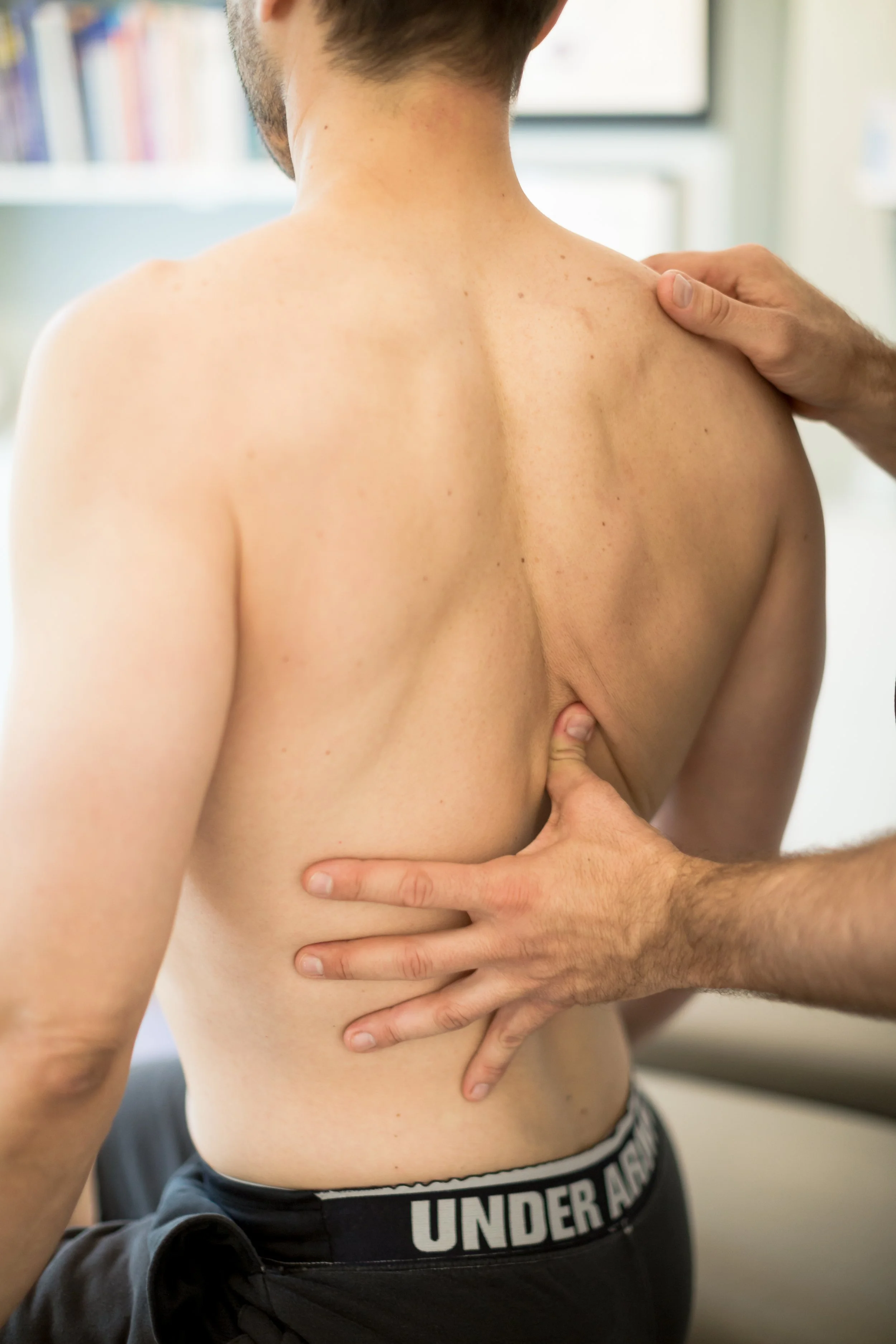
OMT is designed to identify and reduce restrictions that interfere with efficient movement, circulation, and nervous system regulation. Care is tailored based on how different regions of the body influence one another, rather than focusing on symptoms in isolation.
Osteopathic care is commonly incorporated for individuals experiencing:
Persistent muscle tension or stiffness
Postural strain and repetitive stress injuries
Reduced joint mobility or asymmetry
Headaches, jaw tension, or neck discomfort
Breathing restrictions or rib cage stiffness
Post-injury or post-surgical compensation patterns
Stress-related physical tension and fatigue
Care is always adapted to your comfort level and stage of recovery.
How Osteopathic Manipulative Therapy Works
The body functions as an integrated system. When movement is restricted in one area, strain and compensation develop elsewhere. Osteopathic Manipulative Therapy uses targeted manual techniques to improve tissue mobility, joint mechanics, and neurological communication between regions.
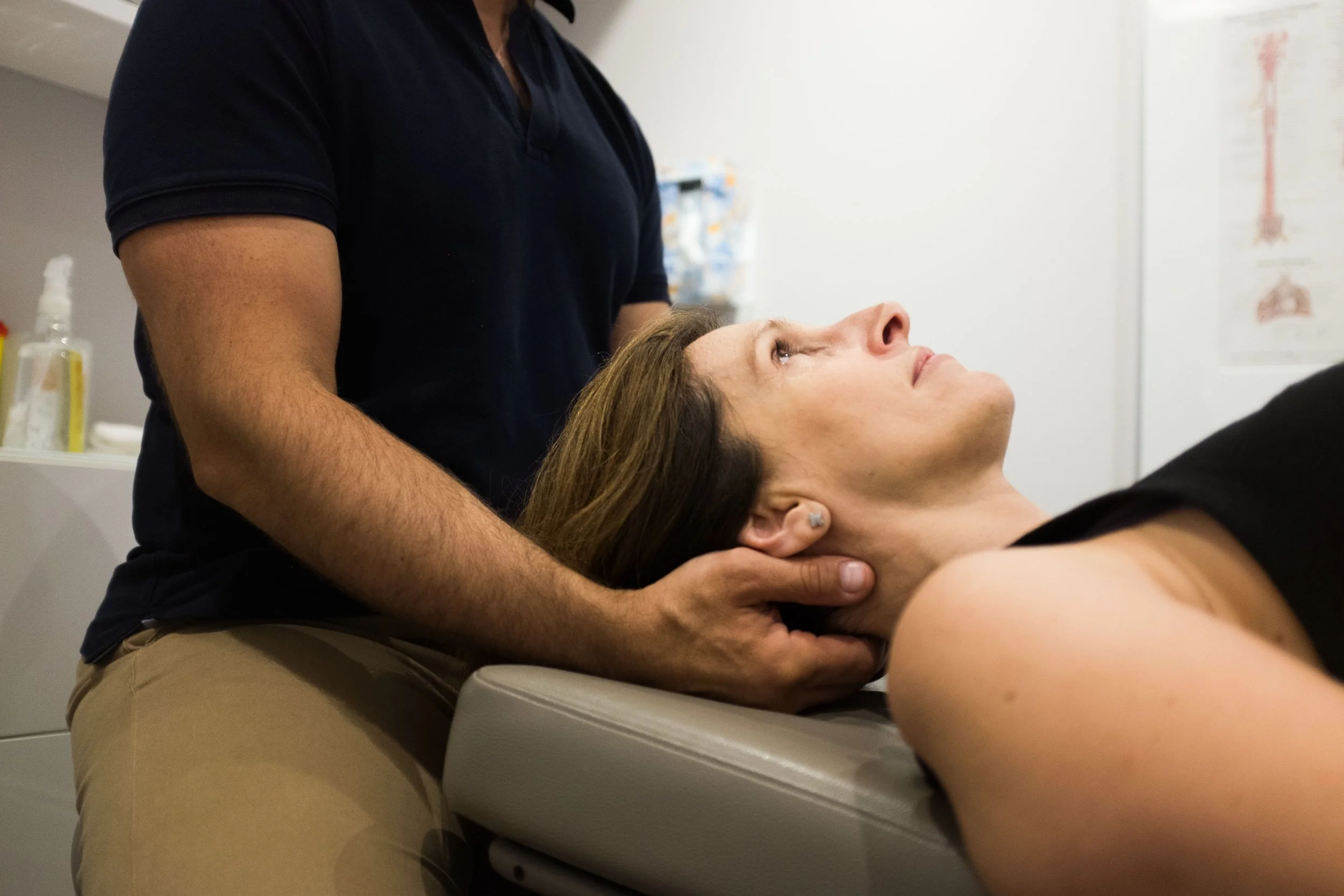
Treatment may involve gentle joint mobilization, soft-tissue techniques, myofascial release, and subtle corrective inputs designed to normalize movement patterns and reduce unnecessary muscular guarding.
Rather than forcing change, OMT works with the body’s natural feedback systems to restore balance and efficiency.
An Integrated, Clinical Approach to Osteopathic Care
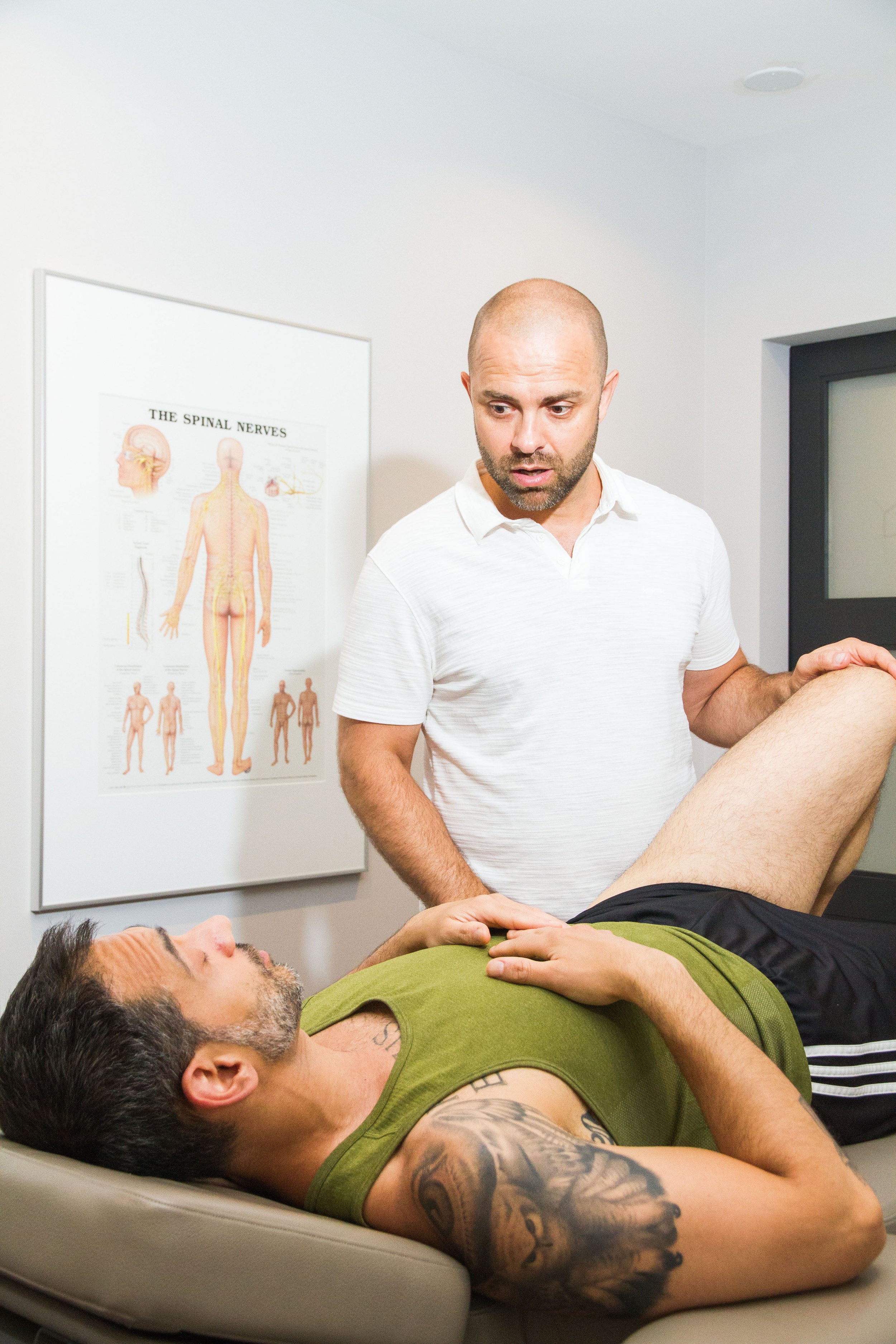
Osteopathic care at ONE80 Health is never delivered in isolation. Every treatment is informed by a comprehensive assessment of movement quality, joint mechanics, tissue health, and nervous system tone.
Your osteopathic treatment may be combined with rehabilitative exercise, soft-tissue therapy, electro-therapeutic modalities, or movement retraining based on what your body actually needs to progress.
This integrated approach allows us to address both the source of restriction and the factors that contribute to its recurrence.
What to Expect During Your Appointment
Your session begins with a detailed assessment of posture, movement patterns, and tissue function. Treatment is then delivered using hands-on techniques tailored to your comfort, health history, and goals.
Osteopathic care is typically gentle and controlled. Many patients report a sense of release, improved mobility, and reduced tension following treatment. Some individuals notice changes in breathing, posture, or overall physical ease as the body adapts.
Treatment frequency and progression are discussed collaboratively and adjusted based on response.
Who Benefits From Osteopathic Care
Osteopathic Manipulative Therapy is appropriate for a wide range of individuals, including those who prefer a gentle, hands-on approach or who require care that respects healing timelines.
This includes:
Active individuals and athletes
Office workers and professionals with postural strain
Individuals recovering from injury or surgery
Those experiencing chronic tension or mobility limitations
People seeking improved movement efficiency and physical balance
Care is adapted to all ages and activity levels.
Book an Osteopathic Manipulative Therapy Appointment
If you are experiencing persistent tension, restricted movement, or feel that your body is compensating rather than functioning efficiently, osteopathic care may be an appropriate part of your treatment plan.
Our team will help determine whether Osteopathic Manipulative Therapy is right for you and how it fits within your overall care strategy.
FAQs
-
-
-
-
OMT is commonly used to address muscle tension, joint stiffness, postural strain, headaches, neck and back discomfort, and movement restrictions following injury or prolonged stress. It is also frequently incorporated into broader care plans to improve movement quality and support long-term physical resilience.
-
Many patients report feeling looser, more mobile, or more relaxed following treatment. Mild soreness or fatigue can occasionally occur as the body adapts, similar to what may be felt after physical activity. Your practitioner will provide guidance on activity levels and next steps based on your response to care.