
Frequency Specific Microcurrent Therapy
Sometimes the body keeps protecting an area long after it has healed.
When this happens, progress stalls, not because the body is damaged, but because it hasn’t settled yet.
Frequency-Specific Microcurrent is used to help the body transition from protection back to recovery.
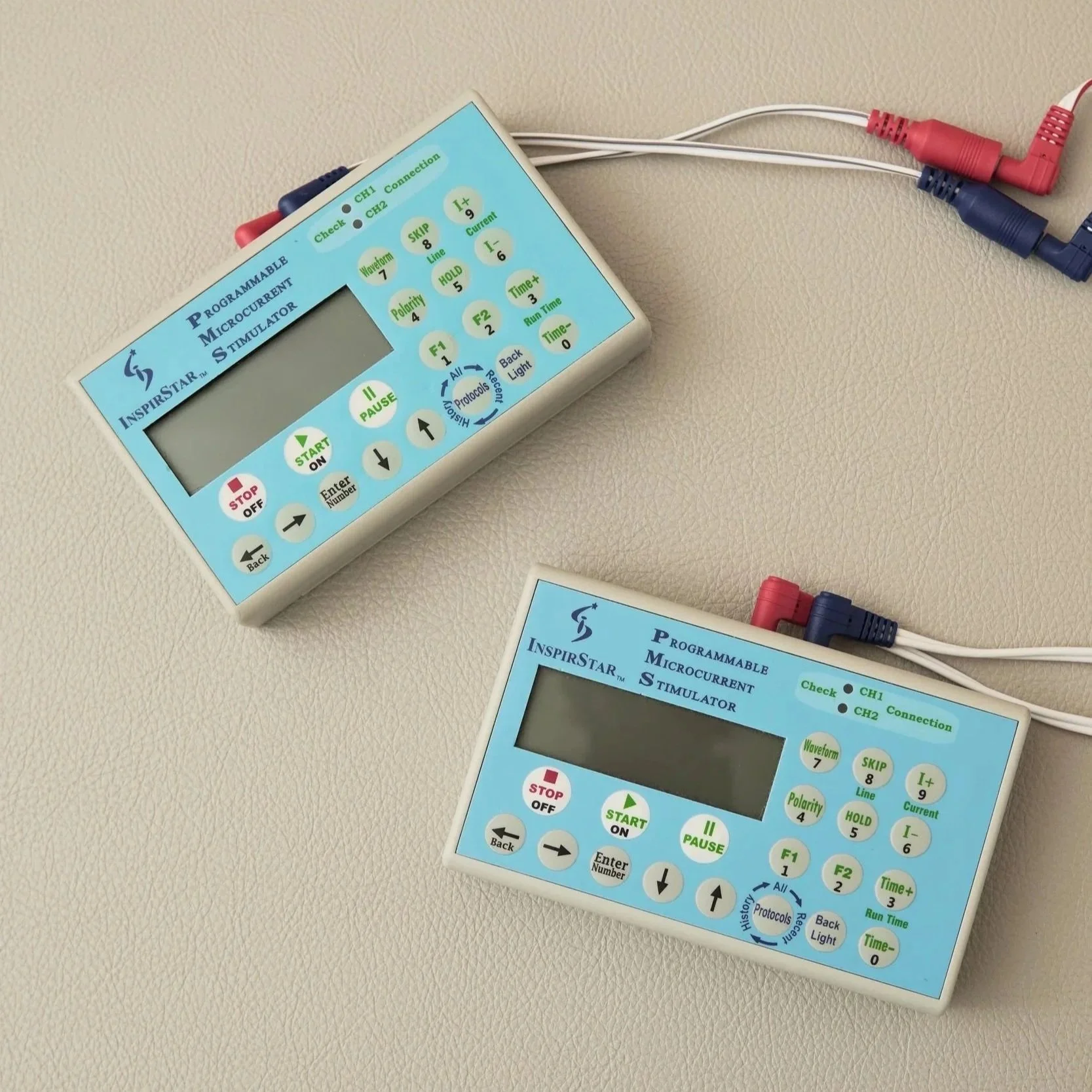
Frequency Specific Microcurrent (FSM) is an advanced, non-invasive therapy that uses extremely low-level electrical currents measured in microamps, to interact with the body’s own bioelectrical systems. Unlike traditional electrical stimulation, FSM works below the sensory threshold, meaning it is often not felt, yet can influence tissue behaviour at a cellular and neurological level.
At ONE80 Health, FSM is used as part of an integrated clinical strategy to support healing, reduce pain, and improve function particularly in complex or persistent conditions where conventional approaches alone may not be enough.
How Frequency Specific Microcurrent Works
The human body operates through electrical signals. Nerves communicate through electrical impulses, muscles contract through electrical activity, and even cellular repair relies on electrical gradients across cell membranes.
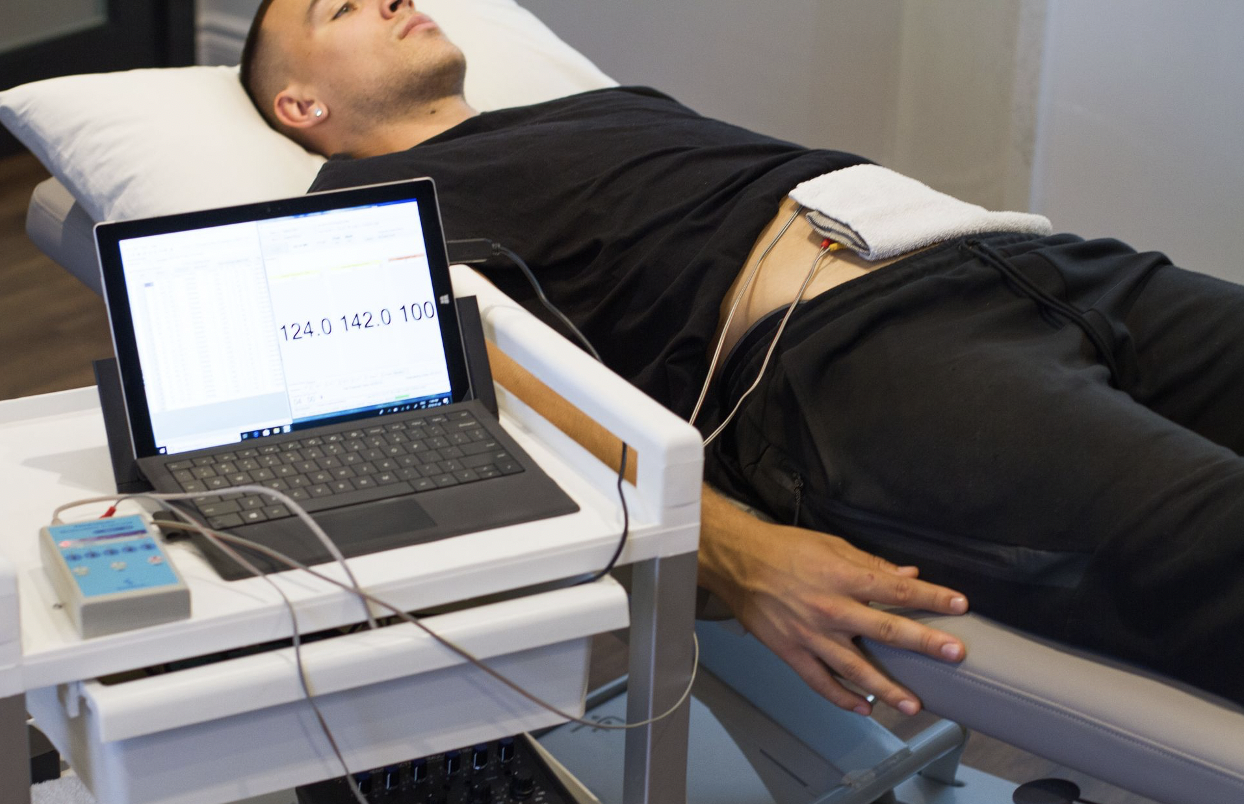
FSM leverages this principle by applying very low-intensity current combined with specific frequency pairings that are selected based on the tissue type and physiological process involved. The goal is not to force a response, but to support the body’s own regulatory and repair mechanisms.
Because the current is delivered at microamp levels similar to the body’s natural electrical output, FSM is designed to work with the nervous system rather than overstimulate it.
Clinical Applications of FSM
FSM is commonly integrated into care plans for patients dealing with both acute and long-standing conditions. It is particularly valuable when pain, inflammation, or nervous system sensitivity are limiting recovery.
Common applications include:
Persistent muscle and joint pain
Tendon and ligament irritation
Post-surgical recovery support
Nerve-related symptoms
Headaches and jaw tension
Scar tissue and post-traumatic stiffness
Complex pain patterns that have not responded well to other treatments
FSM is rarely used in isolation. It is most effective when combined with appropriate manual therapy, movement strategies, and recovery-focused care.
What to Expect During Treatment
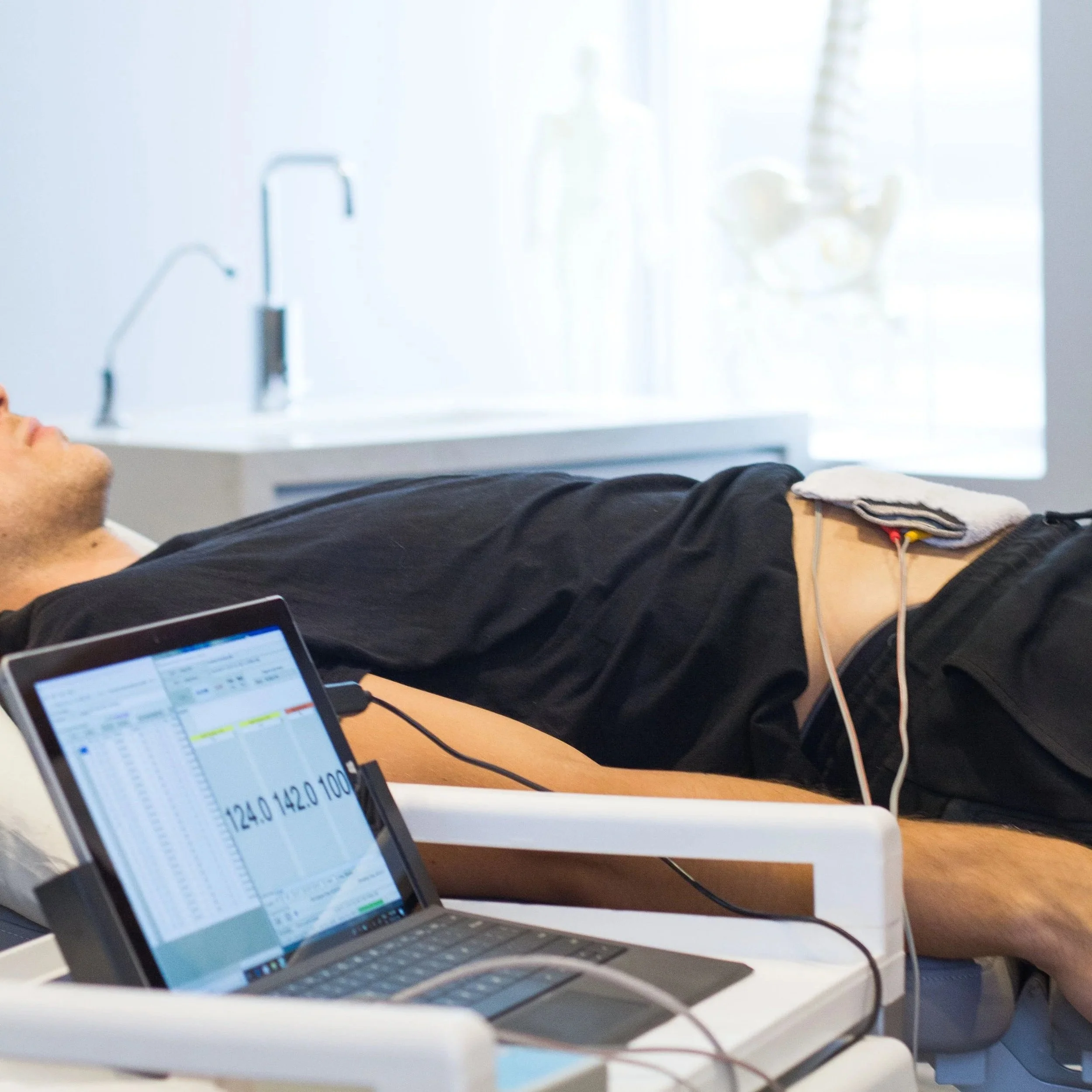
FSM sessions are typically calm and comfortable. Most patients feel little to no sensation during treatment, while others describe a mild warmth or gentle awareness in the treated area.
Sessions are tailored based on clinical findings and may be used:
At the start of a visit to help calm irritated tissues
Mid-session to support recovery between hands-on techniques
Following treatment to reinforce neurological and tissue-level changes
Because FSM works below the sensory threshold, the absence of sensation does not reflect effectiveness.
Is FSM Right for You?
FSM may be appropriate if you:
Have ongoing pain that feels “stuck” or reactive
Are highly sensitive to hands-on treatment
Experience flare-ups after traditional therapies
Are recovering from injury or surgery
Want a gentle option that supports healing without force
A thorough assessment is always performed to determine whether FSM is appropriate and how it fits within your overall care plan.
How Frequency Specific Microcurrent Is Used at ONE80 Health
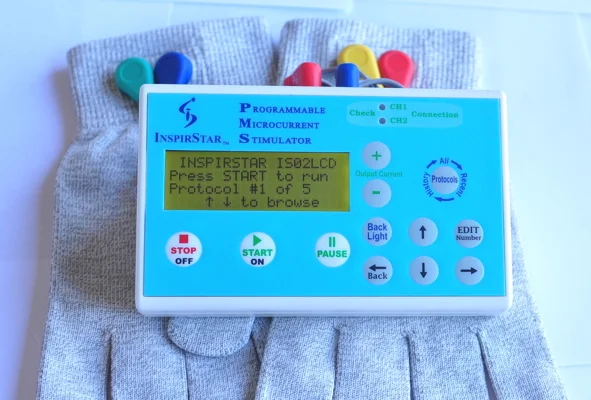
At ONE80 Health, Frequency Specific Microcurrent is not used as a stand-alone treatment or a one-size-fits-all solution. It is integrated thoughtfully into individualized care plans based on clinical findings, patient tolerance, and recovery goals.
FSM is often selected when the nervous system is highly reactive, tissues are slow to recover, or when traditional hands-on approaches need to be supported rather than intensified. Its low-intensity nature allows care to progress without overwhelming already stressed systems.
Treatment plans are designed to:
Reduce unnecessary nervous system stress
Support tissue healing and adaptability
Improve tolerance to movement and load
Reinforce the effects of hands-on and active care
Encourage long-term recovery rather than short-term symptom chasing
FSM is used when it adds value—not by default, and not in isolation.
Safety & Comfort Sub-Section
FSM is considered very safe and is well tolerated by most individuals due to the extremely low electrical current used. Because it works below the sensory threshold, treatment does not rely on discomfort or force to create change.
Your provider will review your health history, assess your presentation, and determine whether FSM is appropriate for your condition and stage of recovery.
FAQS
-
-
-
-
-
Acceleration in healing of acute injuries up to 200%
Improved oxygenation and cellular repair
Decreased cellular electrical resistance
Reduced inflammatory chemicals in tissues
Increased feel-good endorphin levels
Increased cell energy (ATP) levels by up to 500%
Boosts protein synthesis by 70%
Restored adrenal function
Repaired regulation of nerve tissue
Boosted immune function
Improved cellular function
Softening of tight tissues
Emotional release
Pain Relief
Reduction of muscle spasms
Increased blood circulation to injured areas
Maintenance and/or increase range of motion to injured areas
The results are impressive and consistent. Chronic injuries clear up in record time. FSM can remodel scar tissue in one therapy session that would take months to do manually.
-
FSM uses much lower levels of current than modalities such as TENS or IFC. Rather than creating a strong sensory response or muscle contraction, FSM is designed to work subtly with the body’s regulatory systems. Most patients feel little to no sensation during treatment.
-
Yes. FSM is often considered for individuals who are highly sensitive to manual therapy or who experience flare-ups with more aggressive treatment approaches. It allows care to progress without adding excessive physical stress.
-
FSM does not replace movement or rehabilitation. It may be used to support recovery, reduce sensitivity, or improve tolerance so that active care can be introduced or progressed more effectively.