
Kinesiology Taping
What Kinesiology Taping Does
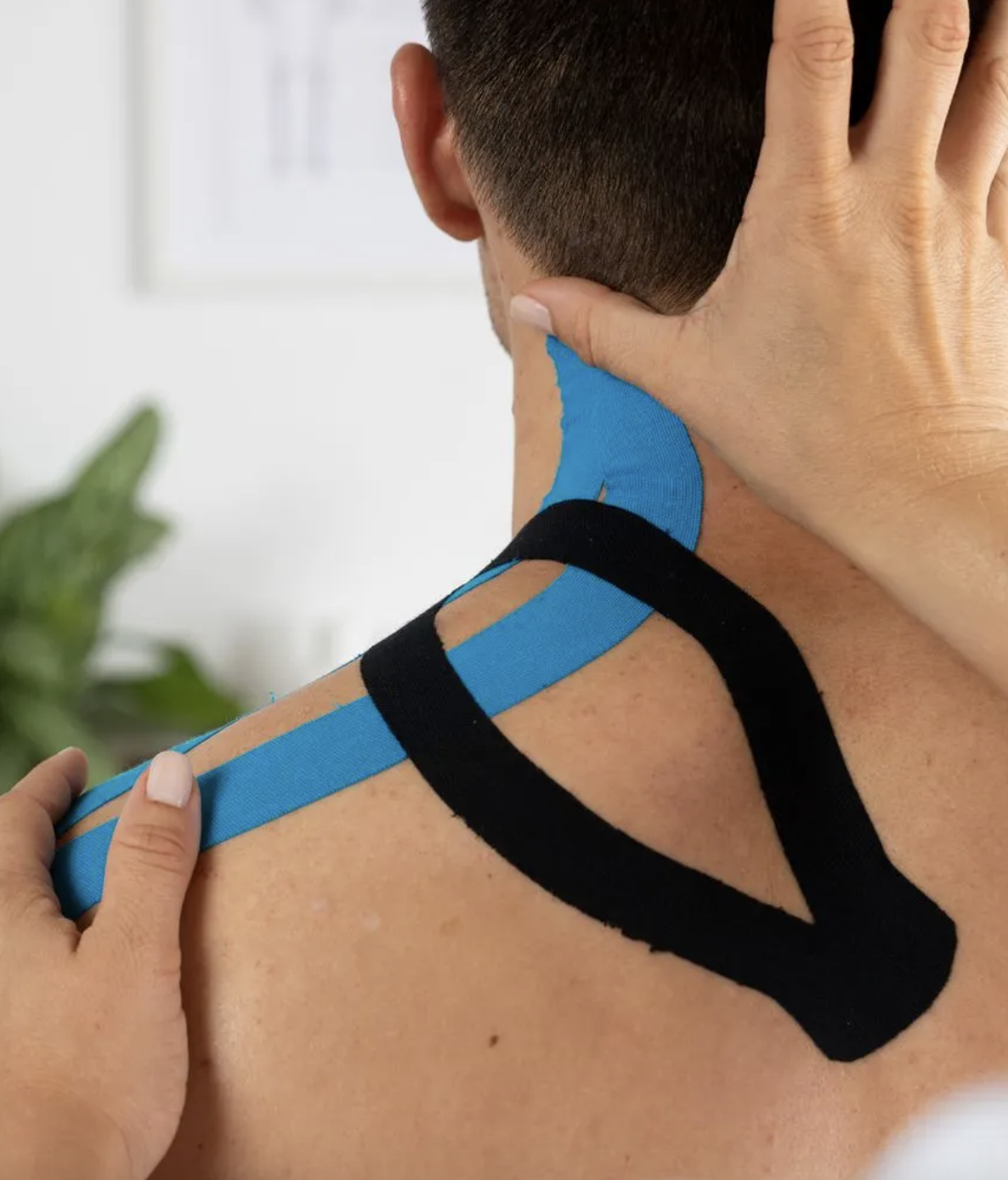
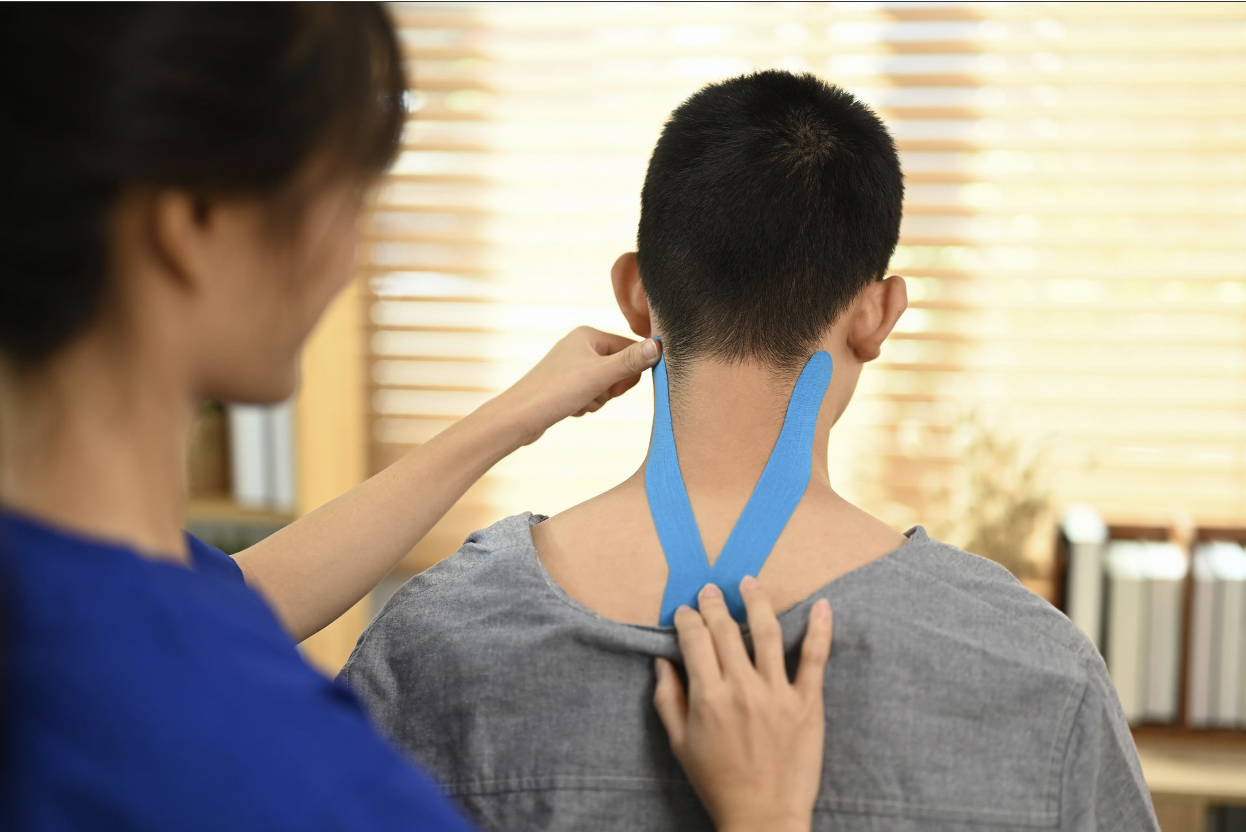
Kinesiology taping is a therapeutic taping technique designed to provide targeted support without restricting natural movement. Unlike rigid athletic tape, kinesiology tape moves with the body, allowing joints and tissues to function while receiving subtle mechanical and sensory input.
When applied correctly, taping can help reduce excessive strain on irritated tissues, improve movement awareness, and support more efficient motion patterns during daily activity, exercise, and rehabilitation. It is most effective when used as part of a broader care plan rather than as a standalone solution.
What Kinesiology Taping Does
Kinesiology taping is a therapeutic taping technique designed to provide targeted support without restricting natural movement. Unlike rigid athletic tape, kinesiology tape moves with the body, allowing joints and tissues to function while receiving subtle mechanical and sensory input.
When applied correctly, taping can help reduce excessive strain on irritated tissues, improve movement awareness, and support more efficient motion patterns during daily activity, exercise, and rehabilitation. It is most effective when used as part of a broader care plan rather than as a standalone solution.
How Taping Influences Movement and Load
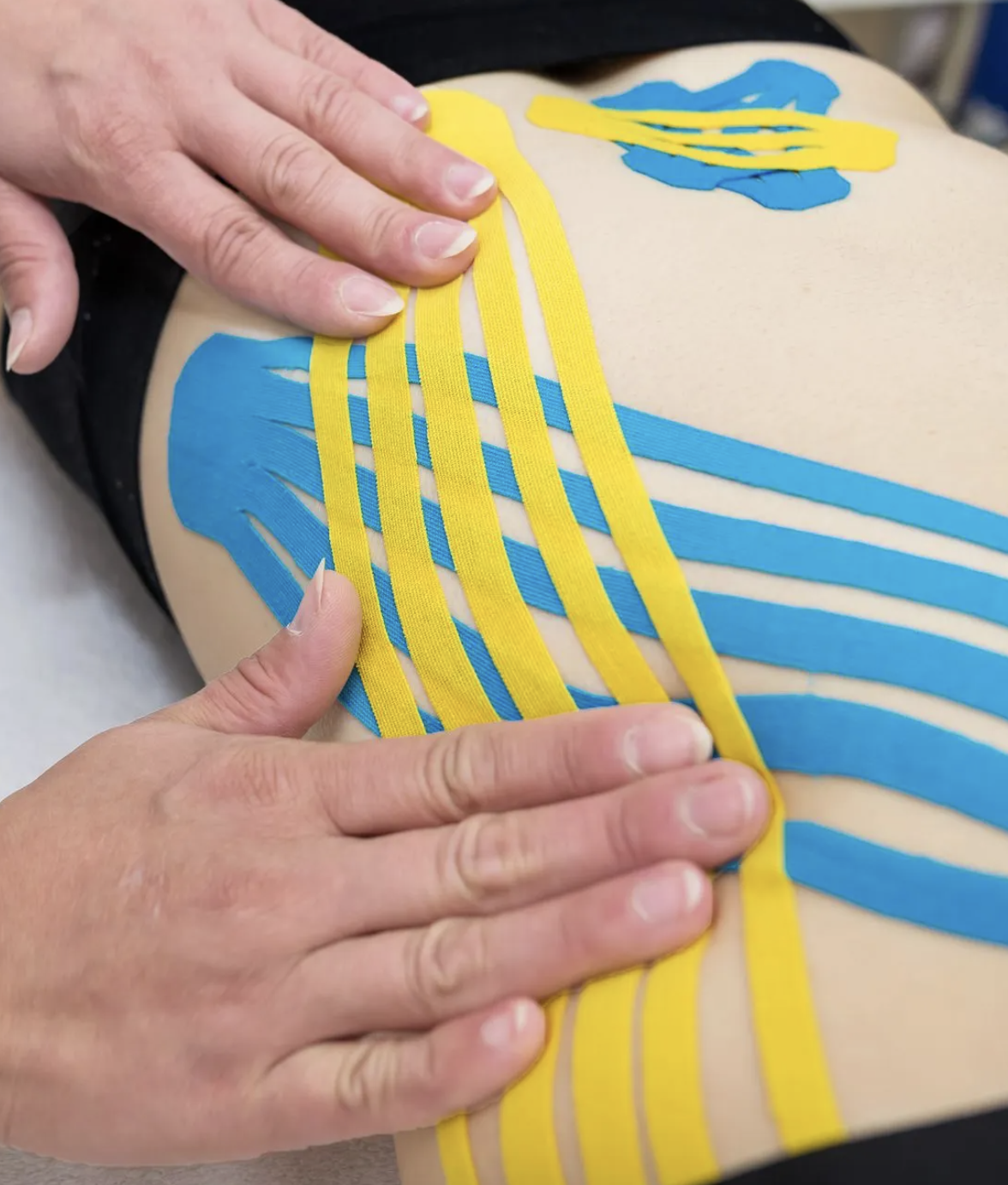
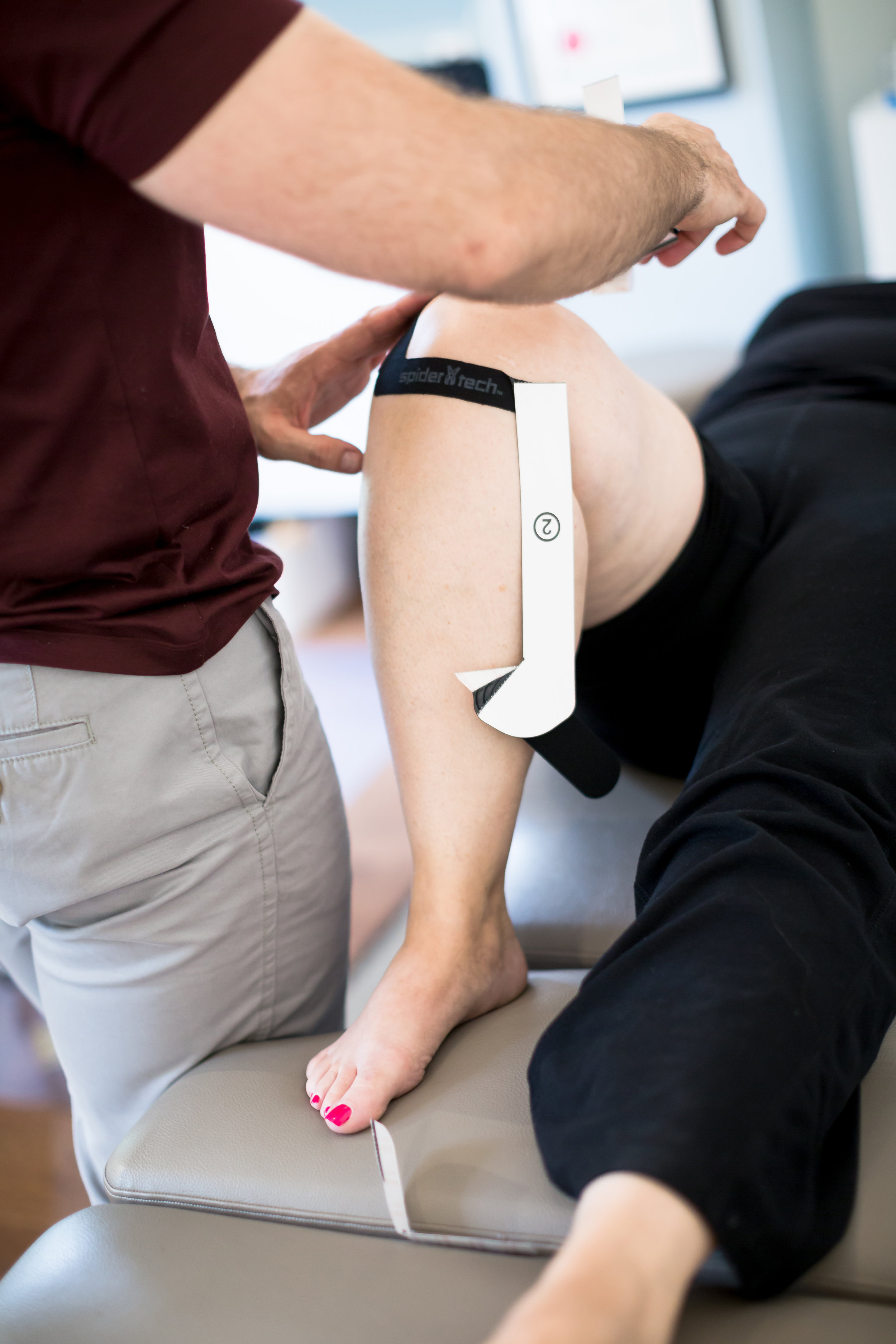
Kinesiology taping works through a combination of mechanical support and sensory feedback. The tape interacts with the skin and underlying tissues to influence how forces are distributed and how movement is perceived.
This input can help:
Reduce unnecessary tension in overworked areas
Improve awareness of joint position and movement quality
Encourage more efficient muscle activation patterns
Support tissues during periods of increased demand or recovery
The goal is not to “hold things in place,” but to guide movement in a way that reduces irritation and improves tolerance to load.
How Taping Influences Movement and Load
Kinesiology taping works through a combination of mechanical support and sensory feedback. The tape interacts with the skin and underlying tissues to influence how forces are distributed and how movement is perceived.
This input can help:
Reduce unnecessary tension in overworked areas
Improve awareness of joint position and movement quality
Encourage more efficient muscle activation patterns
Support tissues during periods of increased demand or recovery
The goal is not to “hold things in place,” but to guide movement in a way that reduces irritation and improves tolerance to load.
When Kinesiology Taping Is Commonly Used
Kinesiology taping may be appropriate during a wide range of situations where tissues need support without limiting function. It is commonly used during phases of recovery, return to activity, or when symptoms fluctuate with movement or workload.
Taping is often integrated when someone needs temporary support while continuing to move, train, or work; particularly when rest alone is not realistic or desirable. It is also useful during transitions, such as returning to sport, increasing training volume, or managing recurring irritation.
Taping decisions are always individualized and based on assessment findings, not applied routinely or generically.
A Clinical, Integrated Approach
At ONE80 Health, kinesiology taping is used as a strategic tool within a broader treatment and rehabilitation plan. It is selected based on how you move, where load is accumulating, and what your body currently tolerates, not based on diagnosis labels alone.
Taping may be combined with manual therapy, rehabilitation exercises, strength training, or other therapeutic modalities to reinforce changes made during treatment sessions. The intent is to support progress between visits, not create dependency on tape.
Application methods, tension, direction, and duration are all chosen deliberately to match your specific needs.
What to Expect From Taping
Kinesiology tape is lightweight, breathable, and designed to be worn comfortably during normal daily activities. Most applications can be worn for several days, including during exercise and showering, depending on skin tolerance and activity level.
Some people notice immediate changes in comfort or movement awareness, while others experience more subtle benefits over time. Taping is monitored and adjusted as needed based on response, activity demands, and skin sensitivity.
Clear guidance is provided on wear time, removal, and when taping should or should not be continued.
Is Kinesiology Taping Right for You?
Kinesiology taping is not a one-size-fits-all solution, and it is not used in isolation. Its value depends on proper assessment, thoughtful application, and integration into a broader plan focused on restoring function and resilience.
If you are dealing with recurring irritation, transitional phases of recovery, or movement-related discomfort, an assessment can help determine whether taping is appropriate and how it fits into your overall care.
FAQs
-
-
-
Most applications can be worn for 3–5 days, depending on your skin type, activity level, and specific condition.
-
Acute and chronic pain
Muscle strains and joint injuries
Swelling, edema, and bruising
Poor posture and movement dysfunctions
Rehabilitation after surgery
Athletic performance support
-
The tape provides temporary support and pain relief. To ensure long-term results, we combine taping with targeted exercises and manual therapy so the improvements are reinforced even after the tape comes off.
-
Most people tolerate kinesiology tape well. Rarely, mild skin irritation may occur in those with adhesive sensitivities.
-
Gently roll the tape off in the direction of hair growth on dry skin. Avoid peeling it off quickly or removing it while wet.