
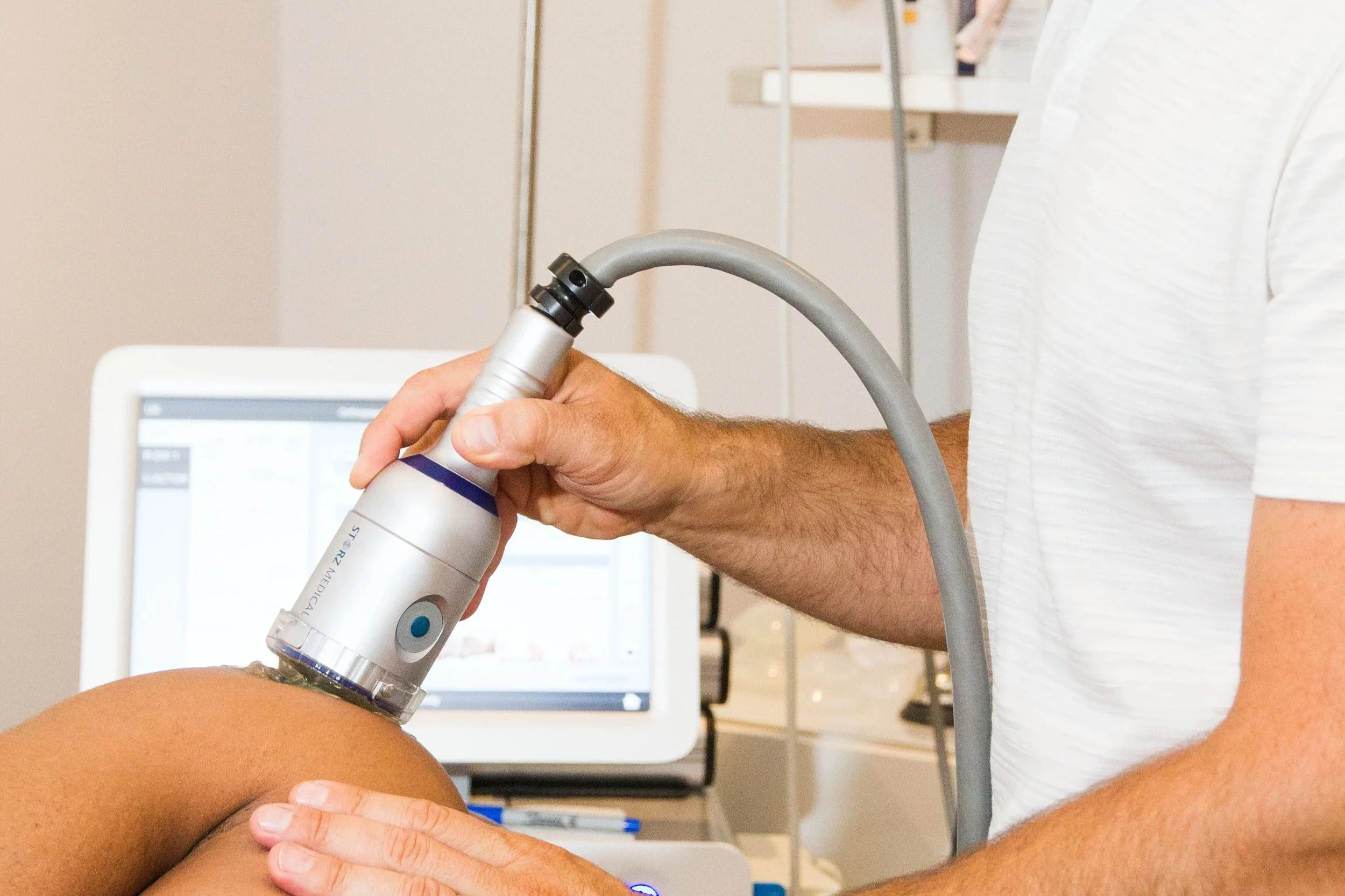
Extracorporeal Focused & Radial Shockwave Therapy (ESWT)
Targeted mechanical stimulation designed to restart tissue healing, reduce pain, and restore function.
Extracorporeal Shockwave Therapy (ESWT) uses controlled acoustic pressure waves to stimulate biological repair processes in chronically injured or overloaded tissues. At ONE80 Health, we utilize both focused and radial shockwave technologies to match the depth, density, and clinical presentation of each condition.
This approach is particularly effective when pain persists despite rest, exercise, or conventional care. By applying mechanical energy directly to the affected tissue, shockwave therapy helps stimulate circulation, improve tissue metabolism, and support the body’s natural healing response.
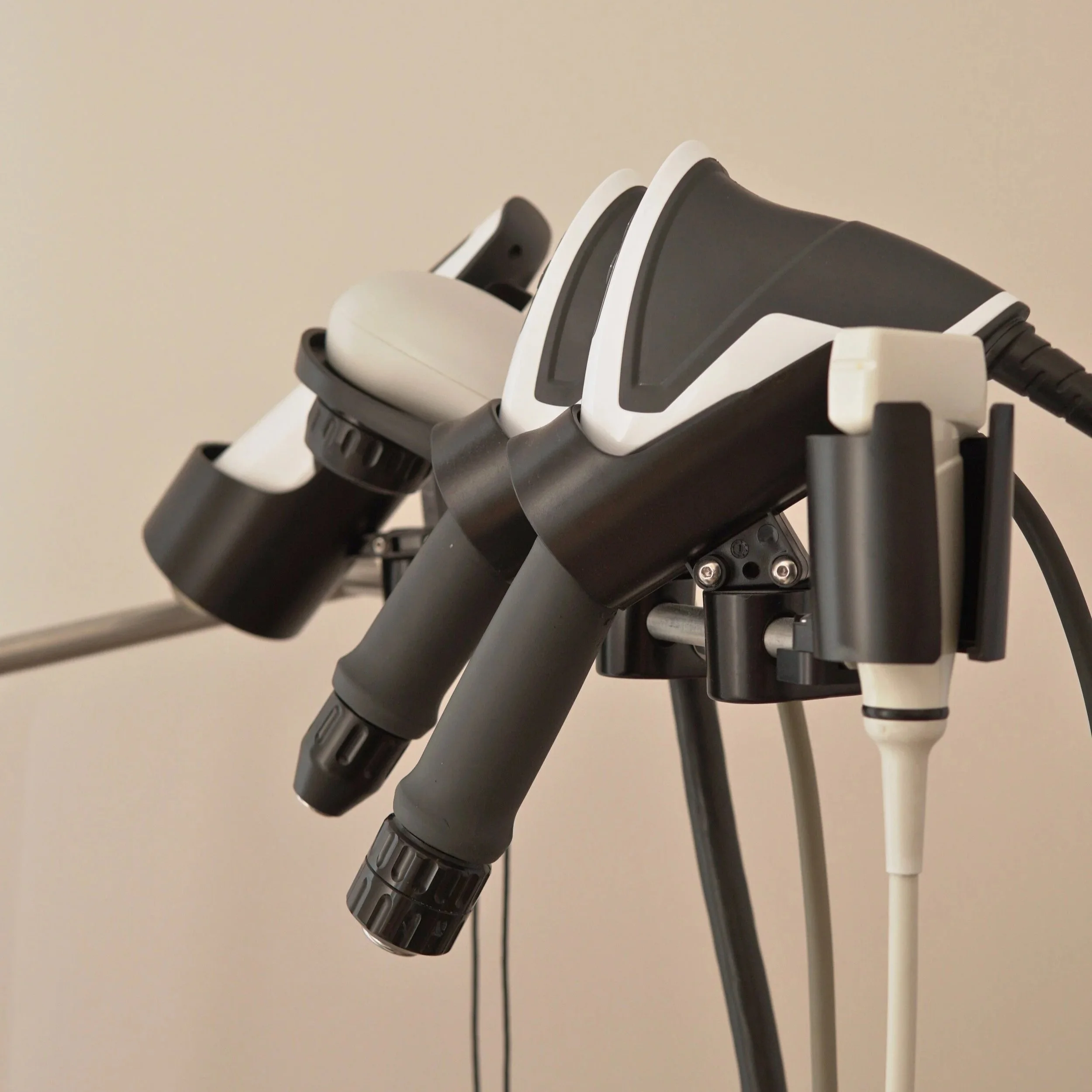
How Shockwave Therapy Works
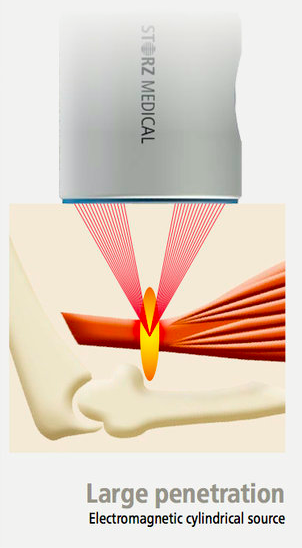
Shockwave therapy delivers rapid acoustic pulses into injured tissue, creating a mechanical stimulus that triggers local biological responses. These responses may include increased blood flow, improved cellular signalling, and stimulation of tissue remodelling.
In chronic conditions where healing has stalled, this mechanical input can help disrupt maladaptive tissue patterns, reduce sensitivity, and support healthier load tolerance over time. The result is not temporary symptom masking, but a shift in how the tissue responds to stress.
Treatment parameters are selected based on tissue depth, chronicity, and sensitivity, allowing for precise and controlled application.
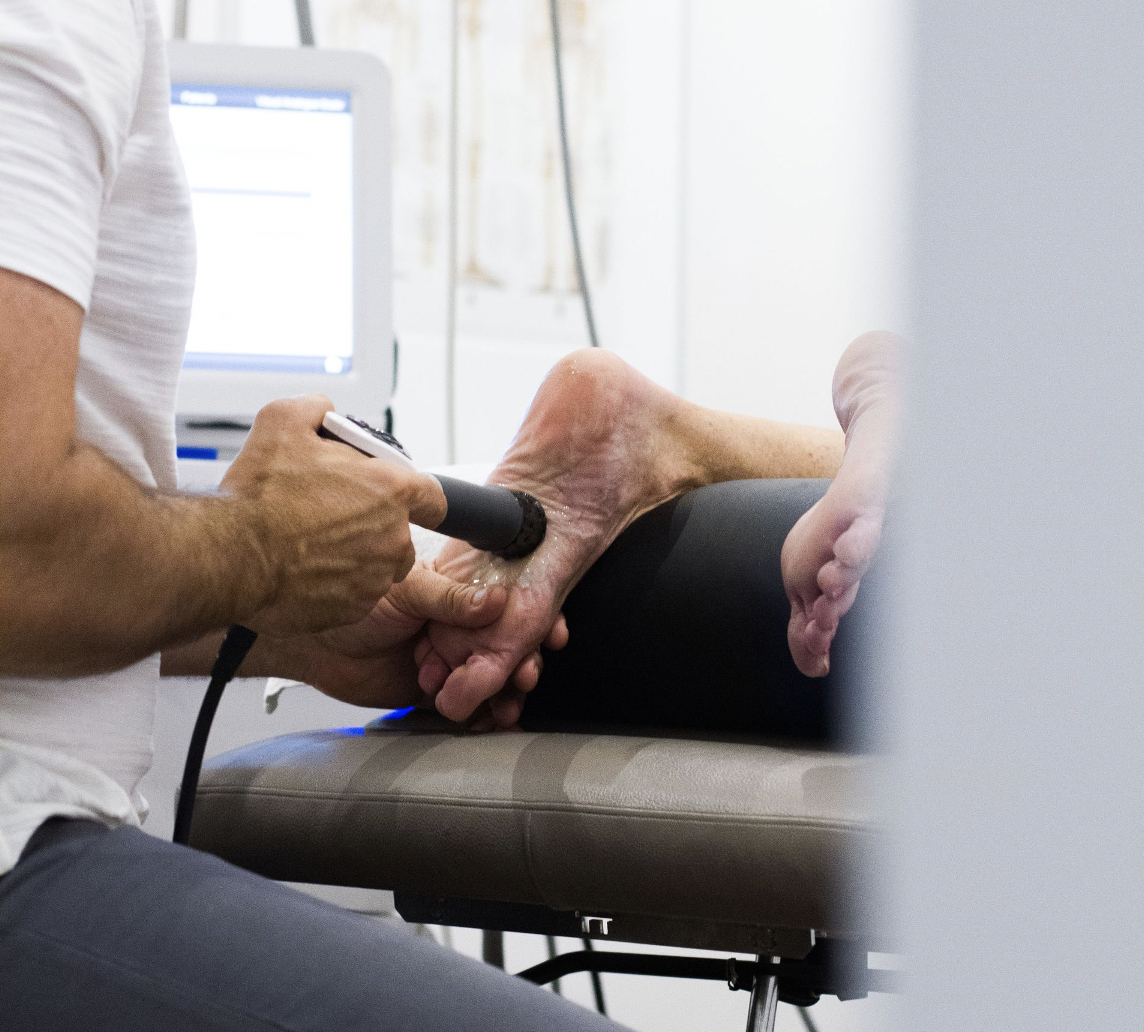
How Can Shockwave Therapy Benefit Your Health And Wellbeing
Shockwave therapy is a highly effective treatment that can be combined with exercise and many other modalities and treatment options. The success rates of shockwave therapy range from 70% to 95%. Although treatment healing times do vary, many patients report feeling an immediate change and improvement with their pain and function. Shockwave therapy induces the following medical process for healing:
Cell Level Change:
Shockwave stimulus affects the chemical environment of tissues at a cellular level. This causes changes to free radicals which boost the release of the substances that help to prevent pain and inflammation
Increased Blood Flow:
Normal blood flow is critical to the healing process and shockwaves create a re-vascularization effect. This type of stimulus redirects new blood flow into the affected area which improves soft tissue healing and regeneration.
Muscle Tone Reduction:
Shockwave treatment reduces the contractile activity of muscle and can also break patterns of neuro-cognitive pain that are associated with chronic conditions. This effectively decreases muscle tone and spasm, and has specific benefits with eliminating trigger points.
Pain Reduction:
Shockwave pulses directly affect the nerve fibres that transmit pain signals to our brain. Through the Gate Control Mechanism, shockwaves impact the interneurons in the A-β fibers which prevent the communication of pain.
Conditions successfully treated with Shockwave Therapy include:
Heel Pain (Plantar Fasciitis and/or Heel spurs)
Patellar Tendonitis/tendonosis (Jumper’s knee)
Achilles tendon pain (Achilles Tendonitis/tendonosis)
Tennis and Golfer’s elbow
Rotator Cuff tendonitis including calcifying tendonitis
Shin pain / tibial stress syndrome
Chronic neck, shoulder and back pain
Muscular trigger points
Very tight fascia and muscles
Connective Tissue Pain and Degeneration
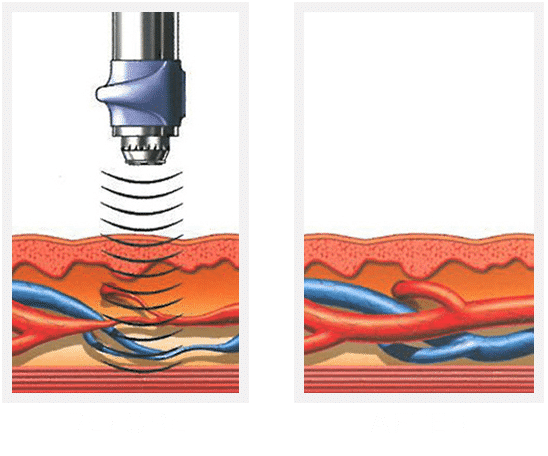
Increase of Blood Flow Through Revascularization
What to Expect During Treatment
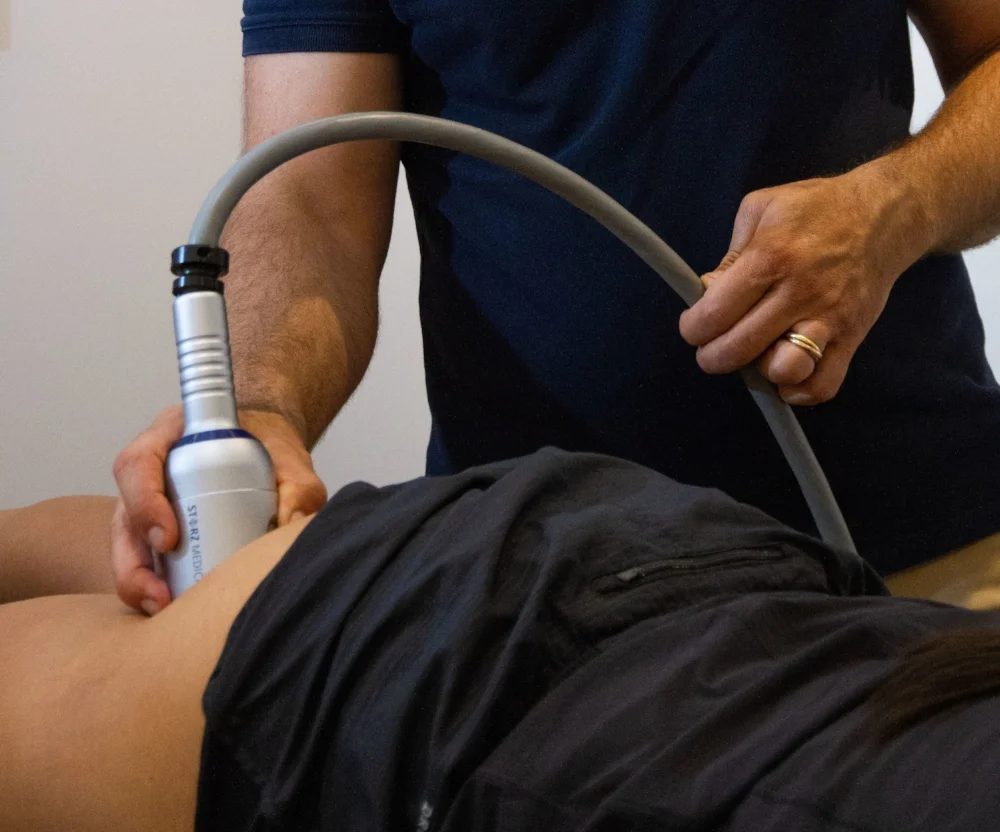
Shockwave sessions are brief and targeted. After a clinical assessment, treatment parameters are selected based on tissue type, sensitivity, and treatment goals.
Most sessions last only a few minutes per area. Sensation can range from mild discomfort to moderate intensity depending on the tissue being treated, but treatments are adjusted to remain tolerable and appropriate.
Care plans typically involve a series of sessions spaced over several weeks, allowing the tissue time to adapt and respond between visits.
Shockwave therapy is most effective when combined with appropriate movement, loading strategies, and supportive care. At ONE80 Health, it is often integrated alongside manual therapy, rehabilitation exercises, and other advanced modalities based on individual needs.
The goal is not just pain reduction, but restoring confidence, capacity, and long-term tissue health. Progress is monitored and treatment plans are adjusted as the body adapts.
An Integrated Approach to Recovery
Shockwave therapy is most effective when combined with appropriate movement, loading strategies, and supportive care. At ONE80 Health, it is often integrated alongside manual therapy, rehabilitation exercises, and other advanced modalities based on individual needs.
The goal is not just pain reduction, but restoring confidence, capacity, and long-term tissue health. Progress is monitored and treatment plans are adjusted as the body adapts.
Is Shockwave Therapy Right for You?
If you are dealing with persistent pain, recurring injuries, or limited progress despite previous care, shockwave therapy may be an appropriate next step.
A clinical assessment will determine whether focused or radial shockwave therapy is suitable for your condition and how it can be integrated into a personalized care plan.
FAQs
-
-
After a shock wave therapy session you will most likely be feeling no pain but you may experience throbbing pain 2-4 hours following the treatment. This throbbing pain may occur for up to 24 to 48 hours. In rare cases, patients may experience temporary skin reddening, pain or worsening of symptoms during the first few days after treatment.
It is important that following shock wave treatment activity levels are decreased for 48 hrs following the treatment.
Contra-Indications for Shock Wave Therapy:
If pre-ruptured tendons (greater than 50% tear of myotendinous junction)
If under the age of 18 (except of the treatment of Osgood-Schlatter or Sever's Disease)
During pregnancy
Cancer or diabetes
Heart or circulatory problems
If you have hemophilia or any blood-clotting disorder (including local thrombosis)
If patient is being treated with oral anticoagulants (blood thinning medications), such as Heparin or Coumadin
Treatment of tissue with local tumors or local bacterial and/or viral infections
If a patient has been treated with cortisone injections within the last six (6) weeks
CAUTION: The above is only a guide and should not be used as a substitute for being evaluated by a regulated health care professional that has experience in managing whiplash associated disorders. If you have any questions about your condition, please feel free to contact me at your convenience. If you feel that this is a medical emergency, please visit your closest hospital emergency department.
-
Shockwave therapy is a highly effective treatment that can be combined with exercise and many other modalities and treatment options. The success rates of shockwave therapy range from 70% to 95%. Although treatment healing times do vary, many patients report feeling an immediate change and improvement with their pain and function. Shockwave therapy induces the following medical process for healing:
Cell Level Change:
Shockwave stimulus affects the chemical environment of tissues at a cellular level. This causes changes to free radicals which boost the release of the substances that help to prevent pain and inflammation.
Increased Blood Flow:
Normal blood flow is critical to the healing process and shockwaves create a re-vascularization effect. This type of stimulus redirects new blood flow into the affected area which improves soft tissue healing and regeneration.
Increase of Blood Flow Through Revascularization Muscle Tone Reduction:
Shockwave treatment reduces the contractile activity of muscle and can also break patterns of neuro-cognitive pain that are associated with chronic conditions. This effectively decreases muscle tone and spasm, and has specific benefits with eliminating trigger points.
Pain Reduction:
Shockwave pulses directly affect the nerve fibres that transmit pain signals to our brain. Through the Gate Control Mechanism, shockwaves impact the interneurons in the A-β fibers which prevent the communication of pain.
-
-
-
In most cases, modified activity is encouraged rather than complete rest. Load and movement strategies are discussed as part of your care plan to support recovery while avoiding unnecessary aggravation.