
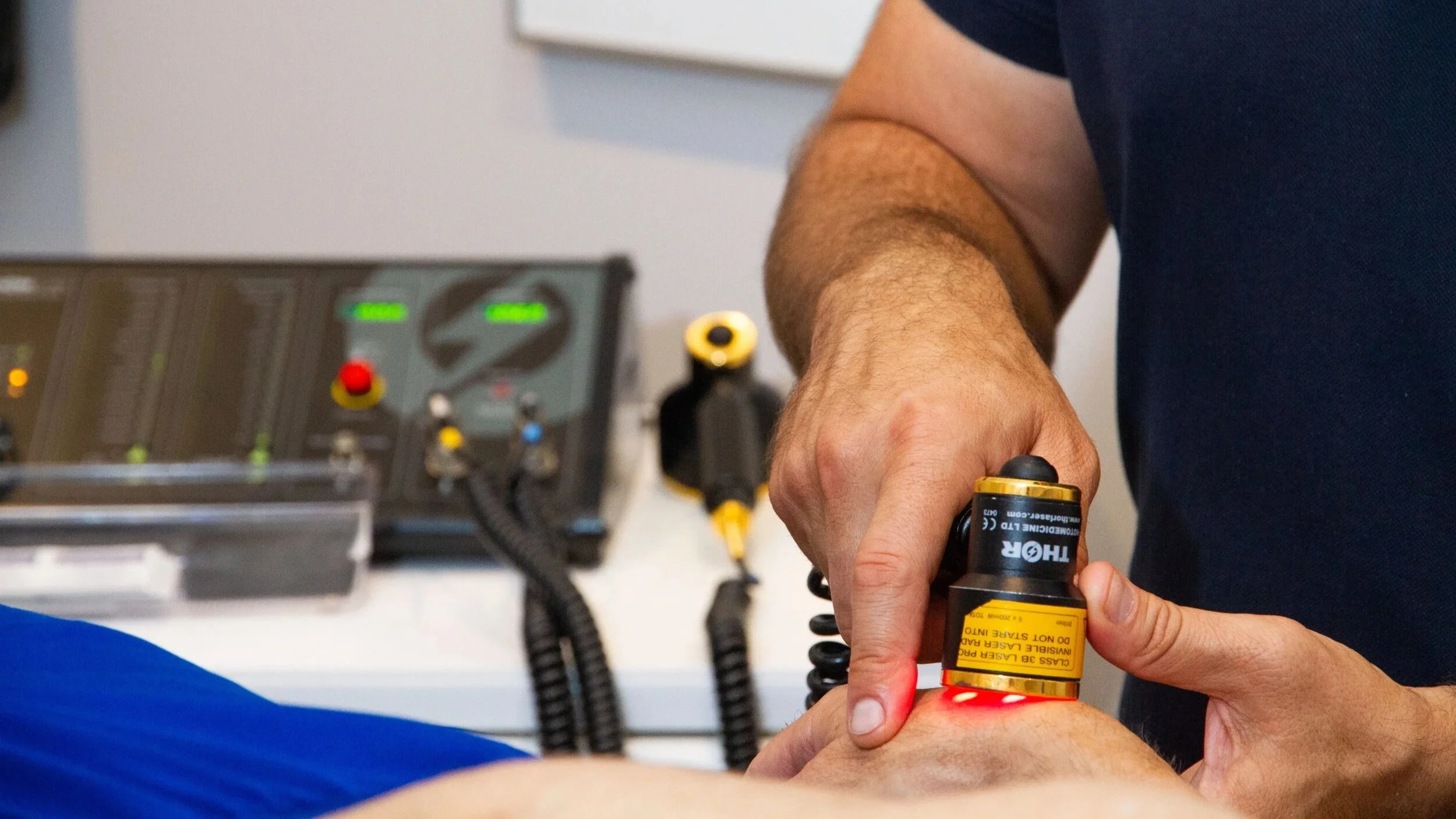
Photobiomodulation Laser Therapy
Embrace A Brighter, Pain-free Life With Photobiomodulation Therapy
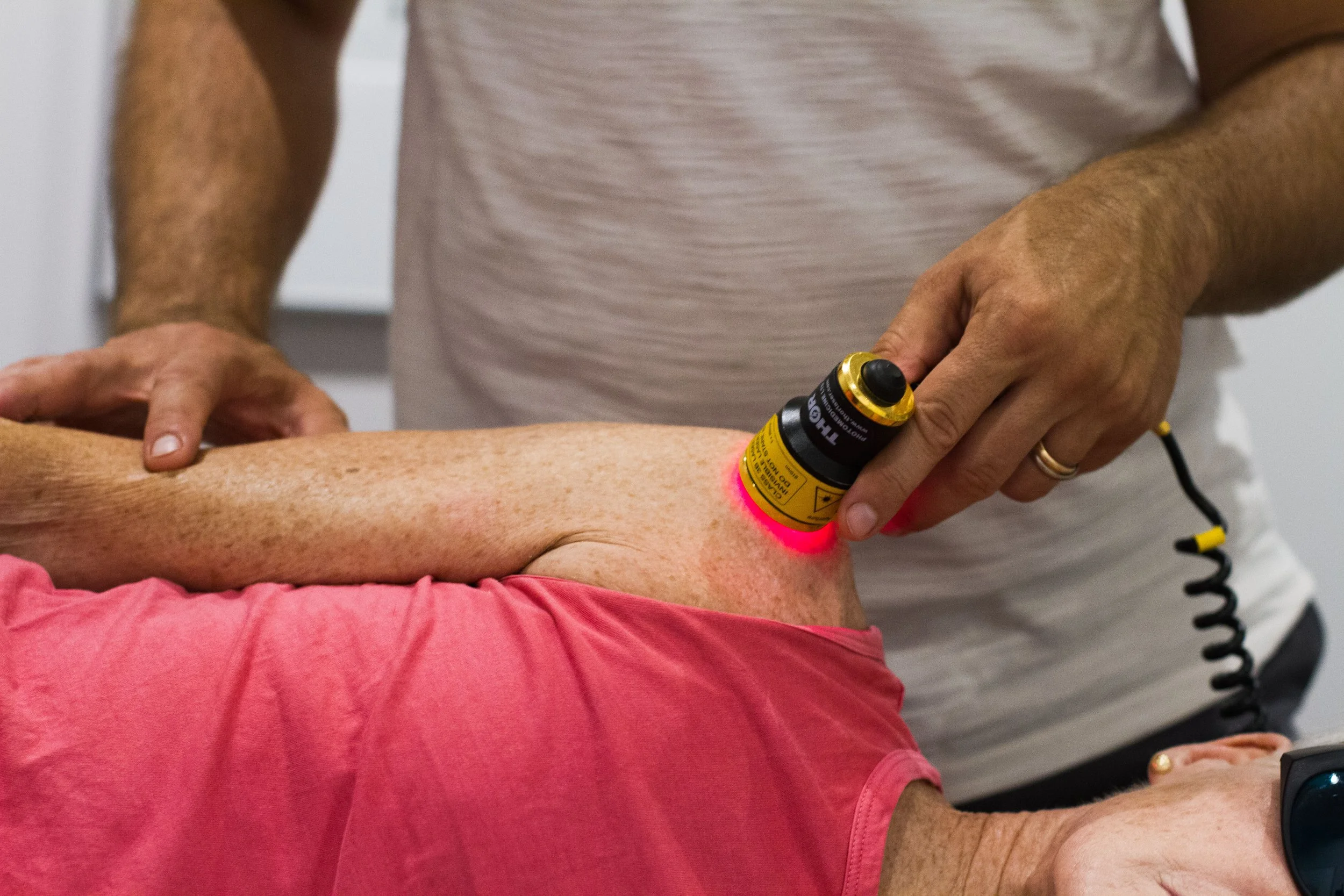
Photobiomodulation Laser Therapy is a non-invasive treatment that uses specific wavelengths of light to stimulate cellular repair and regeneration. By delivering focused light energy into injured or dysfunctional tissue, photobiomodulation supports mitochondrial activity, improves local circulation, and helps regulate inflammation at the cellular level.
Unlike passive pain-relief approaches, this therapy works by influencing how cells produce energy, respond to stress, and recover from injury. It is precise, evidence-supported, and commonly used in both rehabilitation and performance-based care to accelerate healing timelines while minimizing tissue irritation.
How Laser Therapy Supports Cellular Energy and Repair
Photobiomodulation works by delivering light energy that is absorbed by cellular structures responsible for energy production. This process supports increased ATP availability, improved oxygen utilization, and enhanced cellular signalling key components for tissue repair and recovery.
As cellular efficiency improves, the body is better able to manage inflammation, reduce pain sensitivity, and restore normal tissue function. This makes photobiomodulation particularly valuable for both acute injuries and long-standing conditions where tissue recovery has slowed or stalled.
Clinical Applications of Photobiomodulation Therapy
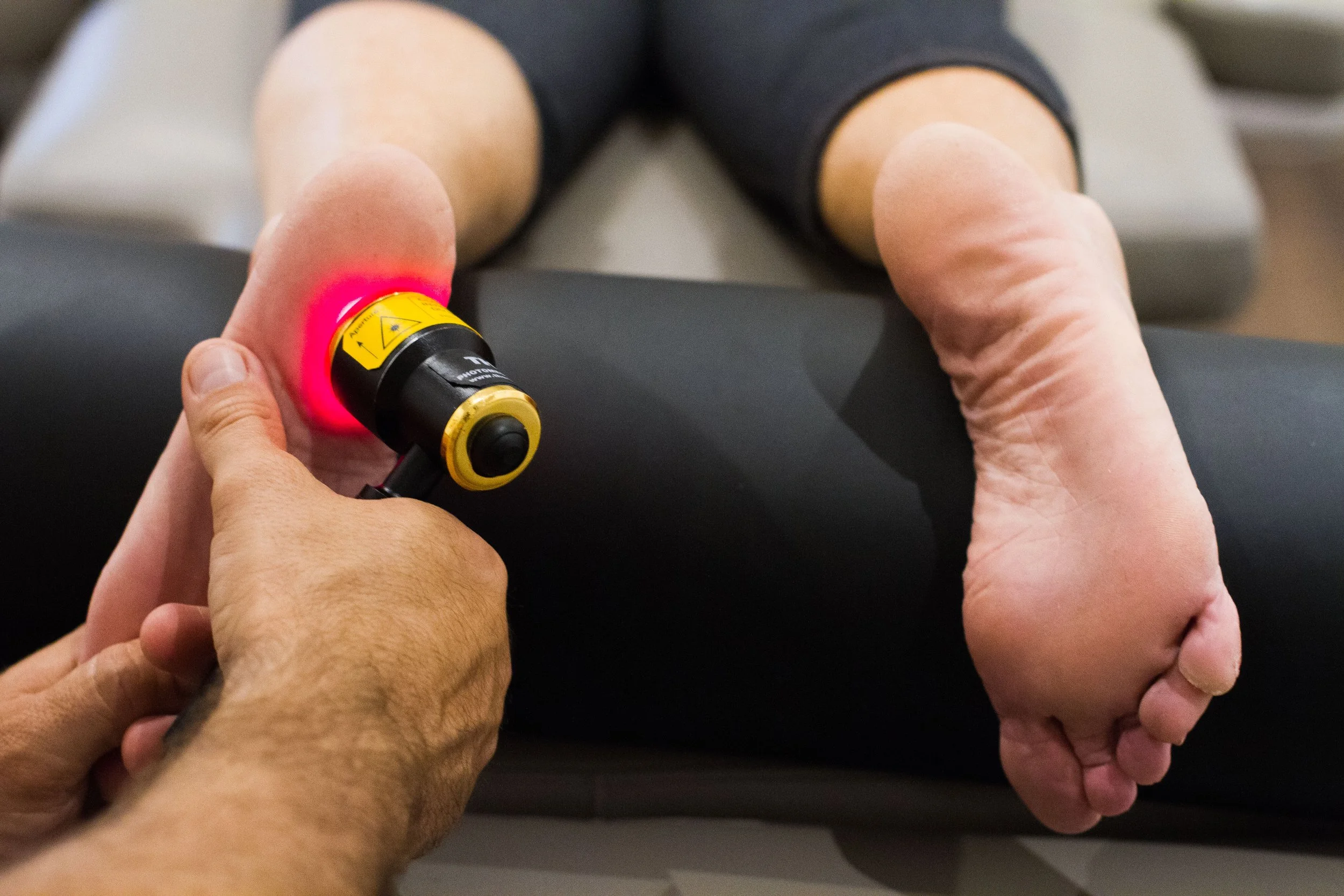
Photobiomodulation Laser Therapy is commonly integrated into care plans for a wide range of musculoskeletal and neurological conditions. It is used to support recovery in cases involving joint pain, soft-tissue injuries, tendon and ligament irritation, nerve-related discomfort, and post-surgical healing.
In performance and rehabilitation settings, it is frequently applied to support training recovery, reduce post-exercise soreness, and assist with tissue remodeling following repetitive strain or overload. At ONE80 Health, its use is always guided by clinical findings and functional goals.
What to Expect During Laser Therapy Treatment
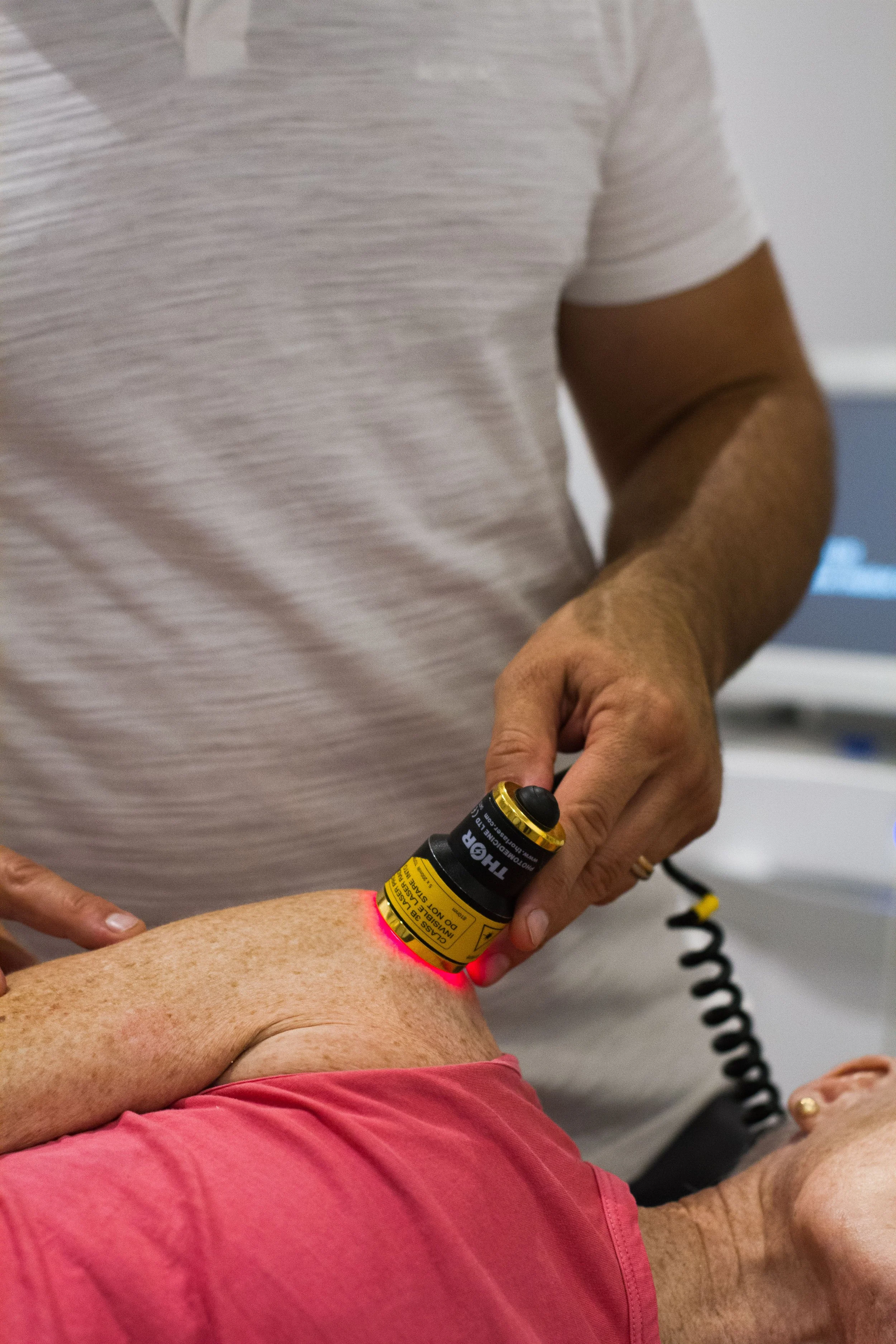
Photobiomodulation treatments are comfortable, efficient, and require no downtime. During a session, the laser applicator is positioned over targeted areas identified during your assessment. Treatment times vary depending on the tissue and clinical objective, but sessions are typically brief and well tolerated.
Most patients describe the sensation as neutral or gently warming, with no discomfort during or after treatment. Photobiomodulation is often combined with manual therapy, rehabilitation exercises, or other modalities to enhance overall clinical outcomes.
Who Benefits Most from Photobiomodulation Therapy
Photobiomodulation Laser Therapy is well suited for individuals dealing with persistent pain, slow-healing injuries, inflammation-related conditions, or recovery plateaus. It is commonly used by active individuals, professionals with physically demanding roles, and patients seeking non-invasive options to support healing.
This therapy is particularly appropriate when tissue recovery needs to be supported without adding mechanical stress or excessive load. Suitability is determined through a thorough clinical assessment.
Integrating Laser Therapy into a Comprehensive Care Plan
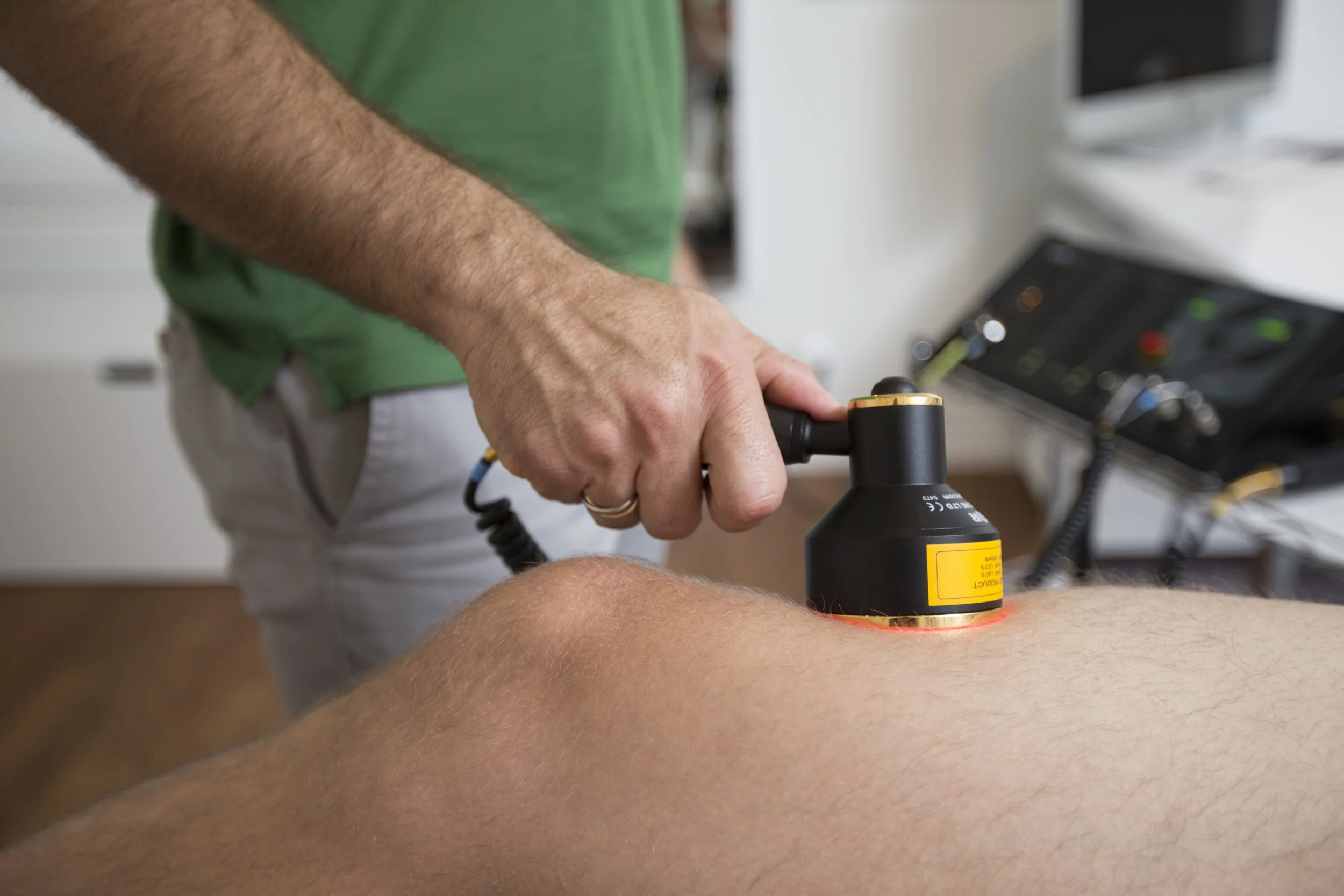
At ONE80 Health, Photobiomodulation Laser Therapy is integrated into personalized, goal-driven care plans designed to restore movement, reduce pain, and improve long-term resilience. Treatment decisions are based on clinical assessment, functional demands, and recovery objectives not protocols or templates.
An initial assessment will determine whether photobiomodulation is appropriate for your condition and how it fits into your overall care strategy.
FAQs
-
-
-
Yes. When delivered by a trained clinician using appropriate parameters, photobiomodulation laser therapy is considered safe and well tolerated. It is non-invasive, does not damage tissue, and does not rely on heat or mechanical force to achieve its effects. Suitability is determined during your assessment to ensure it aligns with your clinical needs.
-
No. Most patients experience little to no sensation during treatment. Some report a mild warming feeling in the treated area, but treatments are generally comfortable and do not cause post-treatment soreness or downtime.
-
While suitable for many individuals, photobiomodulation may not be appropriate in certain situations. This includes specific medical conditions or circumstances where laser use is contraindicated. A thorough clinical assessment ensures the therapy is both appropriate and safe for you.