
Injury Rehabilitation in Toronto
Rebuild After Injury, Don’t Just “Heal”
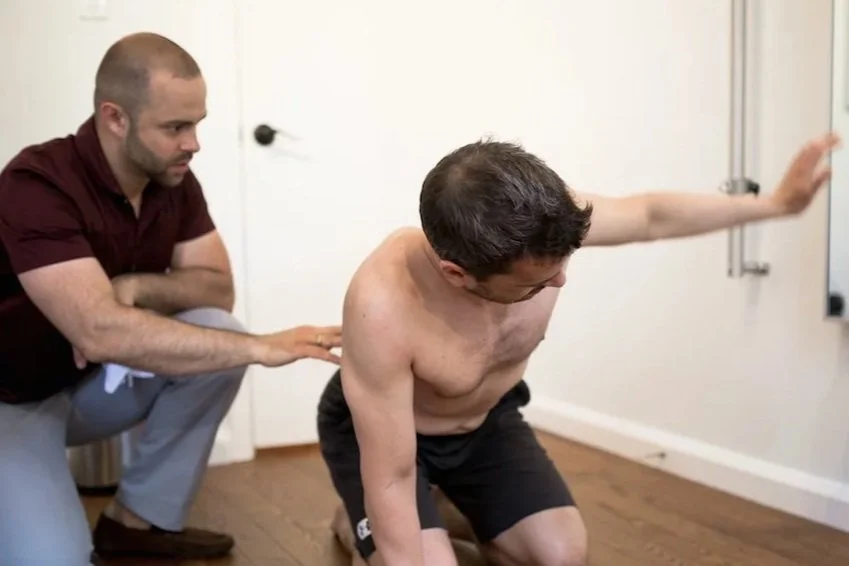
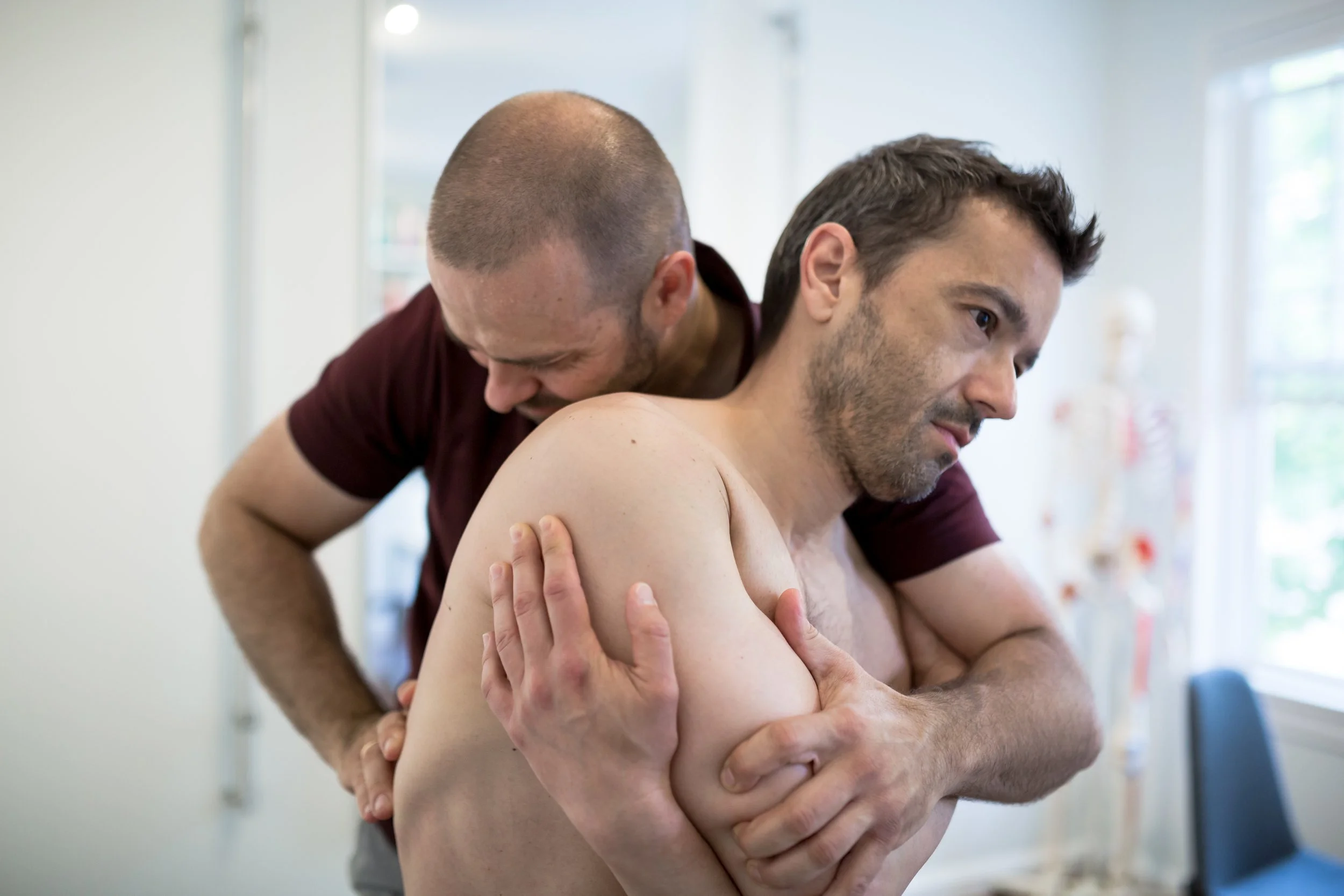
Injury rehabilitation at ONE80 Health is designed to restore how your body actually functions not just reduce symptoms. Whether your injury came from sport, work, an accident, surgery, or gradual overload, our focus is simple: help you move well, feel strong, and trust your body again.
Rehabilitation is not passive care. It is a structured, progressive process that addresses tissue healing, nervous system regulation, movement mechanics, and load tolerance so recovery is complete, not temporary.
If you are tired of being “managed” instead of restored, you are in the right place.
Injuries Are Rarely Isolated. Neither Is Our Approach.
Injuries do not occur in a vacuum. Pain is often the final signal of accumulated stress, poor movement strategies, or unresolved compensation patterns.
Our injury rehabilitation programs commonly address:
Acute and chronic sports injuries
Workplace and repetitive strain injuries
Post-surgical rehabilitation
Motor vehicle accident injuries
Tendinopathies, sprains, strains, and joint injuries
Persistent pain that hasn’t responded to standard care
Rather than chasing symptoms, we identify why the injury occurred, what is slowing recovery, and what must change to prevent recurrence.
A Structured Approach to Injury Rehabilitation
Effective rehabilitation follows a sequence. Skipping steps leads to setbacks.
Your care begins with a thorough assessment of movement, load tolerance, joint function, tissue health, and nervous system response. From there, we apply targeted interventions to reduce pain and restore capacity, followed by progressive re-integration into daily activity, work, or sport.
This is not a generic protocol. Your rehab evolves as your body adapts.
The goal is not dependency on care, it is independence with confidence.
The Right Input at the Right Time
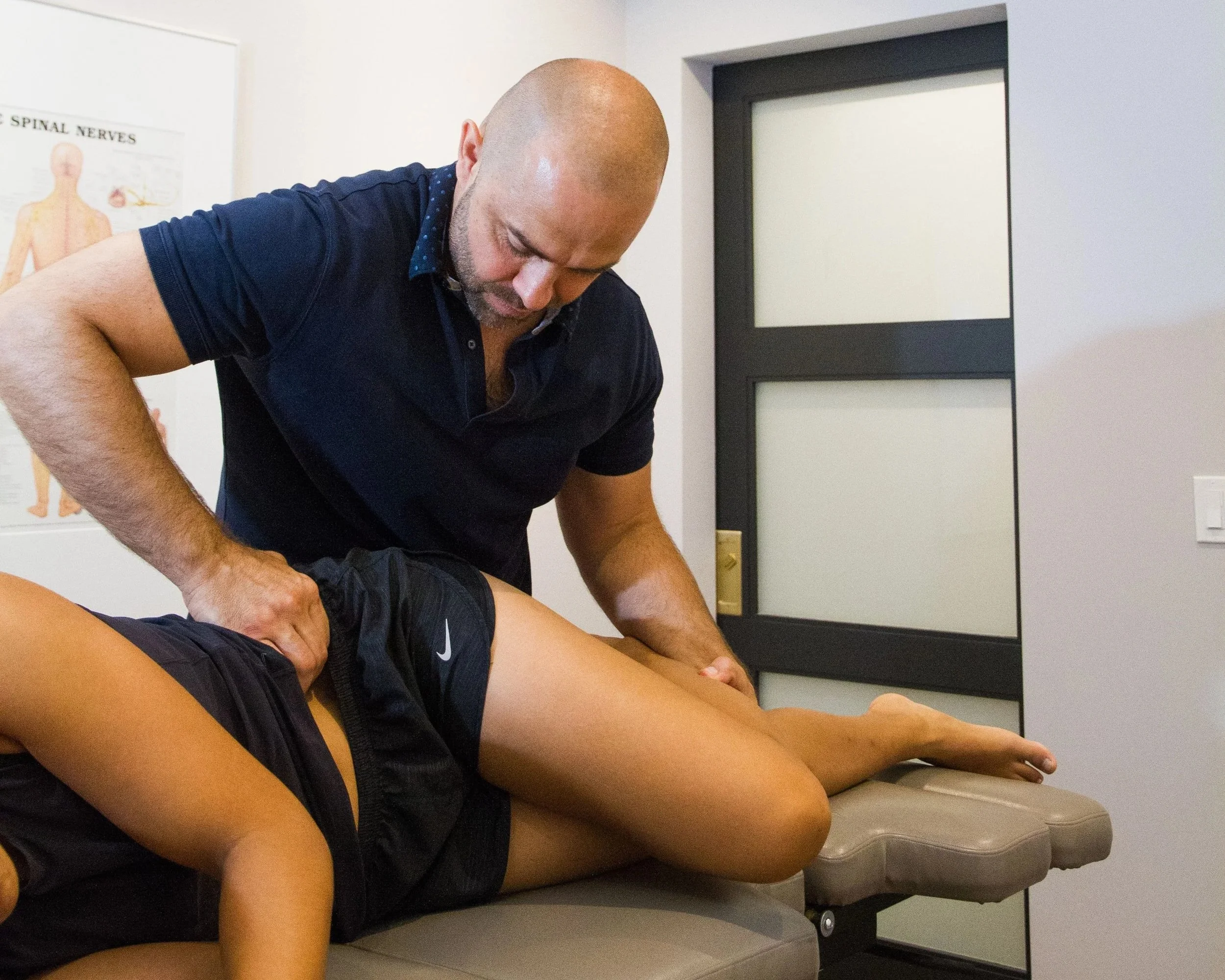
Rehabilitation requires precision. We integrate hands-on care, advanced modalities, and active rehabilitation to match the stage of healing and individual tolerance.
Depending on your needs, your program may include:
Manual therapy and soft tissue techniques
Chiropractic and joint-based interventions
Acupuncture and neuromodulation strategies
Shockwave, laser, microcurrent, or oscillation therapies
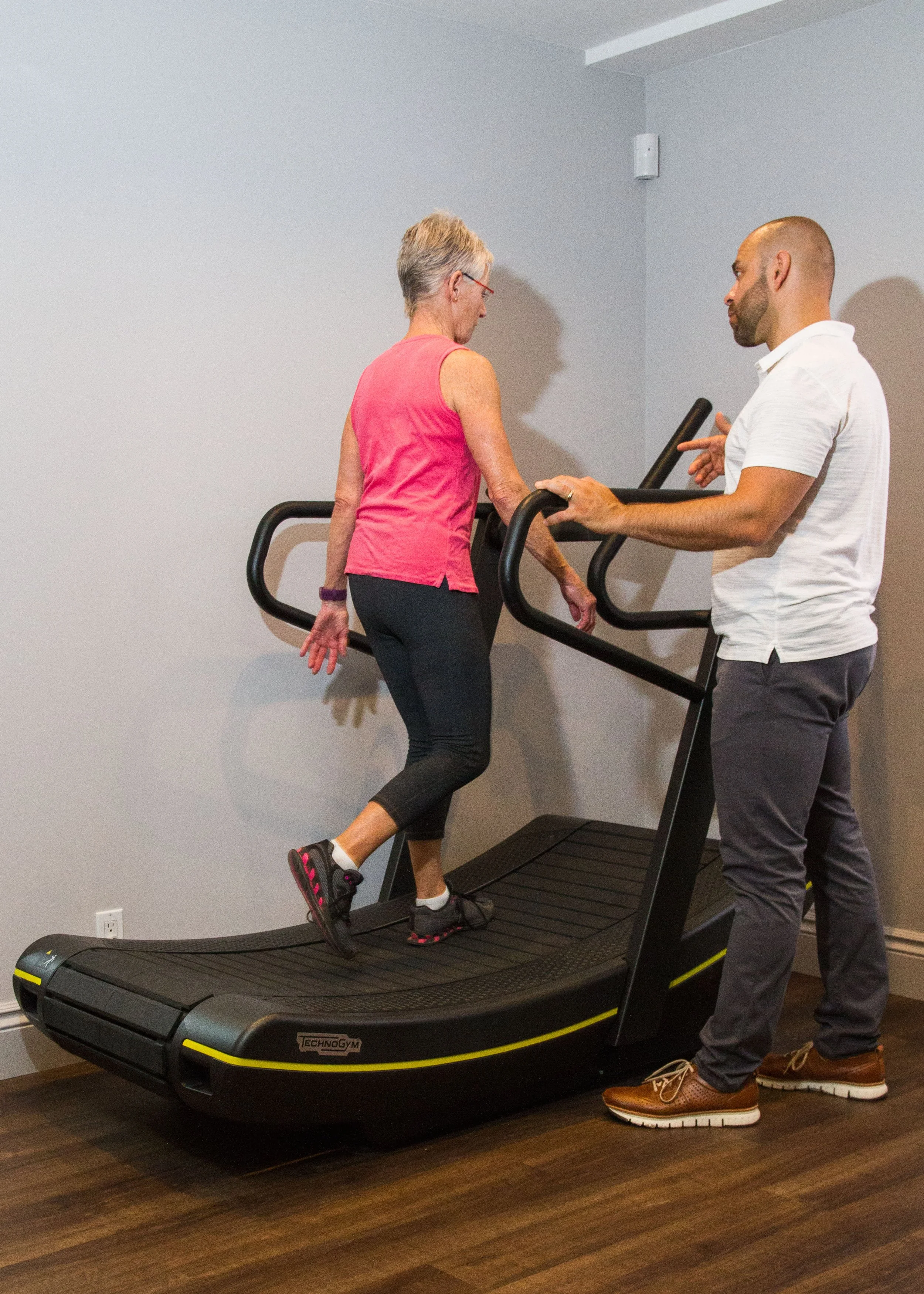
Structured corrective and strength-based rehabilitation
Technology supports recovery but only when applied with clinical reasoning and progression.
Rehabilitation for People Who Want Results
Injury rehabilitation at ONE80 Health is best suited for individuals who want to understand their injury, participate in their recovery, and build resilience beyond pain relief.
This includes:
Active individuals and athletes
Professionals whose work demands physical reliability
Post-surgical patients seeking guided return to function
Individuals frustrated by recurring injuries or stalled recovery
If your goal is quick fixes or passive treatment alone, this is not the right fit. If your goal is long-term capacity, we take that seriously.
Start Rehabilitation the Right Way
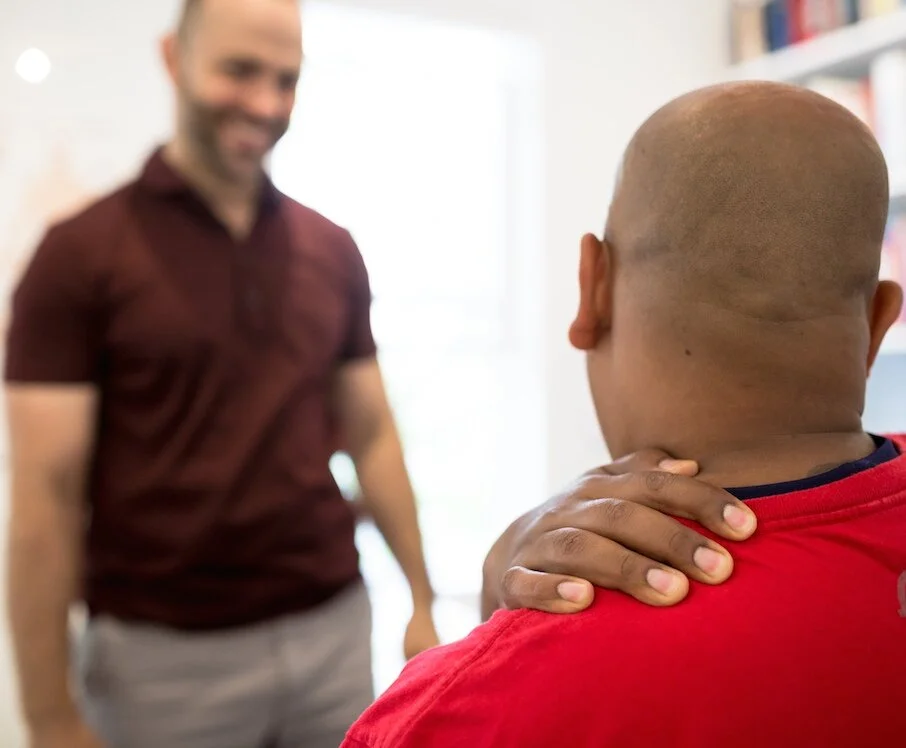
Recovering from injury requires clarity, structure, and accountability. We start by understanding where you are, what your body can tolerate now, and what it will take to move forward safely.
Book an initial injury rehabilitation assessment to determine the most appropriate plan for your recovery and long-term health.
FAQs
-
-
-
-
Most rehabilitation programs include both. Hands-on care can reduce pain and improve mobility, but active rehabilitation is essential for restoring strength, coordination, and long-term resilience. Exercise selection and progression are individualized and adjusted as your capacity improves.
-
Yes. Many patients seek injury rehabilitation after previous care has stalled or provided only temporary relief. A fresh assessment, different clinical reasoning, and a more structured progression often reveal contributing factors that were previously overlooked.