
Neuro-Anatomical Acupuncture
Precision-Based Acupuncture Rooted in Neuroanatomy and Clinical Assessment
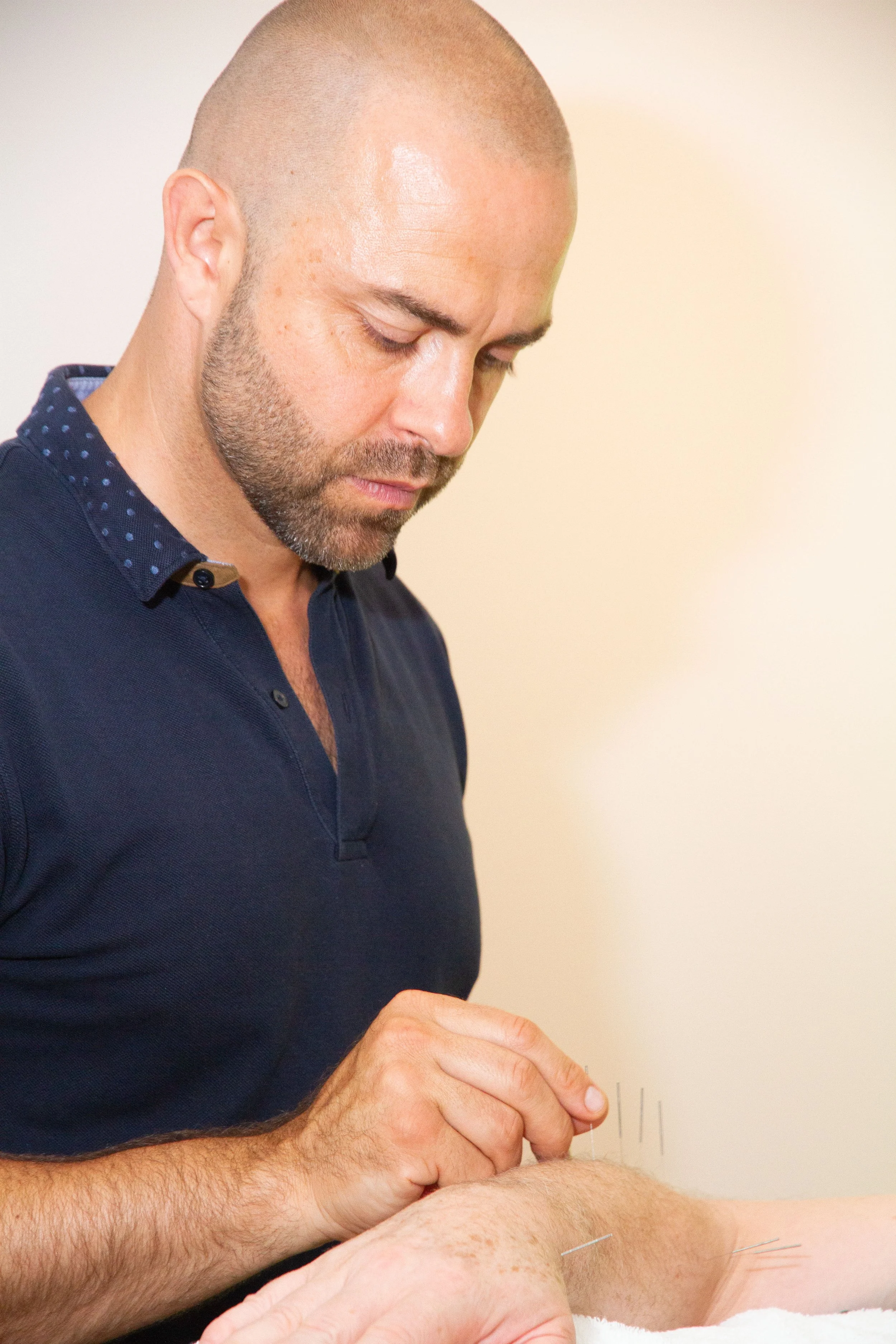
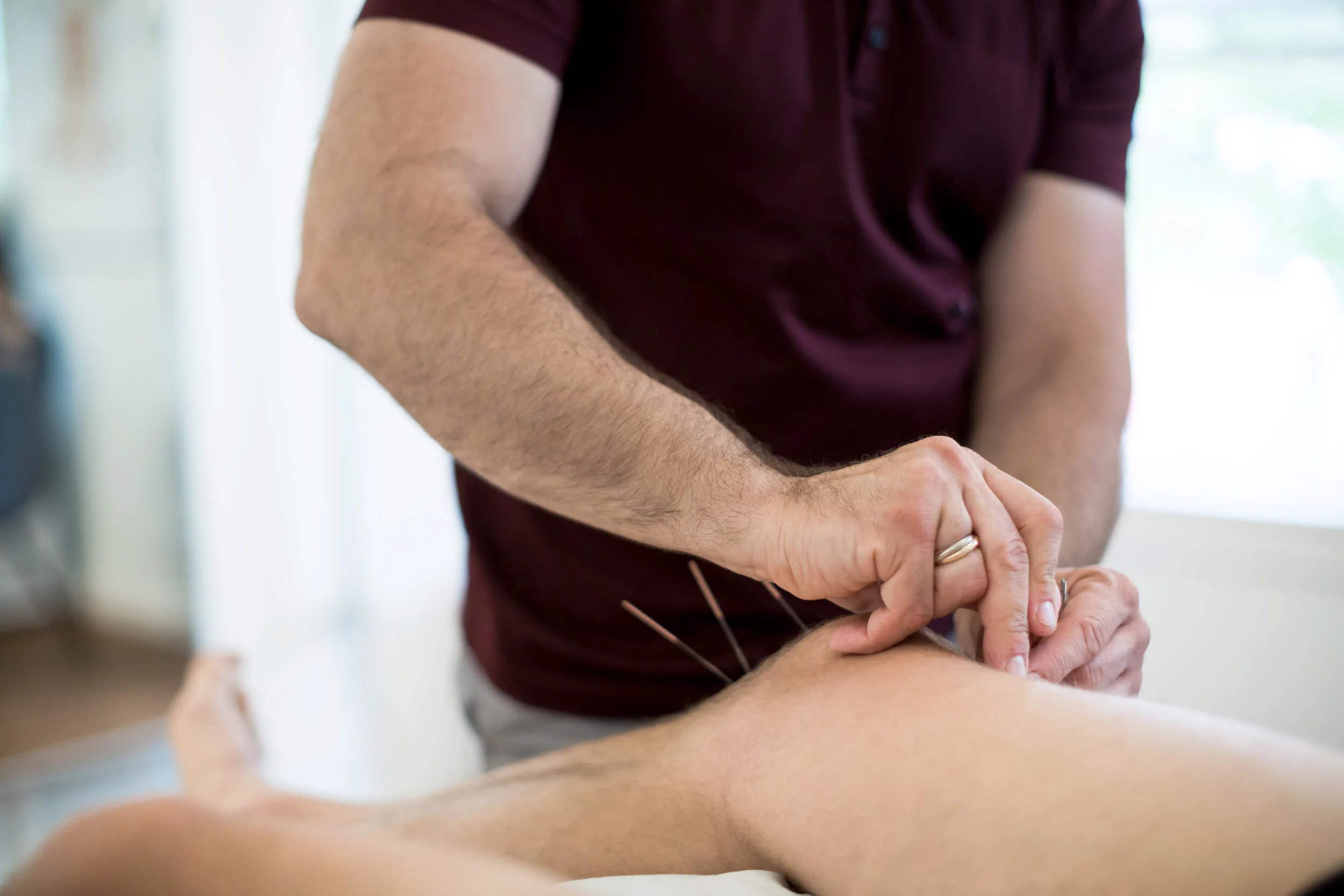
Neuro-Anatomical Acupuncture is a modern, evidence-informed approach to acupuncture that is grounded in detailed knowledge of human anatomy, neurology, and biomechanics. Rather than relying on traditional meridian maps or symptom-based point selection, this approach uses precise needle placement to influence the nervous system, muscular tone, and pain processing pathways.
At ONE80 Health, Neuro-Anatomical Acupuncture is never delivered in isolation. It is integrated into a broader clinical strategy designed to improve regulation, restore function, and support long-term resilience of the nervous and musculoskeletal systems.
How Neuro-Anatomical Acupuncture Works
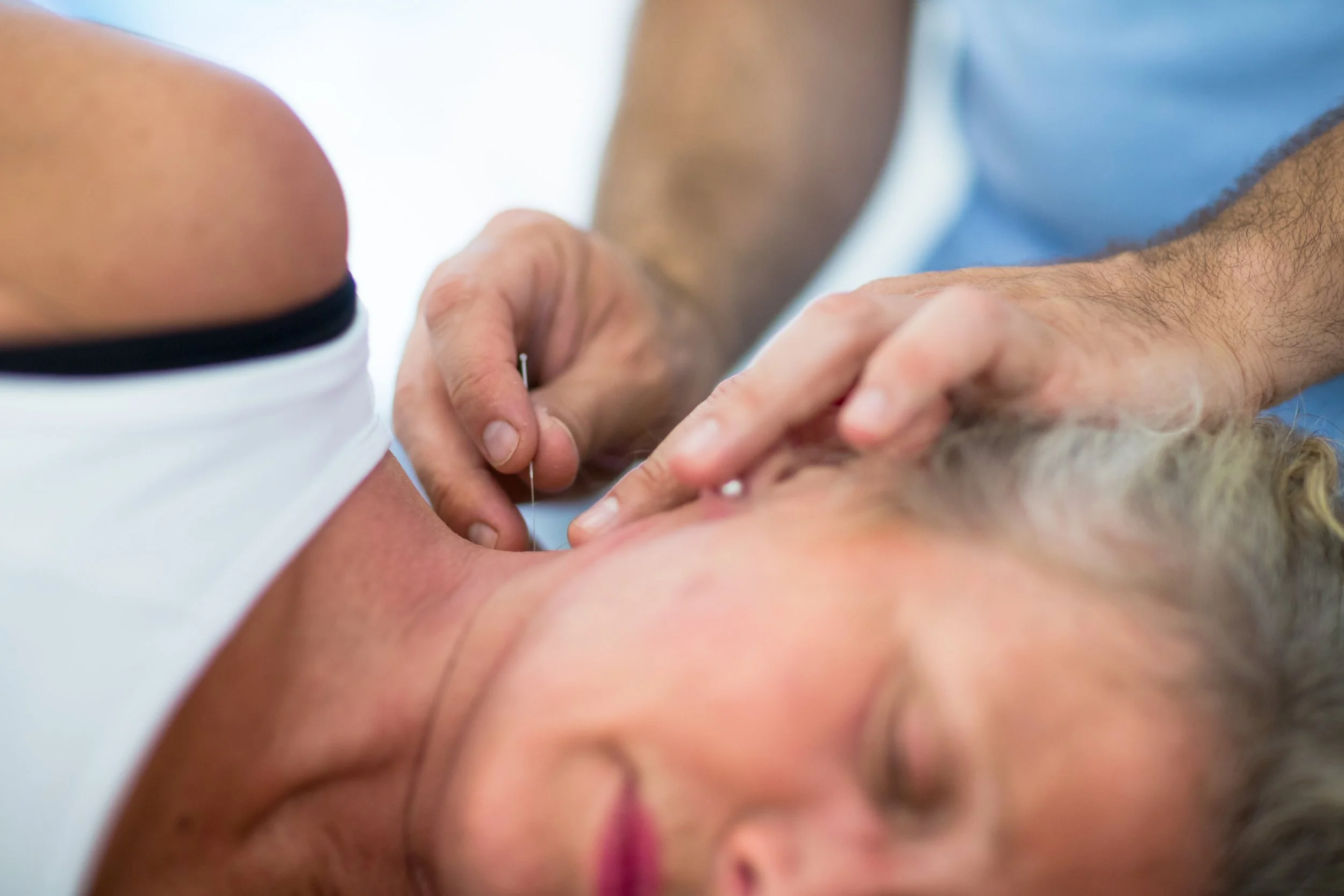
This approach uses targeted needling of specific anatomical structures including peripheral nerves, spinal segmental levels, motor points, and myofascial interfaces to influence how the nervous system processes pain, tension, and movement.
Precise needle input can help:
Modulate sensory signals entering the spinal cord
Reduce excessive neural excitability and protective muscle guarding
Improve local circulation and tissue oxygenation
Support more efficient motor control and movement patterns
By influencing both local tissue behaviour and central nervous system processing, Neuro-Anatomical Acupuncture helps shift the body out of persistent protective states and into a more adaptable, responsive mode.
What Neuro-Anatomical Acupuncture Is Used For
Neuro-Anatomical Acupuncture may be appropriate for individuals dealing with conditions where the nervous system plays a key role in symptom persistence or recurrence, including:
Acute and chronic musculoskeletal pain
Neck pain, back pain, and shoulder dysfunction
Headaches and cervicogenic headache patterns
Post-injury or post-surgical pain sensitivity
Recurrent muscle tightness or guarding
Stress-related tension and nervous system dysregulation
Rather than chasing symptoms, treatment selection is based on clinical findings from your assessment and how your nervous system is responding to load, stress, and movement.
Integrated With Assessment-Driven Care
Neuro-Anatomical Acupuncture at ONE80 Health is guided by a comprehensive clinical assessment. This includes evaluation of movement, posture, neurological function, and tissue behaviour to determine whether acupuncture is appropriate and how it should be applied.
It is commonly integrated with:
Manual and soft-tissue therapies
Targeted rehabilitation and exercise programming
Neuromodulation and electrotherapeutic modalities
This ensures that acupuncture supports the broader goal of restoring function rather than providing temporary symptom relief alone.
What to Expect During a Session
Treatment begins with a clear explanation of why specific areas are being addressed and how they relate to your symptoms and assessment findings. Fine, sterile needles are placed with precision and intention, typically remaining in place for a short period while your nervous system responds to the stimulus.
Most patients describe the sensation as minimal, with possible feelings of heaviness, warmth, or subtle muscle release. Throughout the session, care is taken to ensure comfort, safety, and appropriate dosing based on your response.
Each session is adjusted over time as your nervous system and tissue behaviour change.
Who This Approach Is Best Suited For
Neuro-Anatomical Acupuncture is well-suited for individuals who:
Prefer a logical, anatomy-based approach to care
Want clear explanations of why treatments are being used
Have persistent or recurrent symptoms that have not fully resolved
Are looking for care that supports long-term regulation and resilience
This approach may not be appropriate for those seeking purely traditional or energetic acupuncture models, or for individuals expecting passive, one-off treatment without participation in a broader care plan.
Start With a Comprehensive Assessment
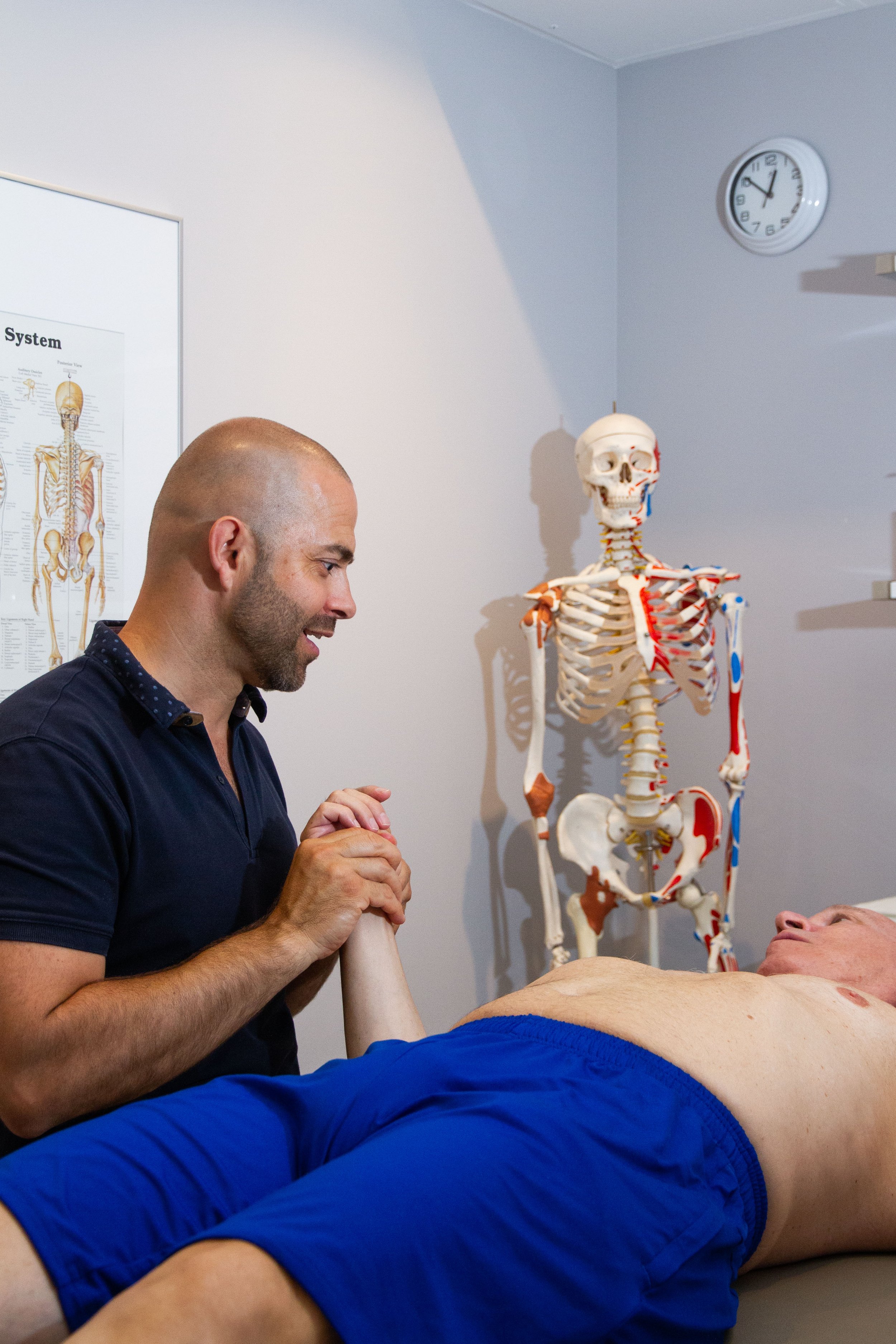
The most important step is determining whether Neuro-Anatomical Acupuncture is appropriate for you. Every patient at ONE80 Health begins with a thorough assessment to identify the underlying drivers of pain, dysfunction, or nervous system overload.
From there, we develop a targeted, individualized care plan that may include Neuro-Anatomical Acupuncture as part of a complete strategy to help you move, perform, and recover more effectively.
FAQS
-
Neuro-Anatomical Acupuncture offers numerous benefits by integrating traditional acupuncture techniques with modern medical practices. It is highly effective in alleviating chronic pain, reducing the frequency and severity of migraines, and managing stress and anxiety. Acupuncture enhances overall wellness by improving energy flow and promoting balance within the body. It can also aid in digestive issues and improve recovery times when used as a complementary therapy alongside other treatments like physical therapy or massage. Additionally, medical acupuncture performed by dual-trained practitioners ensures a comprehensive approach to treating a wide range of health conditions, contributing to improved quality of life and holistic care.
-
While individual needs vary, patients typically begin to notice improvements after 6 to 12 sessions. Each session is tailored to address specific conditions such as lower back pain, osteoarthritis, and fibromyalgia. Our skilled practitioners monitor progress closely, ensuring adjustments to the treatment plan for optimal results.
-
No. Neuro-Anatomical Acupuncture is based on modern anatomy, neurophysiology, and clinical assessment rather than traditional meridian systems. Point selection is guided by nervous system anatomy, tissue behaviour, and functional findings identified during your evaluation. The goal is to influence how the nervous system processes pain, tension, and movement—not to treat symptoms through energetic models.
-
Most patients report minimal discomfort. The needles used are very fine, and placement is precise and intentional. Sensations may include mild pressure, heaviness, warmth, or a subtle release in the treated area. Treatment is adjusted based on individual sensitivity and response, and your comfort is monitored throughout the session.
-
At ONE80 Health, Neuro-Anatomical Acupuncture is typically combined with other evidence-informed therapies such as manual treatment, rehabilitation exercises, and neuromodulation. This integrated approach supports more durable outcomes by addressing both nervous system regulation and physical capacity rather than relying on a single intervention.