Sudden Low Back Pain: What Helps, What to Avoid, and How to Support Recovery
Sudden low back pain is one of the most common reasons people seek care, and one of the most mismanaged in those critical first few days.
One day you are moving normally. The next, getting out of bed feels like a project. For most people, the pain itself is not the only problem. It is not knowing what to do first, what to avoid, or whether they are making things worse.
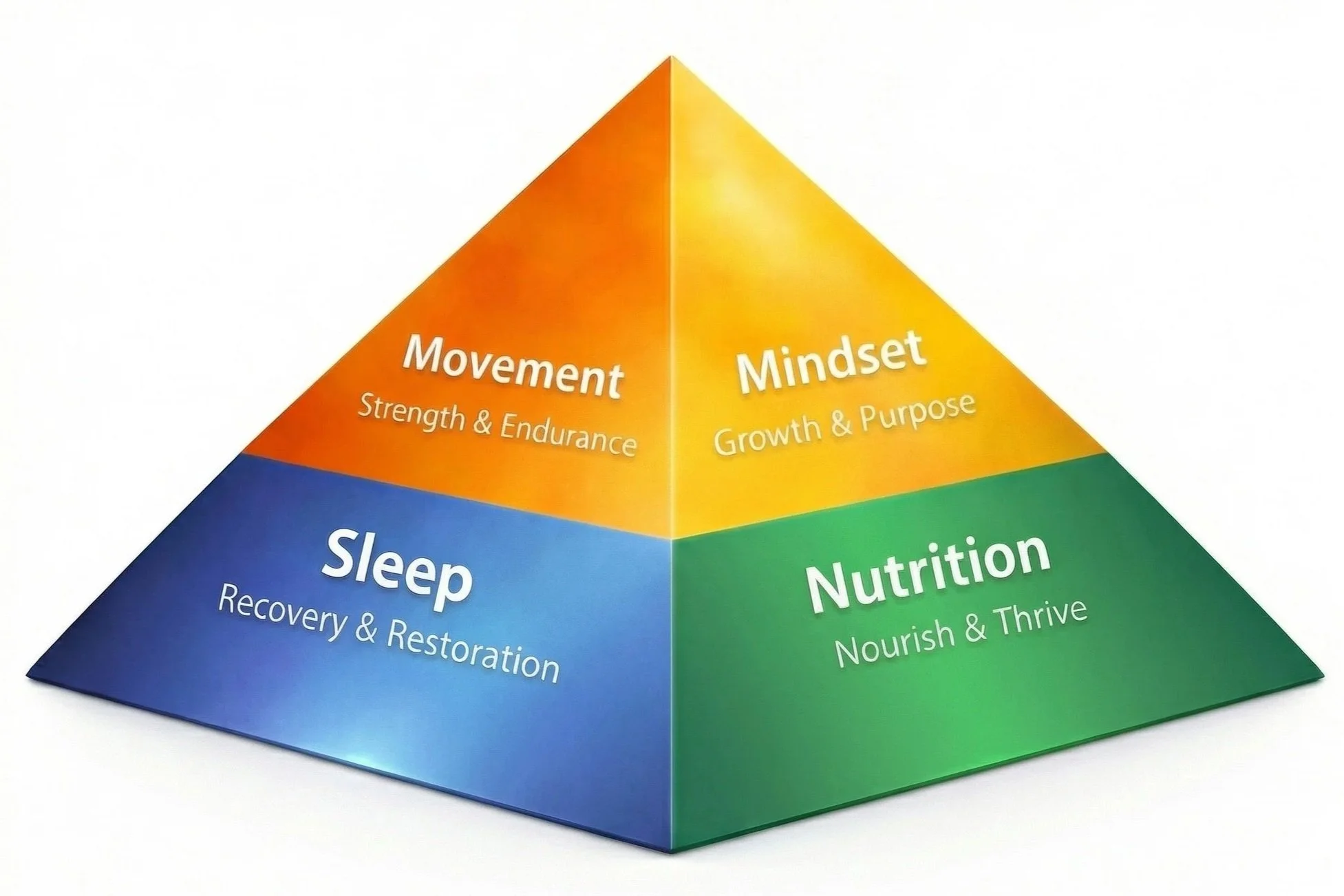
This guide covers what actually helps in the early days, organized around the Four Pillars of Health that guide our clinical approach at ONE80: Movement, Sleep, Nutrition, and Mindset.
Why Sudden Low Back Pain Happens
The lumbar spine is a load-bearing system built from joints, discs, muscles, ligaments, fascia, and nerves. It is designed to be both strong and adaptable, but because it manages load continuously throughout the day, it is also vulnerable when demands exceed capacity.
Acute flare-ups commonly occur when:
- Load exceeds tolerance, either from a single event or cumulative strain
- Recovery is reduced, through poor sleep, chronic stress, or under-fueling
- Movement patterns become protective, where guarding leads to stiffness and more sensitivity
Sometimes a specific structure is irritated: a disc, a facet joint, a muscle. In other cases the nervous system itself becomes more sensitized, and pain feels louder than the actual tissue state warrants. Often it is a combination of both.
Understanding this matters, because "protect at all costs" is rarely the right response. The body usually recovers better with guided movement, not shutdown.
Common Low Back Pain Patterns
A proper assessment is needed for diagnosis. But most cases fit recognizable patterns, and understanding your pattern helps you avoid one of the most common mistakes: doing a popular exercise that is wrong for your presentation.
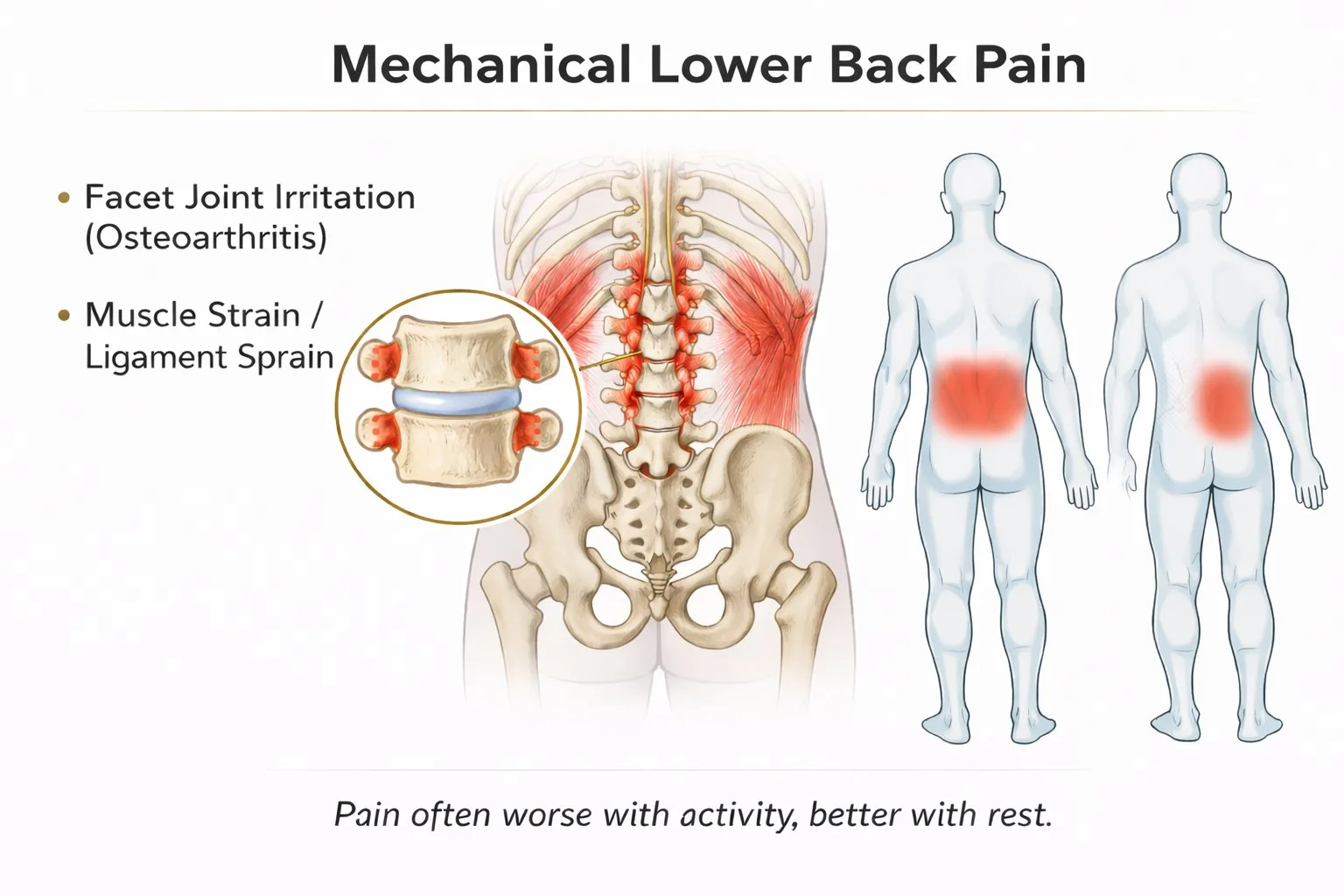
- Localized to the low back or buttock area
- Position- or load-dependent (certain movements ease it, others aggravate it)
- Typically improves gradually with appropriate activity
- Often worse with sitting or bending forward
- May be sensitive to coughing or sneezing (increased disc pressure)
- May include referred symptoms into the leg
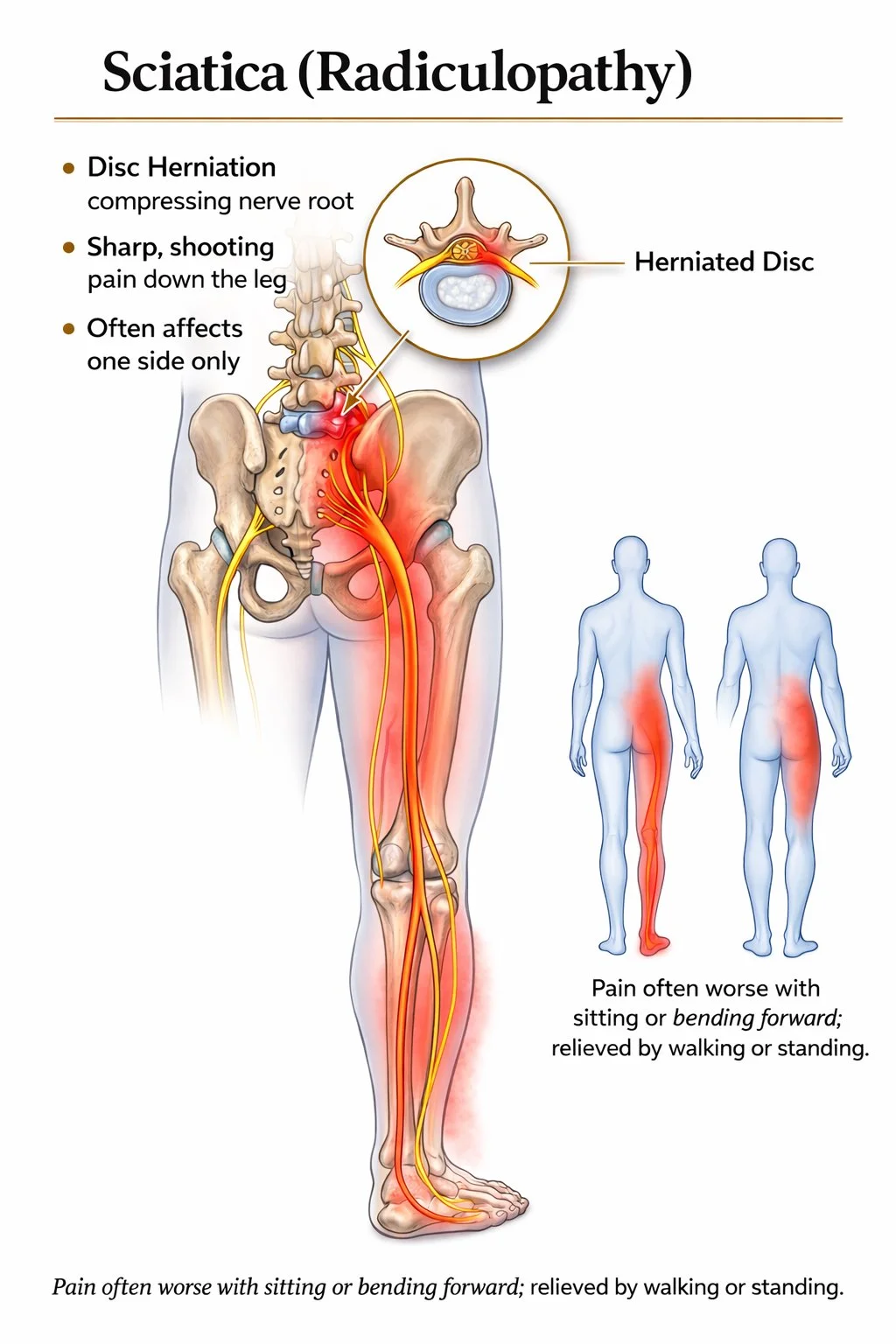
- Pain traveling into the buttock and down the leg
- Burning, electric, or sharp sensations
- Numbness or tingling in the leg or foot
- Weakness warrants prompt assessment
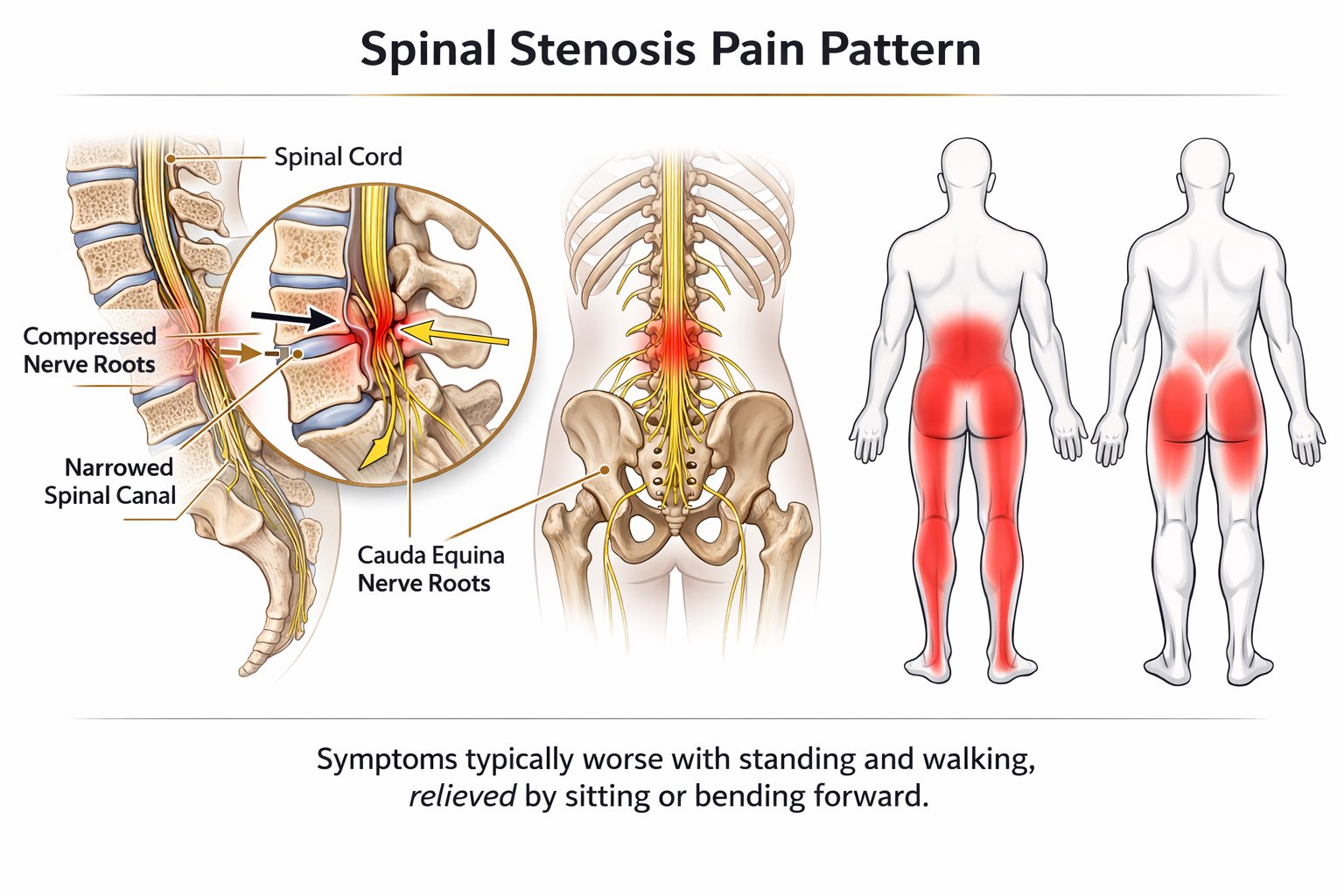
- More common with age-related changes in the spine
- Worse with standing or walking; relieved by sitting or bending forward
- Heaviness or fatigue in the legs with sustained activity
These patterns overlap and can co-exist. If you are unsure, assessment clarifies which approach fits your situation.
What Helps vs. What Often Makes It Worse
- Prolonged bed rest
- Repeatedly testing painful movements
- Aggressive stretching into pain
- Heavy lifting or twisting too soon
- Waiting weeks with no improvement
- Gentle walking and regular position changes
- Spine-sparing stability work
- Adequate hydration and protein intake
- Supportive sleep positioning
- Slow breathing to calm the nervous system
Movement: Stay Active, Within Tolerance
One of the most damaging things you can do after sudden back pain is go to bed and stay there. Prolonged rest increases stiffness, amplifies pain sensitivity, and slows recovery. The goal is not to push through pain, it is to stay gently active within comfortable limits.
Movement maintains circulation, reduces protective guarding, and signals the nervous system that it is safe to move.
- Short walks, taken often
- Frequent position changes; avoid staying in one position too long
- Small, comfortable "movement snacks" throughout the day
- Staying in bed for more than a day
- Forcing stretches or exercises into pain
- Heavy lifting or twisting before symptoms settle
Foundational Stability Exercises (McGill-Inspired)
These three exercises target the deep spinal stabilizers with minimal load. They are done as short holds, not to fatigue. Stop if symptoms worsen.
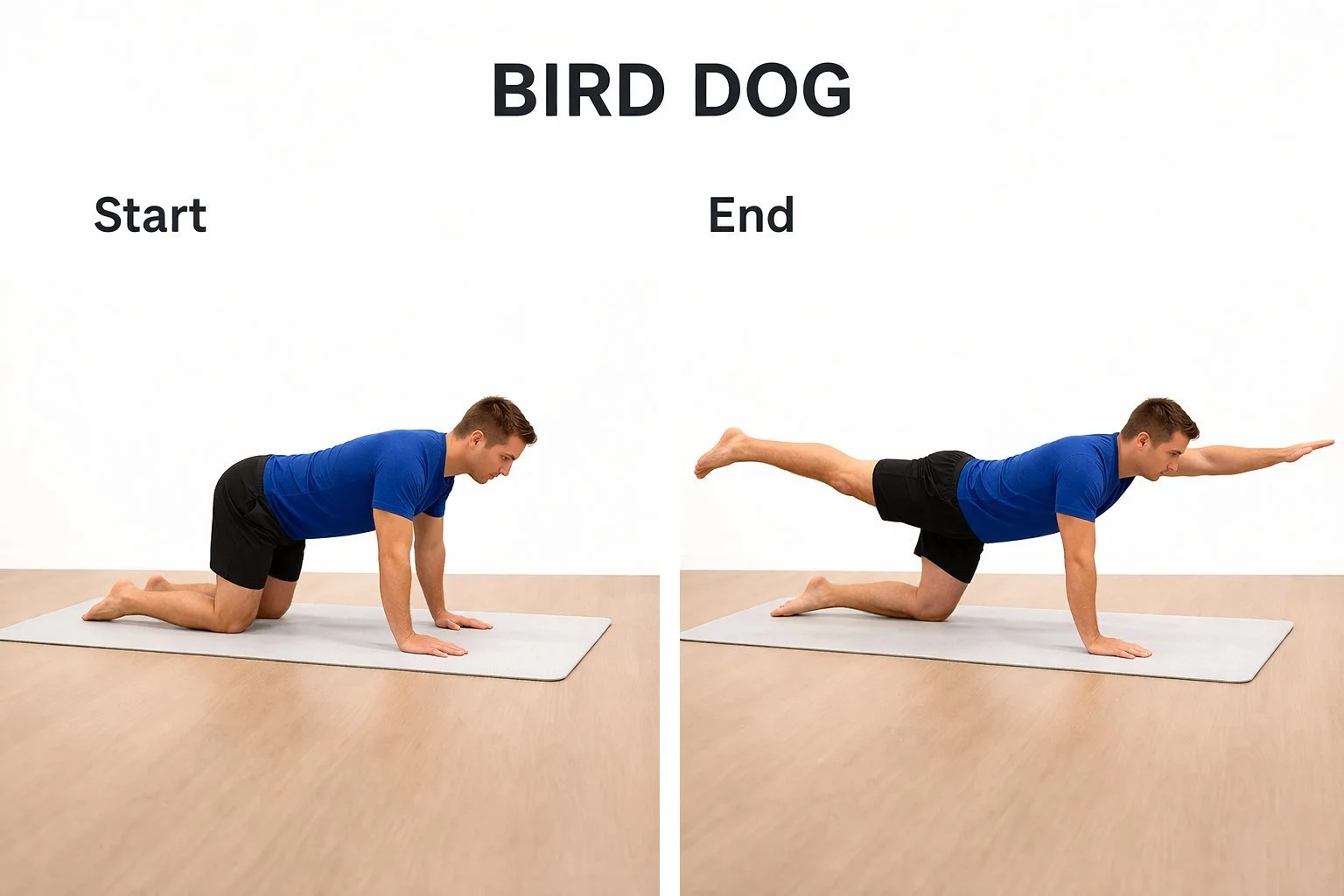
- From hands and knees, extend opposite arm and leg
- Hold 5 to 8 seconds, 4 to 5 reps per side
- Keep the spine neutral throughout
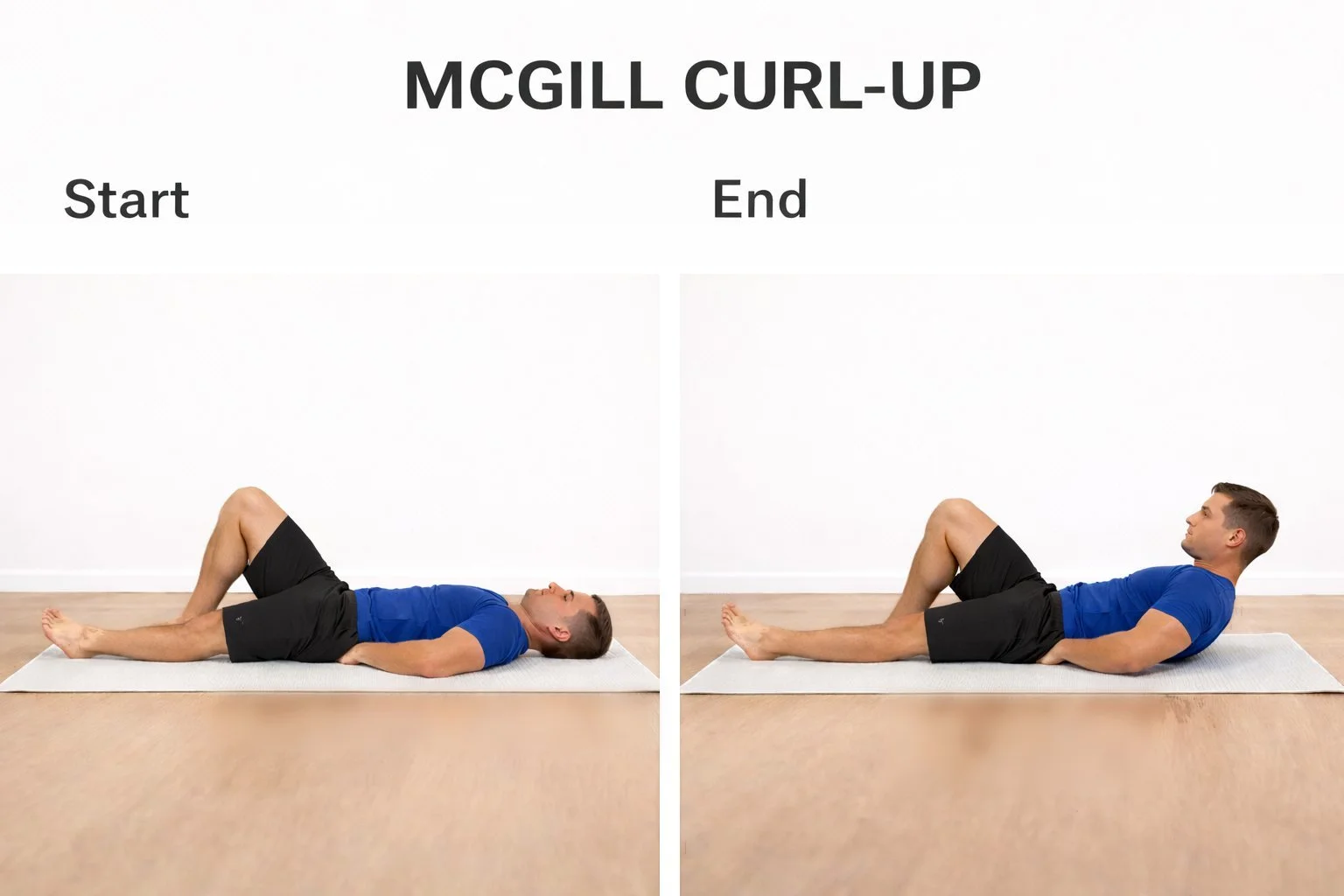
- On your back, one knee bent, hands under the lower back
- Lift only the head and shoulders slightly, hold 5 to 10 seconds
- 5 reps; do not perform a full sit-up
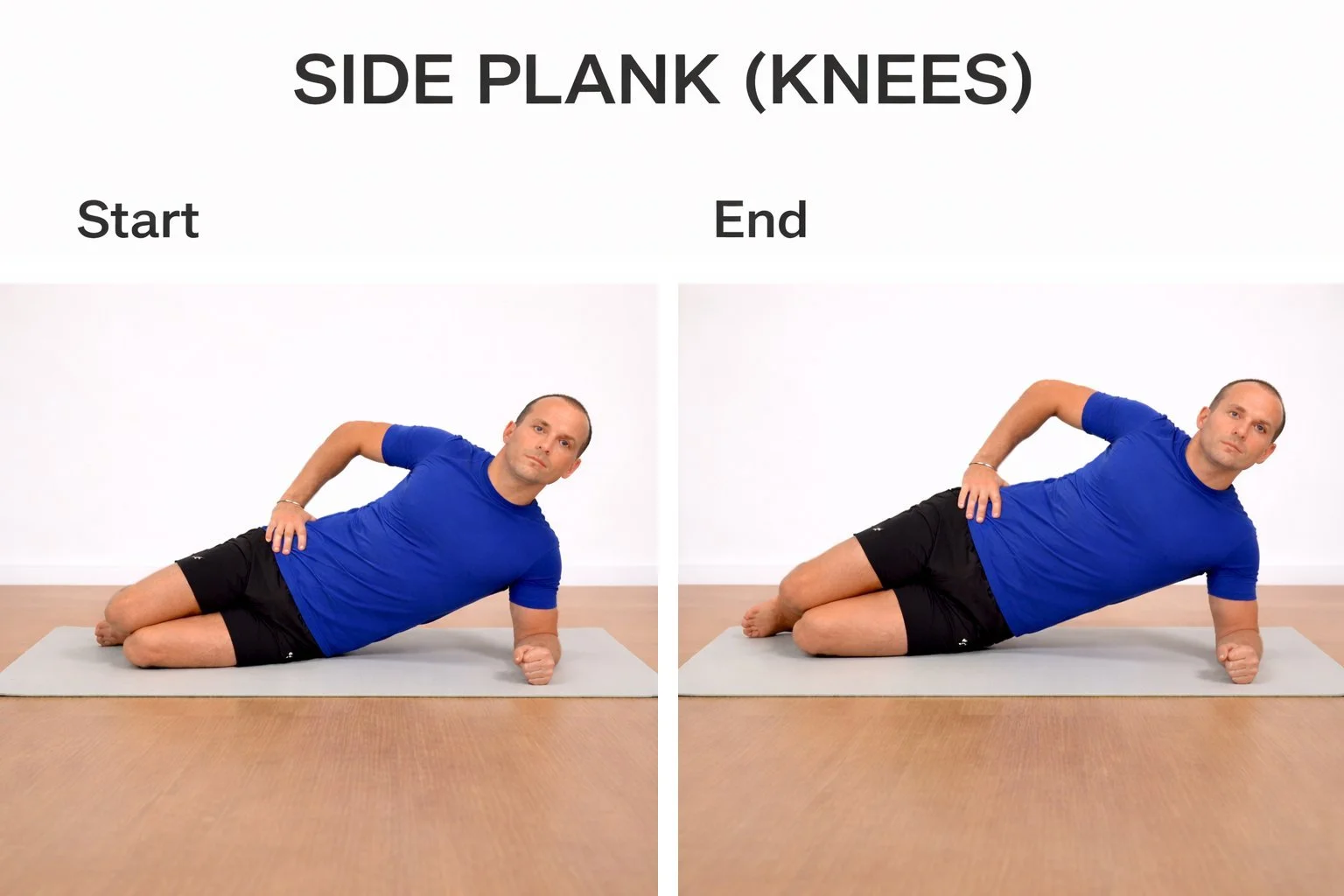
- Knees bent, propped on the forearm
- Hold 5 to 10 seconds, 3 to 5 reps per side
- Progress to straight-leg only when comfortable
These should feel steady and controlled, never painful or fatiguing. Tip: aim for quality of position, not duration.
When Extension May Help: The Prone Press-Up
Some back pain patterns feel significantly worse with sitting or bending forward. In those cases, a gentle extension movement can provide relief. Not always, but often enough to be worth trying.
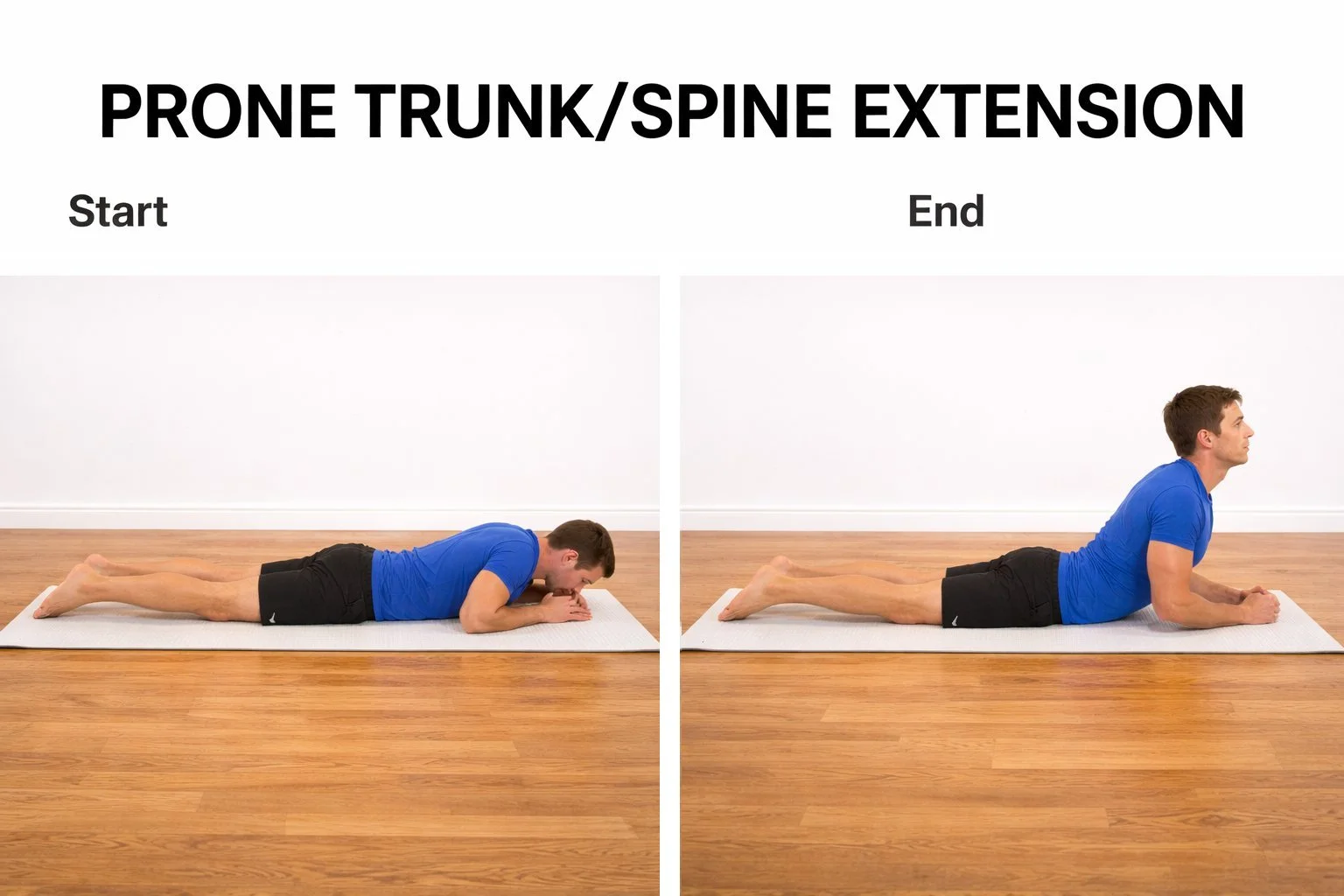
- Lie on your stomach on a firm surface
- Place your hands under your shoulders
- Slowly press your chest upward while the hips stay relaxed and on the floor
- Move only into a comfortable range; no forcing
- Repeat 5 to 8 times
If symptoms spread further down the leg or worsen, stop and get assessed. Not every pattern responds to extension.
Sleep: Positioning Based on Your Pattern
Pain frequently feels worse at night during a flare-up. Disrupted sleep raises pain sensitivity the next day, creating a cycle that prolongs recovery. Positioning can reduce tension in the low back and make rest more accessible.

If Sitting or Bending Forward Increases Pain
(Often associated with disc-related patterns)
- Try lying on your back with a pillow under your knees
- Or briefly lying on your stomach before sleep, if that feels comfortable
If Standing or Walking Increases Pain
(Often associated with stenosis-type patterns)
- Try side sleeping with a pillow between your knees
- Allow a slight bend at the hips and knees
These are acute-phase comfort strategies, not permanent sleep habits. Once the flare settles, return to your normal position. If sleep is consistently disrupted or symptoms persist, assessment helps target the right approach.
Nutrition: Fuel Recovery, Do Not Neglect It
When pain arrives, appetite and routine often drop off. But this is exactly when the body needs consistent energy and nutrients to adapt and repair. Under-fueling slows recovery and may amplify pain sensitivity.

Foundation Habits
- Stay well hydrated throughout the day (urine should be pale yellow)
- Eat regular meals; do not skip, especially protein
- Include a quality protein source at each meal
- Favour whole, minimally processed foods during the flare
Evidence-Informed Nutrients (Optional, Not Essential)
These are not required for recovery, but some patients find them helpful during a flare-up. The amounts below reflect ranges used in the research literature and common supplement labelling. Always check with a regulated health professional if you take medications or have existing conditions.
- Supports inflammation regulation
- Research commonly references roughly 1.35 to 2.7 g/day of combined EPA and DHA in chronic pain literature
- Caution: consult a clinician if you take blood thinners or are planning surgery
- Supports muscle relaxation and sleep quality
- Clinical trials show benefit for insomnia in certain populations
- Caution: check with a clinician if you have kidney disease or take certain medications
- Supports the inflammatory response
- RCT use in musculoskeletal conditions is typically 500 mg twice daily of standardized extract
- Caution: with gallbladder issues, reflux, or antiplatelet medications, consult a clinician first
- Connective tissue support; research suggests 5 to 10 g/day of collagen with vitamin C
- Most effective when paired with progressive loading (rehab)
Supplements are individualized. If you are pregnant, breastfeeding, on medications, or have kidney or gallbladder conditions, consult a qualified clinician before starting any supplement.
Mindset: Reduce Threat, Reduce Tension
Sudden pain almost always triggers fear: Is this going to get worse? Did I do something to cause this?
Fear increases guarding, avoidance, and pain amplification. It leads many people to stop moving, which, as we have covered, typically makes things worse. Understanding a few key points can change the trajectory of recovery significantly.
Acute low back pain is not always a sign of serious damage. In many cases it reflects how the body is responding to accumulated stress, fatigue, or overload, not a structural failure.
Pain is a protective signal, not a damage report. The nervous system can amplify pain well beyond what the tissue state warrants, especially under stress or fear.
3-Minute Breathing Reset
Slow breathing reduces sympathetic nervous system drive, which directly reduces protective muscle tension. This is not psychological, it is physiology.
- Inhale through your nose for 4 seconds
- Slowly exhale for 6 to 8 seconds
- Repeat for 10 to 15 breaths
Calm understanding increases movement confidence. Movement confidence accelerates recovery.
When to Seek Assessment
Most episodes of acute low back pain improve within days to weeks when managed well. However, waiting too long without improvement is a common reason recovery stalls.
General guideline: if symptoms are not clearly improving within 7 to 10 days, get assessed. The earlier a clear pattern is identified, the faster the right approach can be applied.
- Symptoms are worsening rather than stabilizing
- Pain is radiating with progressing numbness or weakness in the leg
- Significant trauma occurred (fall, motor vehicle accident)
- Bowel or bladder changes have occurred; this requires urgent assessment
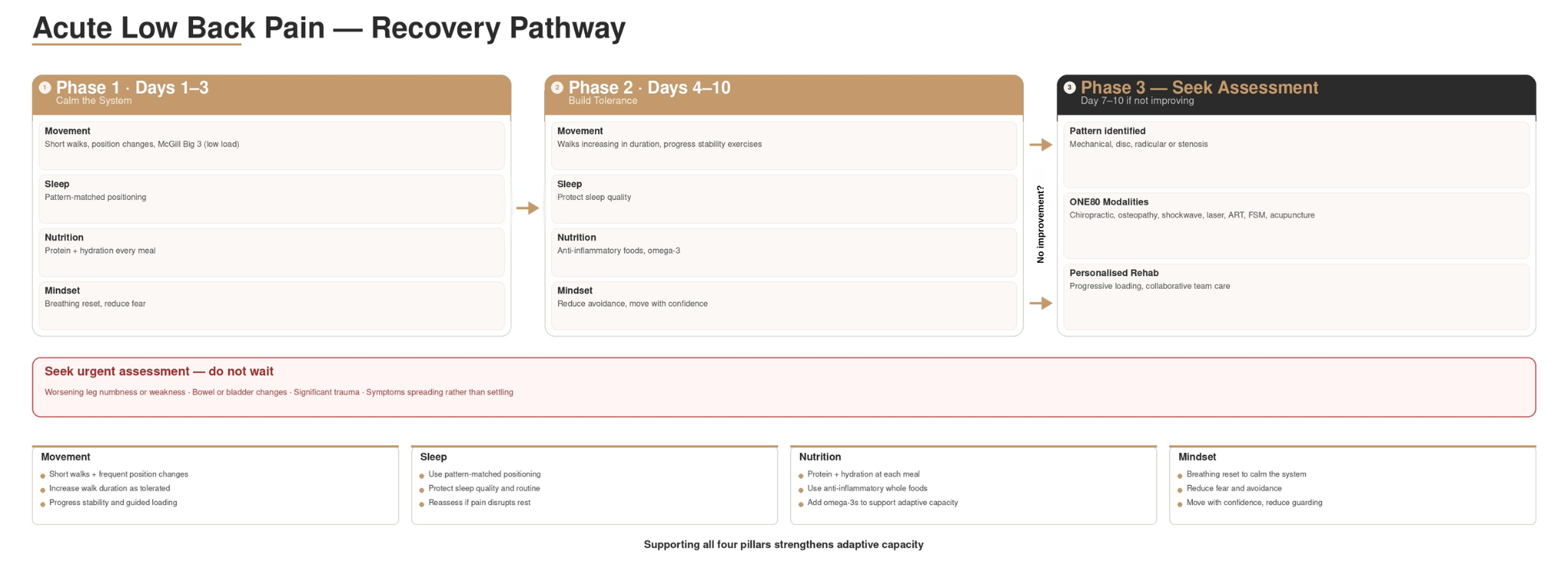
Summary: The Four Pillars in Practice
- Movement: Short walks, frequent position changes, McGill-style stability work, within tolerance
- Sleep: Pattern-matched positioning strategies to reduce tension and protect sleep quality
- Nutrition: Protein, hydration, and whole foods as the foundation; optional evidence-informed nutrients for flare support
- Mindset: Reduce fear, calm the nervous system, breathe and move within tolerance
Supporting these pillars strengthens resilience and adaptive capacity, the body's fundamental ability to respond to stress and return to balance.
Our team can assess what is driving the pain and build a plan tailored to your pattern. Same-day and next-day appointments available. Call the clinic at 647-560-4495.
Book an Assessment at ONE80FAQ
Should I rest or keep moving with sudden back pain?
In most uncomplicated cases, gentle movement helps more than prolonged rest. Rest has its place in the first 24 to 48 hours, but beyond that, staying active within comfortable limits speeds recovery and prevents stiffness from compounding pain.
Is sudden low back pain always a disc problem?
No. Many cases are mechanical or sensitivity-dominant, with no structural disc involvement. Patterns overlap, and a proper assessment, not assumptions, should guide the approach.
When should I see a chiropractor for back pain?
If symptoms are not clearly improving within 7 to 10 days, or if they are worsening, it is wise to get assessed early. If nerve symptoms (numbness, weakness, radiating pain) are progressing, seek care sooner. Bowel or bladder changes require urgent attention.
Which exercises are best for acute back pain?
It depends on the pattern. The safest early starting point for most people is low-load stability work (bird dog, curl-up, side plank) combined with walking and frequent position changes. Avoid high-intensity or pain-provocative exercises until symptoms settle and a pattern is identified.
How long does acute low back pain take to recover?
Many episodes improve significantly within a few days to two weeks when managed appropriately. The quality of what you do in the first week matters more than most people realize.